Science-based innovations for a changing world

Plants, their ecosystems, the soils in which they grow, and their associated microbes are foundational to our health and the health of our planet

In the face of a changing climate and growing pressure on natural and agricultural ecosystems, our research addresses four critical grand challenges

Explore how our faculty, staff and students are actively tackling these four grand challenges facing plant science today.

Sustainable crop production and food security
Grand Challenge Research: Sustainable crop production and food security
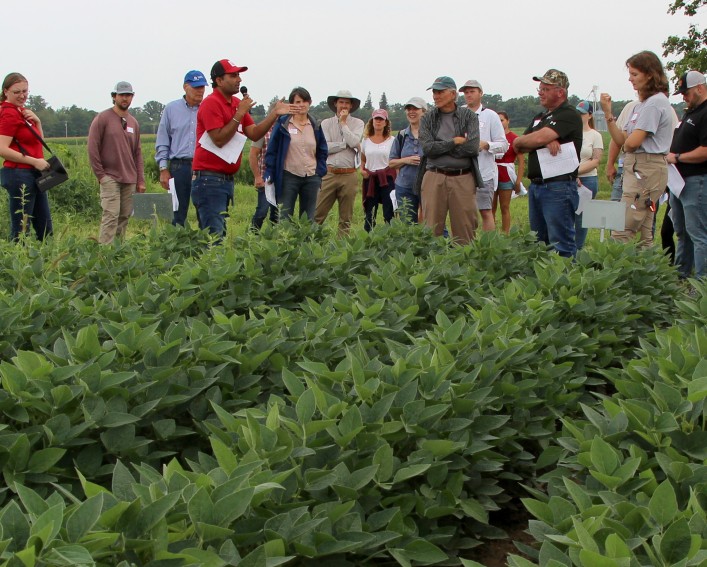
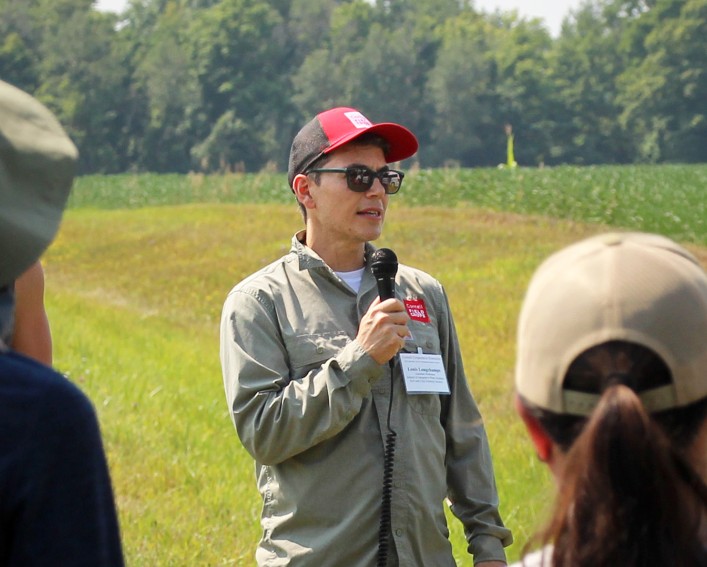
Putting Farmers at the Center of Innovation

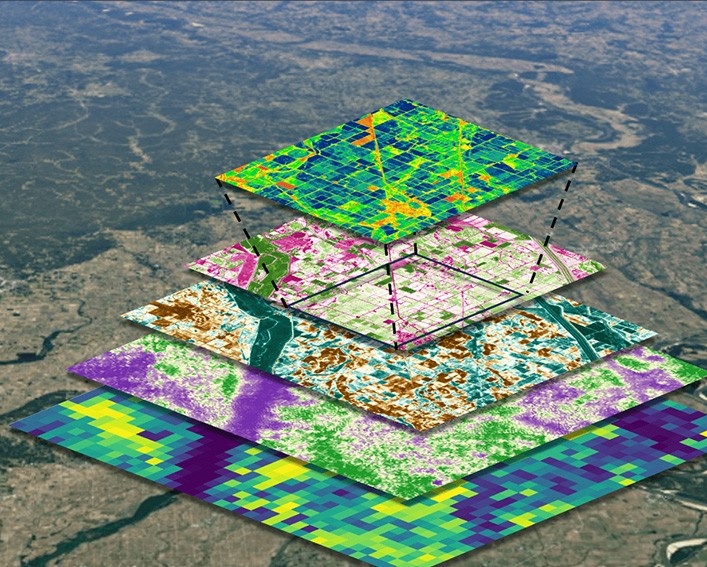
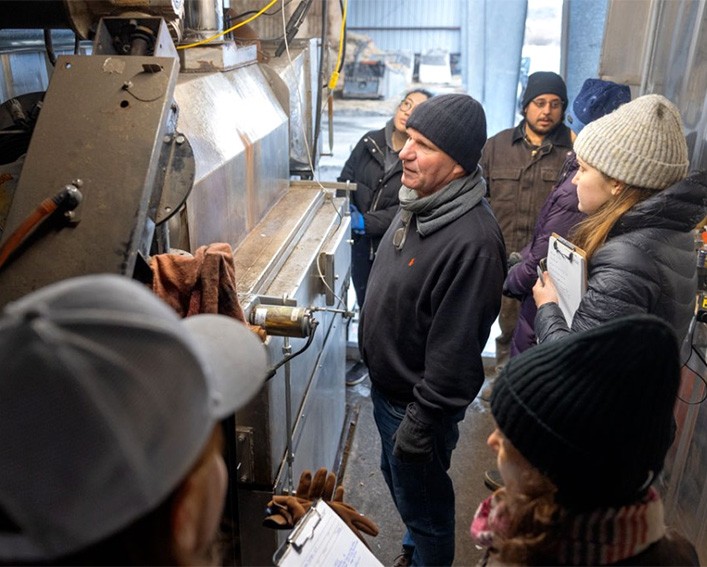
When New York farmers test new practices on their own fields, Louis Longchamps and his team provide the scientific tools to turn those experiments into actionable knowledge. Through Cornell’s Farmers DataLab, Longchamps helps growers collect, organize and analyze farm data, combining farmers’ practical expertise with advanced technologies such as remote sensing, geographic information systems and artificial intelligence. 
 
This farmer-led, scientist-supported approach strengthens decision-making, supports profitable and environmentally responsible farming, and helps innovations spread more effectively across agricultural communities. 
 
An assistant professor of digital agronomy in Cornell’s School of Integrative Plant Science, Longchamps focuses on precision agriculture and on-farm experimentation, developing tools that improve input efficiency, reduce environmental impacts and build more resilient farming systems. But his work reflects a broader vision: empowering farmers to lead agricultural innovation while ensuring research addresses real-world needs.

Grand Challenge Research: Sustainable crop production and food security
Staying ahead of superweeds

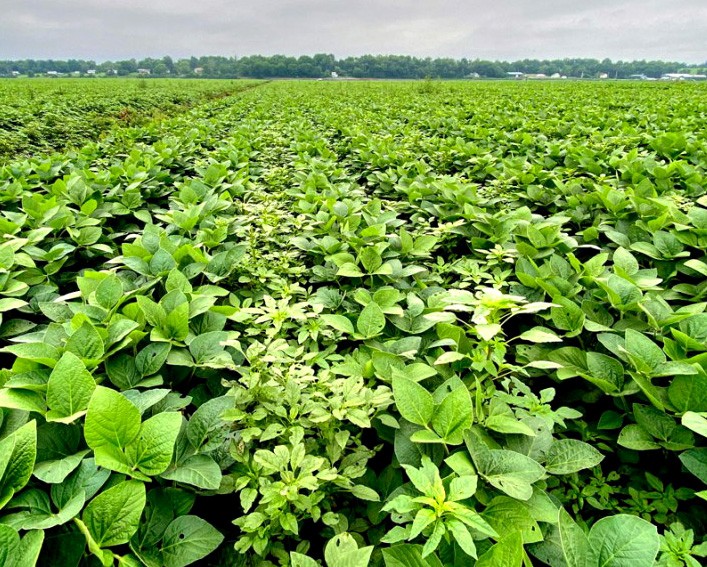
As herbicide-resistant weeds spread into New York, threatening crop yields and increasing production costs, Cornell weed scientist Vipan Kumar is helping farmers stay ahead of the problem. His research tracks emerging resistant species such as waterhemp, Palmer amaranth and Italian ryegrass, while developing practical strategies to manage them before they become widespread
 
Rather than relying on a single solution, Kumar's program combines herbicides with cover crops, crop rotation, mechanical controls and emerging precision agriculture technologies to create more resilient farming systems. As an associate professor in Cornell's School of Integrative Plant Science, Kumar combines research on weed biology and herbicide resistance with extension efforts that help farmers adopt effective, science-based management strategies. 
 
The result is a science-based approach that helps protect crop productivity, reduce environmental impacts and support the long-term sustainability of agriculture across New York and the Northeast.

Grand Challenge Research: Sustainable crop production and food security
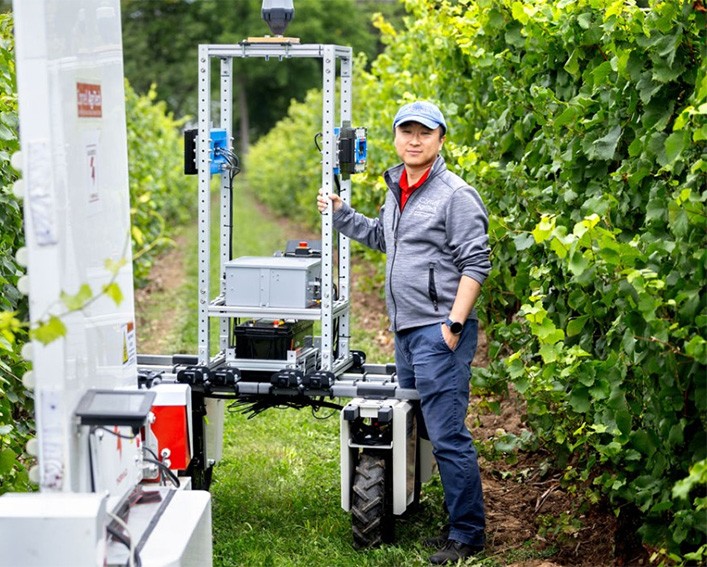
From space to farm: readying NASA satellites to help growers

The Cornell-developed “PhytoPatholoBot” detects spectral signatures of three kinds of devastating grape diseases – powdery mildew, downy mildew and grapevine leafroll virus – leading to early management of pathogens without needing farmworkers to spot them. Ultimately, data collected by such robots will help to ground-truth NASA satellite data that could one day detect plant diseases from space.

Applied roboticist Yu Jiang, assistant professor the Horticulture Section of the School of Integrative Science, developed the PhytoPatholoBot with doctoral student Ertai Liu and plant pathologist Katie Gold, with funding from NASA Acres and U.S. Department of Agriculture National Institute of Food and Agriculture  (NIFA) and VitisGen3.

Grand Challenge Research: Sustainable crop production and food security
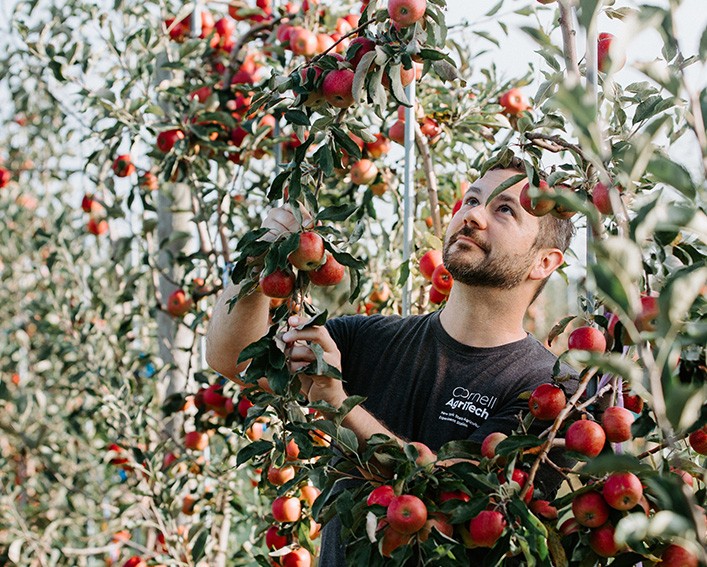
Helping fruit crops weather a changing climate

As climate change brings more erratic weather, Jason Londo is working to understand how fruit crops adapt to environmental stress and how growers can build more resilient orchards and vineyards. 
 
An associate professor in the School of Integrative Plant Science’s Horticulture Section, Londo studies the interaction between plant genetics and the environment, from winter hardiness and dormancy in apples to the remarkable ability of grapevines to thrive under different climate conditions. His research is uncovering the biological mechanisms that help plants respond to temperature swings, drought and other stresses, while identifying traits that could improve future crop performance. 
 
The findings are helping growers make informed management decisions today and may guide the development of more climate-resilient varieties of grapes, apples and other clonally propagated crops in the years ahead.

Grand Challenge Research: Sustainable crop production and food security
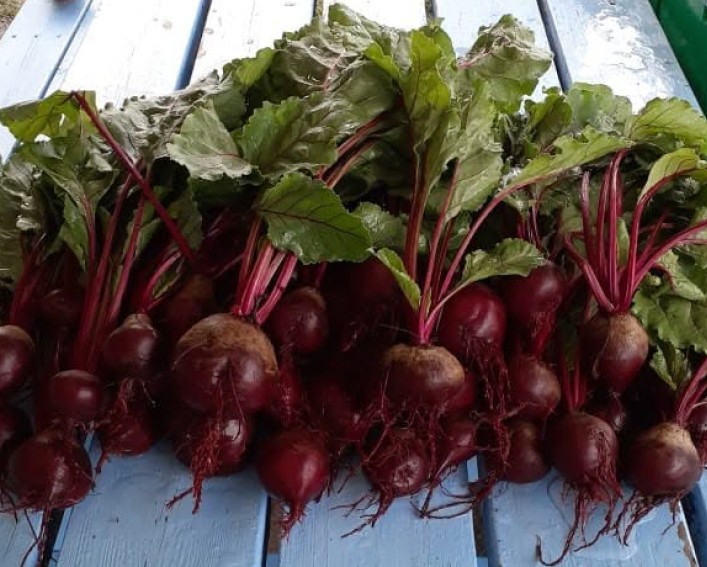
Rooted in a Cornell collaboration, New York state is tops for beets

New York is the top beet-producing state, thanks in part to grower support from Cornell researchers working with UV light to suppress the leaf spot fungus using drone images to spot-treat infected plants rather than spraying entire fields. These light treatments may be used in conventional beet production as well as in organic systems where synthetic fungicides are not permitted.

A fungus, Cercospora causes the ugly leaf spots on beets sold into the fresh market, said Sarah Pethybridge, associate professor in the School of Integrative Plant Science’s Plant Pathology and Plant-Microbe Biology Section at Cornell AgriTech. The disease can also defoliate the plants, making it more difficult for mechanical harvesters to pull the vegetables from the soil by their tops, she said.

Grand Challenge Research: Sustainable crop production and food security
New winter barley provides flurry of benefits

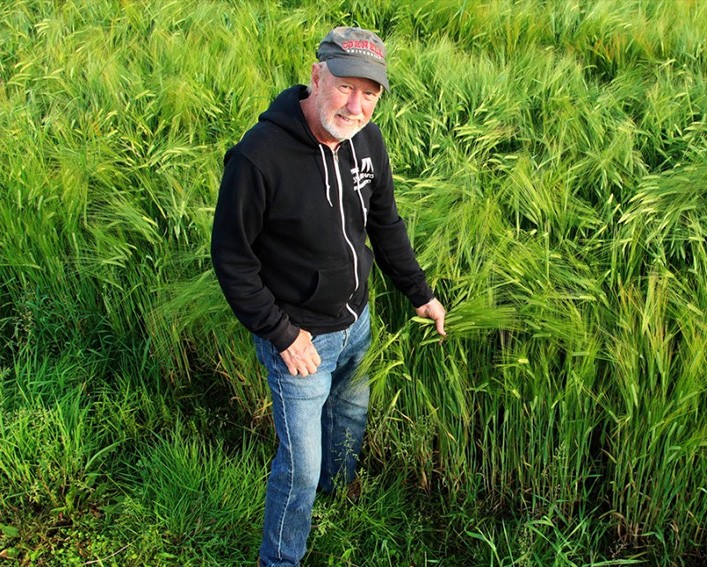
LakeEffect, the first winter malting barley released by the Cornell Small Grains Breeding Program, is set to take the New York craft beverage industry by storm.The new variety produces high yields, is disease resistant and has a good malting profile. “What’s truly remarkable is that we took this from first cross to commercial release in just seven years, which is incredibly fast to move a new variety to market,” said Mark Sorrells, professor of plant breeding and genetics in Cornell’s School of Integrative Plant Science (SIPS) in the College of Agriculture and Life Sciences, who led the breeding effort. 

Grand Challenge Research: Sustainable crop production and food security
Breeding vegetables people want to grow and eat

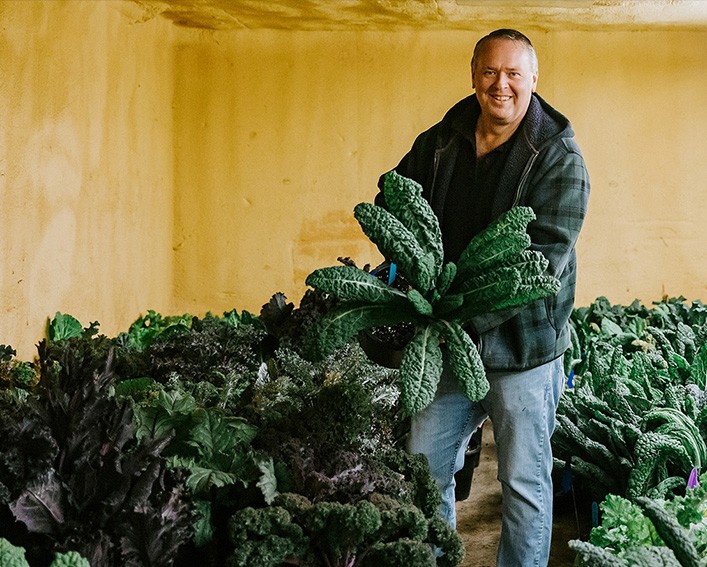
From colorful Galaxy and Yellow Submarine tomatoes to Unicorn kale and the new Northstar broccoli hybrid, plant breeder Phillip Griffiths develops vegetable varieties that combine flavor, appearance, nutrition and performance in the field. 

A professor in the School of Integrative Plant Science based at Cornell AgriTech in Geneva, N.Y., Griffiths works closely with growers, seed companies and consumers to identify traits that matter most. Then he brings them together in new varieties that help farmers remain competitive, expand choices for gardeners and shoppers, and contribute to more resilient and sustainable food systems. 

By combining consumer preferences with agricultural needs, Griffiths is helping ensure that healthier, more productive crops also make it onto people's plates.

Find examples of Griffith's work in these Cornell Chronicle articles:

Grand Challenge Research: Sustainable crop production and food security

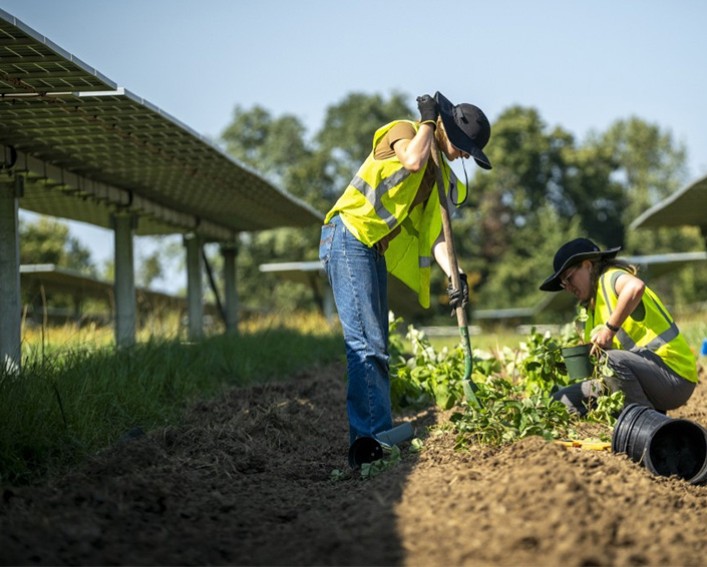
Understanding solar's impacts on farmland

As solar development expands across New York, Cornell researchers are helping farmers and policymakers understand both its opportunities and its challenges. 

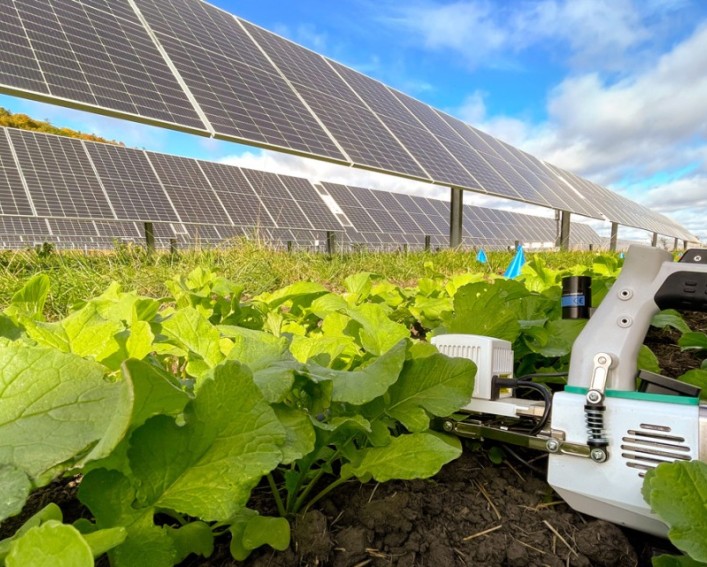
Toni DiTommaso, professor in the Soil and Crop Section, was co-principal investigator in one recent study that found that the shade cast by solar panels can reduce yields of some crops, such as fall-planted radishes and radicchio.  Justine Vanden Heuvel, professor in the Horticulture Section is a co-author of another study that suggests agrivoltaic systems could provide Concord grape growers with a valuable new source of income through renewable energy production. 

These findings highlight the importance of evaluating solar projects crop by crop and region by region, rather than assuming a one-size-fits-all approach. Drawing on expertise from across SIPS and partner disciplines, Cornell researchers are generating the independent, science-based evidence needed to balance food production, farm profitability and clean energy goals in a rapidly changing landscape.

Louis Longchamp speaking to a group of people at a farm
field day
yu jiang with in vineyard with robot
jason londo in apples
A pile of freshly harvested beets resting on a light blue slatted wooden table. The beets feature deep reddish-purple, round roots with small, stringy taproots extending from the bottoms. Attached are vibrant green leaves with thick, bright magenta stems and veins. The leafy greens appear slightly wet, giving the freshly picked vegetables a dewy look against the pale blue background.
mark sorrells with lake effect in the field
griff with kale
analyzing plants between solar panels

Plants and ecosystem health
Grand Challenge Research: Plants and ecosystem health
Solar solutions: Agrivoltaics offer array of options for farmland use

The Cornell Agrivoltaics Research program is overseeing projects that will test the viability of a variety of crops grown around solar panels in New York. Of particular interest is how solar panels impact weed and pest pressure, disease occurrence, soil health and productivity. Cornell can be an objective third party that can provide unbiased information to help farmers, landowners and policymakers make decisions, according to Antonio DiTommaso, professor in the School of Integrative Plant Science’s Soil and Crop Sciences Section and associate director of the Cornell University Agricultural Experiment Station, who  leads the program.

Grand Challenge Research: Plants and ecosystem health
Helping agriculture adapt to a changing environment

Farmers and land managers need better ways to understand how crops respond to drought and how soils store carbon, both of which influence the productivity and resilience of agricultural systems.  Two researchers in our Soil and Crop Sciences Section are developing new tools that can help provide those insights.

Assistant Professor Yun Yang uses satellite observations and advanced analytics to monitor plant water use and plant health across agricultural landscapes. By translating complex Earth observation data into actionable information, her work aims to support better decisions about water resources and crop management to strengthen food and water security.

Professor Yiqi Luo and colleagues are exploring how artificial intelligence can improve understanding of soil carbon processes. Their work helps scientists better predict how agricultural soils store carbon and respond to environmental change.

Together, these projects highlight how researchers are combining advances in data science with agricultural and environmental expertise to address challenges facing farmers and the ecosystems on which agriculture depends.

Grand Challenge Research: Plants and ecosystem health

Destructive weed, found in NYS, resists common herbicides

Palmer amaranth populations in New York's Steuben, Genesee and Orange counties have resistance to glyphosate, the leading weed control chemistry used in soybean crops. The weed is native to the southeastern U.S. but has been spreading north as the climate warms. “We can use this information to let our growers know what to expect, so they can make good decisions about how to manage the species,” said Lynn Sosnoskie, assistant professor in the Horticulture Section of the School of Integrative Plant Science, one of the authors of the journal article reporting these findings. “We want to avoid these population blow-ups that become very difficult to control once they get going.”

Grand Challenge Research: Plants and ecosystem health

Chaotic springs, long summers mean uncertainty for NY grape growers

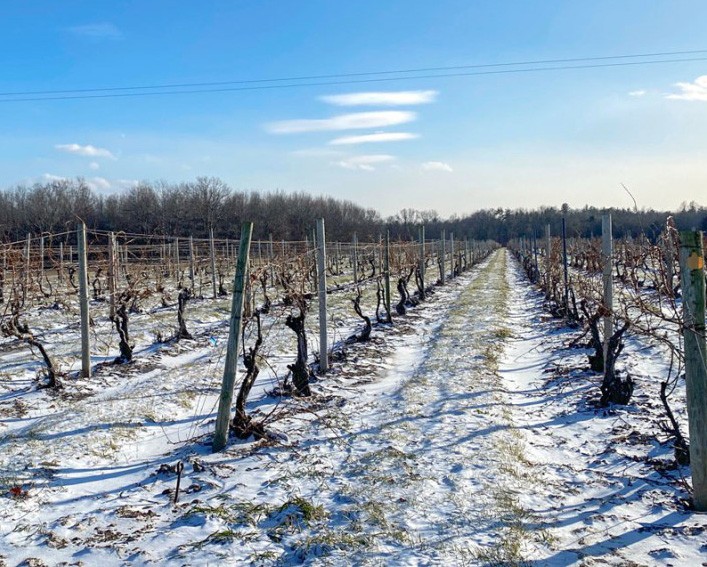
Breeding grapes to survive cold winters also makes them more vulnerable to late bud-killing frosts in spring, according to a study by Cornell researchers.  “And this is kind of scary because for decades we’ve been breeding and planting grapes for deep midwinter hardiness, which brings along with it this trait of waking up early. But now our winters are getting warmer and more erratic, so those cultivars are more at risk for late frost damage,” said Jason Londo, associate professor in the Horticulture Section of the School of Integrative Plant Science.

Grand Challenge Research: Plants and ecosystem health

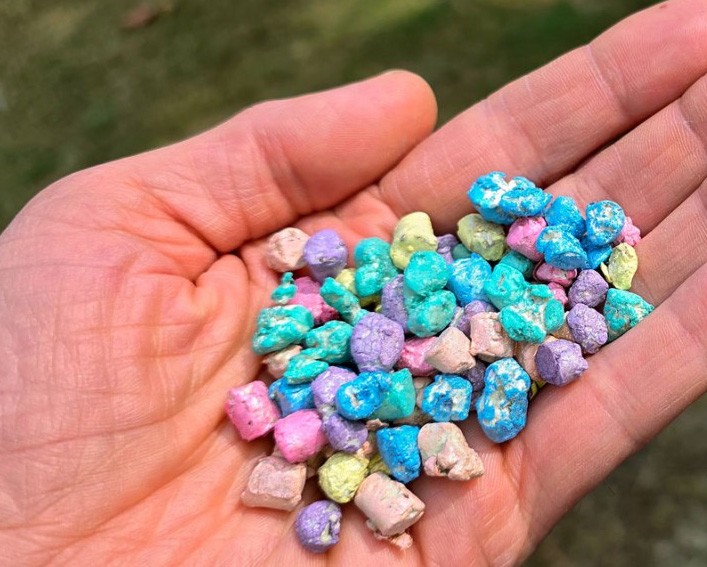
Corn-shaped seed pellets to boost habitat for monarchs, bees

Three Cornell researchers are working with industry partners to scale up a multiseed pellet technology allowing farmers to increase crop field biodiversity using their existing equipment to plant strips of milkweed or wildflowers next to their fields. The 3D-molding technology simulates the corn seed’s size and shape for smaller seeds -- formulations including milkweeds, purple coneflower, wild bergamot, and black-eyed Susans. Scientists and government agencies have long advocated for farmers to plant wildflower buffer strips to counter low biodiversity around crops, and this technology makes that feasible, say the researchers. 

Grand Challenge Research: Plants and ecosystem health

NY’s first dairy farm biochar kiln advances green agriculture

Similar to charcoal, biochar is made from organic residues such as manure. Added to soil, it can retain nutrients, decrease manure storage costs, sequester carbon and reduce odors. “What’s going on at Spruce Haven Farm is quite amazing,” said biochar pioneer Johannes Lehmann, the Liberty Hyde Bailey Professor in the Soil and Crop Sciences Section of the School of Integrative Plant Science, of the 2030-cow dairy. “The farm has a large manure digester and ... they are integrating the idea of having multiple approaches to sustainability.” That includes developing a more circular nutrient process that prevents phosphates in manure from ending up in nearby Cayuga Lake or other waters and contributing to pollution and algal blooms, he added.

planting between solar panels
digital image stack
soybean field infested with palmer amaranth
snow covered vineyard
handful of rainbox colored seed pellets
lehmann with biochar kiln

Biodiversity, evolution, and molecular mechanisms
Grand Challenge Research: Biodiversity, evolution, and molecular mechanisms
How plants turn chaos into order

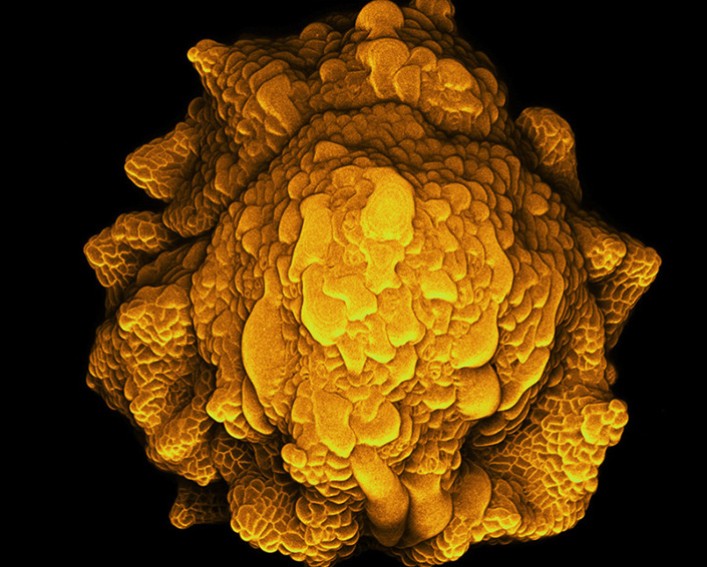
How does a plant reliably produce smooth leaves, protective flower parts and other complex structures? Adrienne Roeder is uncovering the cellular and molecular mechanisms that allow plants to grow with remarkable precision despite the inherent randomness of life.

A professor in Cornell's School of Integrative Plant Science, Roeder studies how groups of cells coordinate their behavior to shape developing plant organs. Her recent research revealed how cells can buffer noisy genetic signals and how differences in growth patterns and mechanical forces determine whether plant structures remain smooth or become wrinkled.

While driven by fundamental questions about how living organisms develop, these discoveries are laying the groundwork for future advances in crop improvement, synthetic biology and the engineering of living materials. By revealing the rules that govern plant form, Roeder's work helps explain how biological complexity emerges from individual cells.

Grand Challenge Research: Biodiversity, evolution, and molecular mechanisms
Tracking how plants respond to a changing world

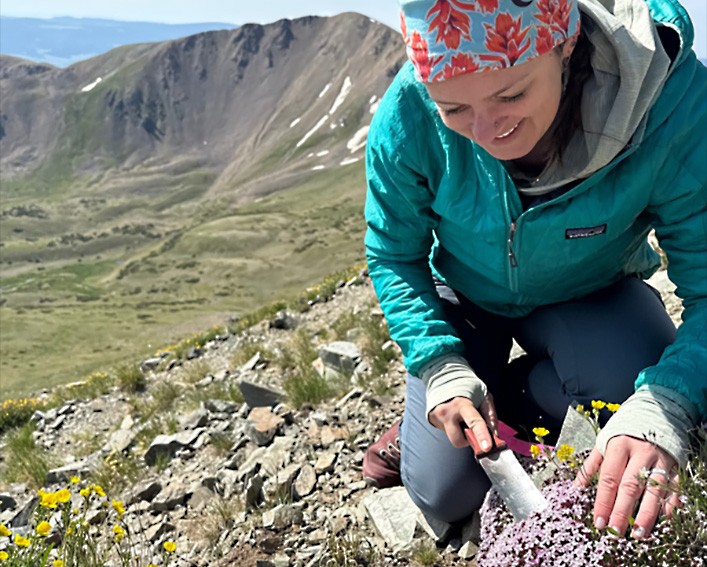
From alpine mountaintops to island ecosystems, Hannah Marx studies how plant diversity evolves and how species adapt to changing environments over time. Her research combines fieldwork, evolutionary biology and genomic tools to better understand the forces that shape plant communities and their responses to environmental change, including climate change. 

As an assistant professor in the Plant Biology Section, Marx also directs the L.H. Bailey Hortorium Herbarium – one of North America's largest collections of preserved plants totalling roughly one million specimens. 

Herbarium collections serve as biological time capsules, providing historical records and genetic material that help researchers track shifting species distributions, changes in biodiversity and long-term ecological trends. Together, Marx's research and stewardship of the herbarium are helping scientists better understand and predict how plant ecosystems may change in the future.

Grand Challenge Research: Biodiversity, evolution, and molecular mechanisms
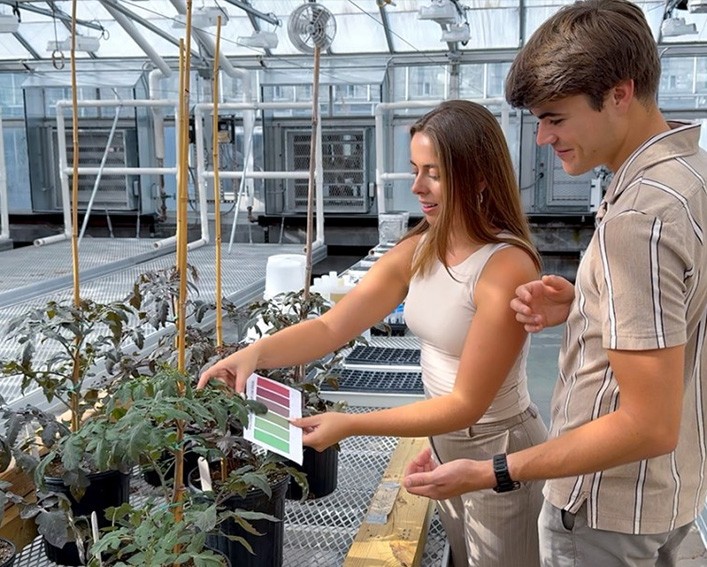
Teaching plants to communicate

When doctoral students Ava Forystek and Jacob Belding engineered tomato plants that turn vivid red when soil nitrogen runs low, they transformed a natural plant communication system into a tool for sustainable agriculture. Their innovation builds on the way plants sense nutrients through their roots and relay those signals to leaves and stems. 
 
By rewiring that molecular pathway to produce a visible red pigment, the students created a living sensor that could help growers identify nutrient deficiencies before crops become stressed, improving fertilizer efficiency while reducing nutrient runoff. 
 
The project demonstrates how discoveries in plant biology can be translated into practical solutions while deepening our understanding of the molecular mechanisms plants use to perceive and respond to their environment. The invention emerged from National Science Foundation’s Center for Research on Programmable Plant Systems (CROPPS), which fosters collaborations between scientists at Cornell and partner institutions.

Grand Challenge Research: Biodiversity, evolution, and molecular mechanisms
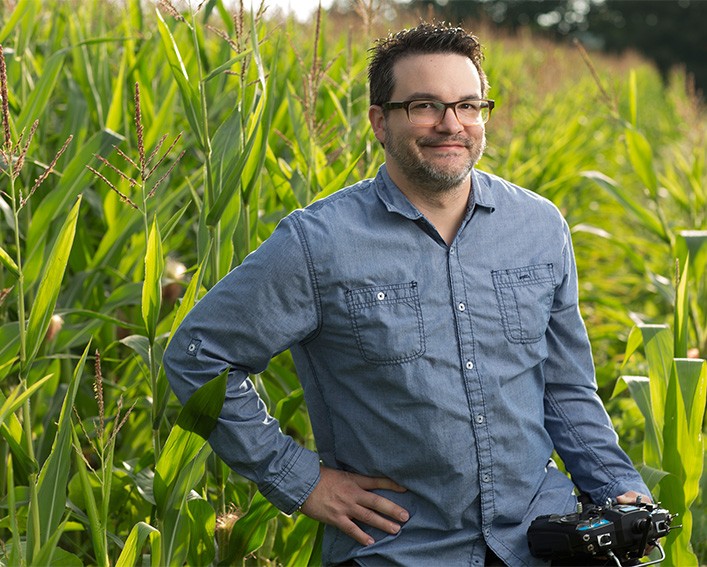
Gene sequencing reveals healthier maize variants

While a staple in much of sub-Saharan Africa and Latin America, most maize varieties fall dangerously short in key nutrients like vitamin A and vitamin E.  Rather than engineer a solution in the lab, Michael Gore, professor in Plant Breeding and Genetics Section, turned to maize itself.  Over 15 years, Gore's lab "scanned thousands of maize varieties from around the globe. Using high-resolution mapping and advanced gene sequencing, they uncovered rare but powerful variants that naturally produce higher levels of beta-carotene, the precursor to vitamin A. Some of these maize lines, bright orange and brimming with nutrients, are now growing in Zambian fields through collaborations with HarvestPlus and CIMMYT," reports SeedWorld. “We didn’t need to invent a miracle,” Gore said. “We just had to listen to what maize already knew.”


Grand Challenge Research: Biodiversity, evolution, and molecular mechanisms
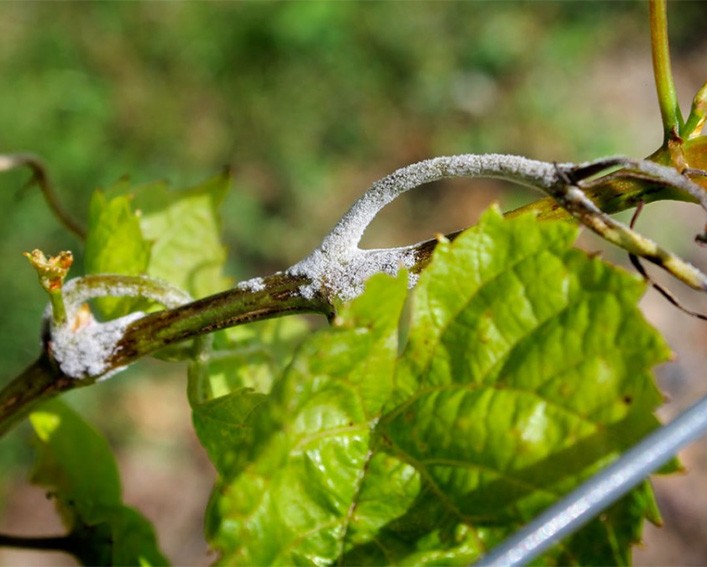
Gene discovery may help growers battle grape downy mildew

Researchers at Cornell have discovered a new grape downy mildew resistance gene – giving the wine and grape industry a powerful new tool to combat this devastating disease. “Of the downy mildew resistance genes found in the world to date, this is one of the strongest,” said Lance Cadle-Davidson, adjunct professor in the School of Integrative Plant Science in the College of Agriculture and Life Sciences, and a research plant pathologist with the USDA’s Grape Genetics Research Unit in Geneva. “The discovery could help breeders develop more resistant grape varieties.”

Grand Challenge Research: Biodiversity, evolution, and molecular mechanisms

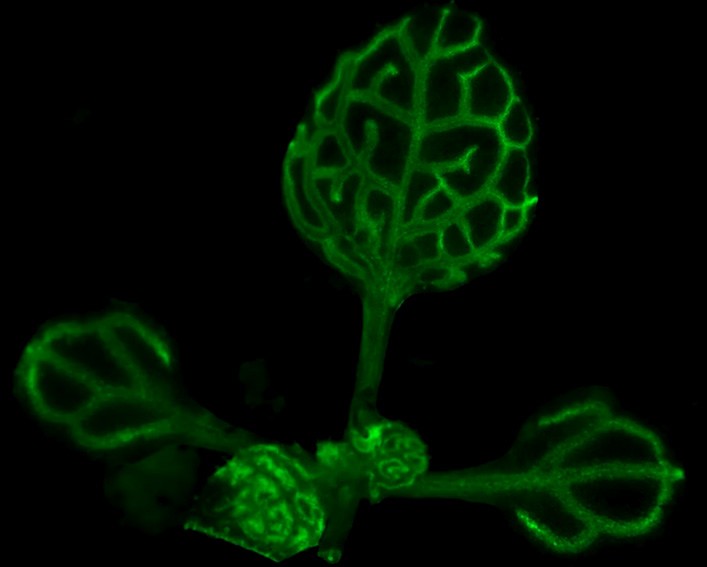
Century-old mystery of plant communication solved

Imagine if a plant in a farmer’s field could warn a grower that it needs water? Or if a farmer could signal to plants that dry weather lies ahead. Margaret Frank, associate professor in the Plant Biology Section of the School of Integrative Plant Science, is one of the collaborators advancing our understanding of such two-way communication with plants through the efforts of the Center for Research on Programmable Plant Systems (CROPPS), which is funded by a five-year, $25 million National Science Foundation (NSF) grant.

 flower bud with wrinkled and irregular sepals
hannah marx with trowel above the treeline
students with tomato plants in greenhouse
michael gore with controller in corn field
downy mildew on grape stem
cropp graphic

Urban plants and ecosystem services

Grand Challenge Research: Urban plants and ecosystem services
Tree mapping for cooler cities

Researchers have developed the first citywide, “wall-to-wall” map of New York City’s trees, identifying 1.8 million individual trees, including 1.4 million that had never been surveyed because they are located on private property, in natural areas, or other previously unmapped locations. 
 
By combining satellite imagery, lidar data, and ground-based observations, the team created a tool that can help cities make smarter decisions about where and what to plant to maximize cooling, improve air quality, reduce flooding, and address other urban environmental challenges. The approach can be scaled to hundreds of cities across the United States and potentially worldwide. 
 
A key contributor is Daniel Katz, assistant professor in Cornell’s School of Integrative Plant Science, whose research focuses on using data and remote sensing to better understand and manage urban forests. The project supports efforts to reduce heat-related health risks as cities face increasingly severe heat waves.

Grand Challenge Research: Urban plants and ecosystem services
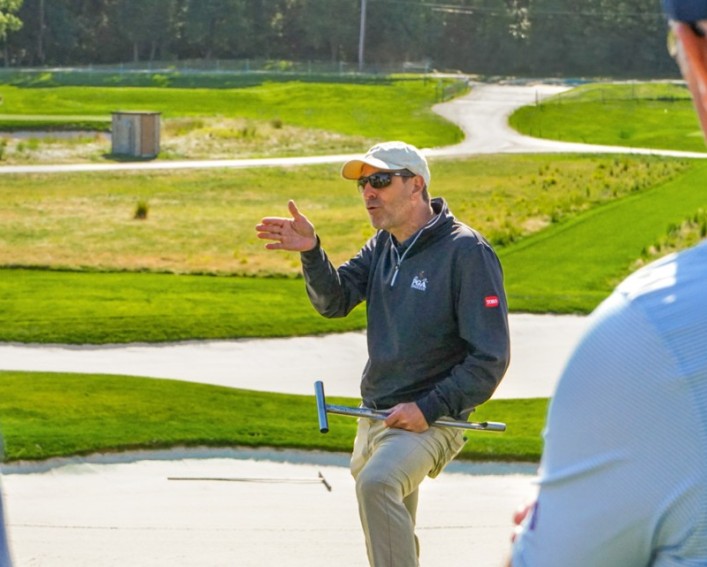
Championship turf, sustainable science

At the 2025 Ryder Cup at Bethpage Black, golfers competed on a course shaped by decades of Cornell research aimed at reducing environmental impacts while maintaining championship-quality playing conditions. 

Through a 25-year partnership with New York State Parks, Cornell researchers helped cut pesticide and fertilizer use, improve soil health and adopt science-based management practices now used on public golf courses across the state. Beyond Bethpage, the turfgrass program develops data-driven tools for irrigation, nutrient management and turf performance, while testing emerging technologies such as remote sensing to improve efficiency and sustainability. 

The work is led by Frank Rossi, associate professor of horticulture and turfgrass extension specialist in Cornell’s School of Integrative Plant Science, whose research translates directly into practical solutions for golf courses, athletic fields and other managed landscapes.

Grand Challenge Research: Urban plants and ecosystem services
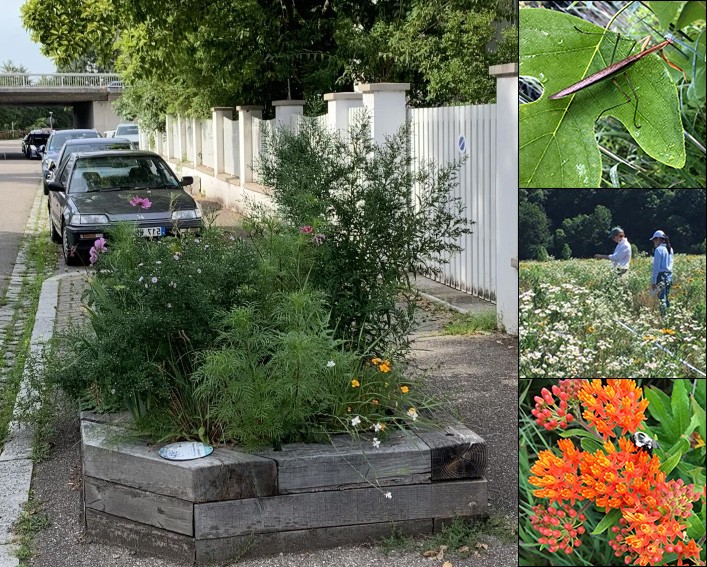
Urban Plant Ecology Lab explores biodiversity, human-nature interactions

Under the leadership of Aaron Sexton, our new Urban Plant Ecology Lab seeks to understand how urban ecosystem management influences biodiversity patterns and processes. Research focuses around urban plant and animal communities how they influence human-nature interactions. Research topics include how urban community gardens affect pollinators and natural enemies of pests, restoration of plant-pollinator communites, urban heat island effects on timing of flowering, and impacts of urban wildfires. Techniques range from ecological field work, large-scale data synthesis, and socioecological research including collaborations around New York State, New York City and in Europe.

Grand Challenge Research: Urban plants and ecosystem services
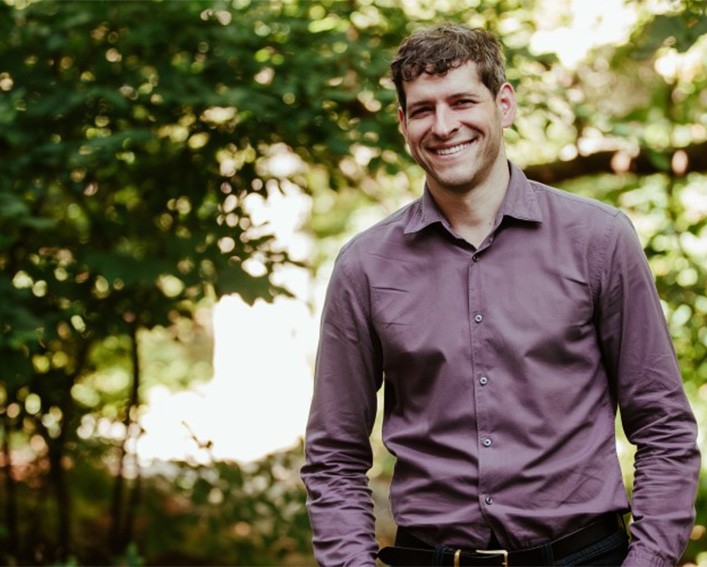
Plants, pollen and people - assessing ecological services & 'disservices'

The Katz Lab focuses on modeling airborne pollen concentrations, quantifying the cooling effects of urban trees, and applying ecological concepts to more effectively use remote sensing for urban tree identification. "My goal is to generate the ecological knowledge necessary to address plant-related public health problems," said Dan Katz, assistant professor in the Soil and Crop Sciences Section of the School of Integrative Plant Science. "To do so, I measure ecological processes using field studies, scale from individual plants to landscapes with remote sensing, and combine these into models related to ecosystem services and disservices."

Grand Challenge Research: Urban plants and ecosystem services
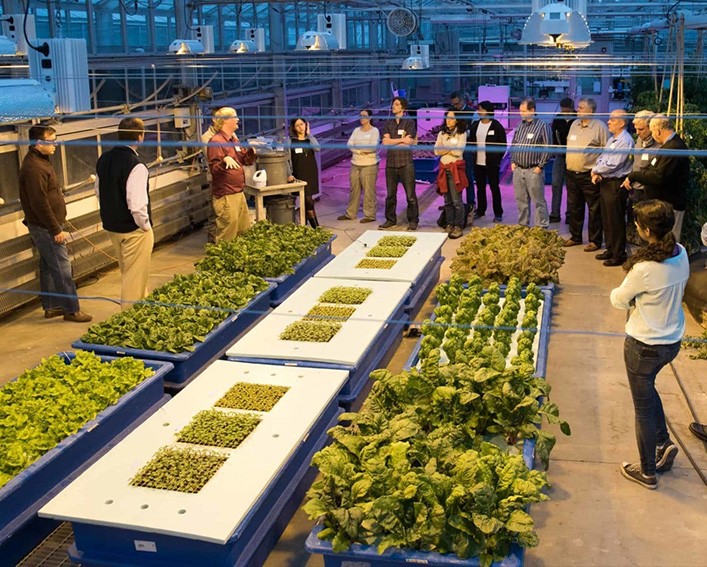
Controlled Environment Agriculture (CEA) fuels urban, vertical farms

CEA is an advanced and intensive form of hydroponically-based agriculture using sophisticated lighting and environmental control systems that help make indoor farming more efficient and sustainable. See also: Greenhouse Lighting and Systems Engineering (GLASE) – a public-private partnership led by Cornell and Rensselaer Polytechnic Institute to integrate advanced energy-efficient LED lighting with improved environmental controls for more efficient and sustainable greenhouse production.

Grand Challenge Research: Urban plants and ecosystem services

Reducing climate risk from urban wildfires

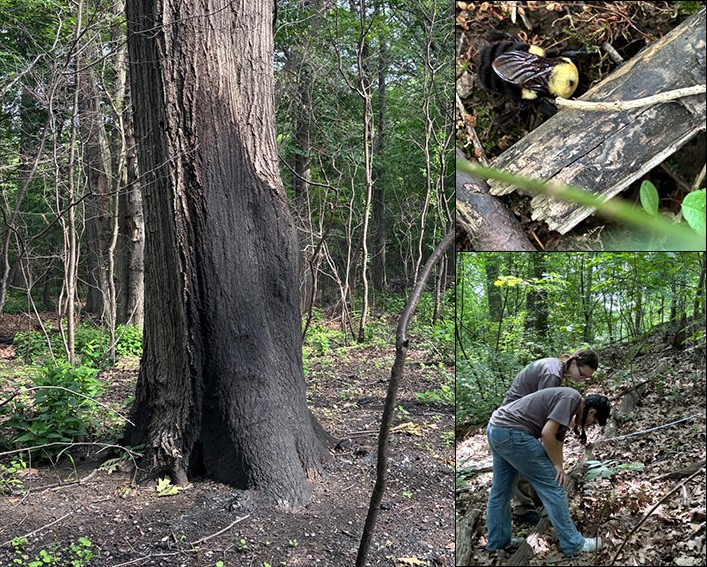
In 2024, several large wildfires scorched dozens of wooded acres in several boroughs of New York City – a region previously thought to be relatively safe from fire risk. Because such fires are so rare, these sites offer a unique and exciting opportunity to study changes in plant communities caused by fire and develop ecological management strategies to prevent even more dangerous fires in the future by reducing the fire fuel-load. In 2025, our Urban Plant Ecology Lab began surveying two of the largest NYC wildfire sites – in Prospect Park in Brooklyn & Inwood Hill Park in Manhattan, and is already seeing some interesting results!

NYC skyline from central park
rossi talking turf on golf course
urban ecology montage
dan katz
group in CEA greenhouse
scorched tree researchers and ground-nesting bee

More about our research

colored plant cells in a microscopic image
Foundational knowledge

Our researchers are making breakthroughs in understanding the important and fundamental processes at work in plants and their environments, the properties of soils and how plants interact with microbes.

women working in a greenhouse with rice plants
Food security

Global and national food security is one the greatest challenges we face. We are working to increase food production through breeding for enhanced food value, disease management and optimized cropping systems.

women working in a field
Environmental conservation

Our scientists are developing sustainable agro-ecosystems that improve soil health and optimize production of forage, fuel and fiber. Our focus areas include imaging technology for environmental analysis and resource management, digital agriculture and strategizing adaptation to climate change.

two men behind a bed of pink tulips
Human health & well-being

Our researchers enhance human health and well-being by improving plant nutrient content and culinary appeal and by enriching the human environment through plantings in public gardens and urban and developed settings.

baskets of different colored peppers
Research by crop

Our faculty conduct research on a wide variety of crop plants, ranging from global staples such as rice, small grains and potatoes, specialty crops like apples, grapes, cabbage and tomatoes, new areas of interest such as hemp and plants grown as ornamentals.

people sitting in chairs while with a man standing in the back
Organic agriculture

We serve growers engaged in many different agricultural systems, including organic production. Areas of focus include breeding for disease resistance, improving disease prediction and suppression and management using organic methods.

Sustainability is central to our mission

We're focused on sustainable production of food, fiber and fuel that maximizes productivity while minimizing environmental impact. Learn more about some of our many research areas directed at enhanced sustainability.

people standing in a cabbage field

Plant productivity

Using plant breeding and improved agricultural practices, we are finding ways for plants to growth and thrive in marginal environments and local regions outside their normal range.

Improved pathogen & weed management

Plant breeding, agriculttural practices and pathogen monitoring are leading to advances in plant health. Geospatial imaging and associated data analysis enables precision applications of chemical controls for pathogens and weeds.

Plant nutritional content

Through basic research into the genetic mechanisms of nutrient uptake and production, we are producing biofortified food crops that provide important micronutrients and vitamins as well as having increased sensory appeal.

Beneficial interactions with plant-associated microbes

Microbes associated with plants have the potential to enhance plant nutrition, promote growth and suppress disease. We investigate a range of bacterial and fungi involved in these processes.

Soil health

By monitoring soil nutrients, mitigating contaminants and communicating strategies for building healthy soils, we are finding ways to enhance and maintain soil health in New York and around the world.

Enhancing the urban environment

SIPS researchers are maximizing plant-based ecosystem services in urban and developed locations by optimizing planting strategies and balancing environmental compatibility and economic feasibility.

Plant-based biofuels

We are working to reduce our fossil fuel dependence by developing willow and a variety of herbaceous plant species for use as sustainably grown sources of energy.

Agriculture in the developing world

Cornell has a long tradition of enhancing agricultural sustainability in the developing world through improved variety development, cropping systems ecology and leadership in addressing emerging challenges to agriculture worldwide.

Plant diversity

SIPS faculty, principally associated with the Bailey Hortorium, focus on characterizing biodiversity of wild and cultivated plants through time, preservation of which is integral to maintaining sustainable ecosystems.

Communicating best practices

Many of our faculty and senior researchers have extension and outreach responsibilities. Through web-based extension resources and personal communication, best practices for food production, sustainable landscapes, organic agriculture and more are communicated to a variety of stakeholders.

Recent research highlights

Breakthroughs, news, and other stories from the School of Integrative Plant Science
Forest with green trees

News

Cornell researchers have found that changes or improvements in workplace policy, culture and outdoor amenities could facilitate more time outdoors to aid well-being for staff.
  • School of Integrative Plant Science
  • Plants
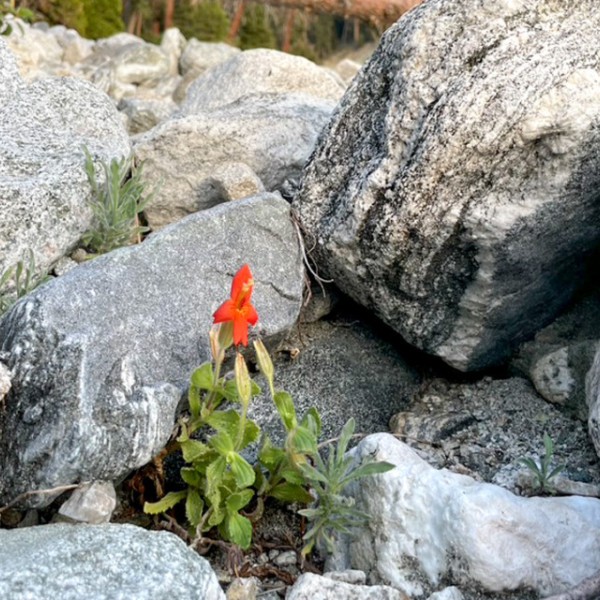
monkeyflower poking out from rocks

News

In response to extreme drought, scarlet monkeyflower populations rapidly evolved and recovered, providing a window into climate change adaptation.

  • School of Integrative Plant Science
  • Plant Biology Section
  • Evolution
Jiameng Lai, Ph.D. ’25

News

Soil and crop sciences alumna Jiameng Lai, Ph.D. '25, was selected as a winner of the SUNY Chancellor Distinguished Ph.D. Dissertation Award.
  • School of Integrative Plant Science
  • Soil and Crop Sciences Section
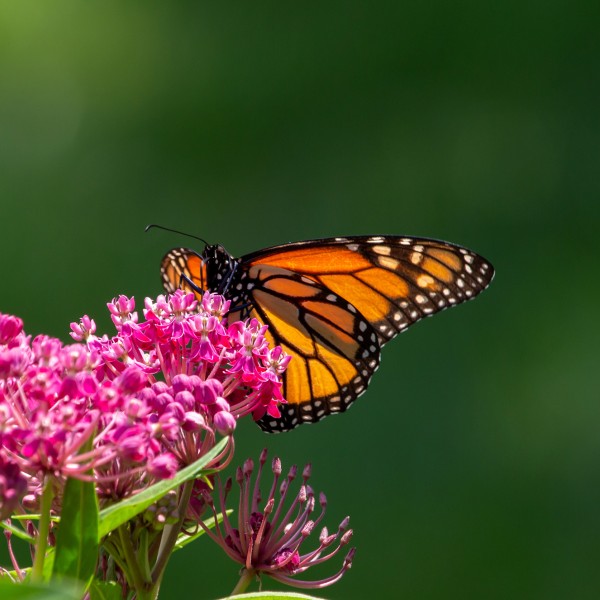
A monarch butterfly on milkweed.

News

Monarch butterflies and other pollinators are essential to ecosystems and agriculture, supporting the reproduction of flowering plants and the production of fruits and vegetables. But decades of habitat loss, pesticide use and the disappearance...
  • Cornell AgriTech
  • School of Integrative Plant Science
  • Horticulture Section

Land Acknowledgment

Cornell University is located on the traditional homelands of the Gayogo̱hó:nǫɁ (the Cayuga Nation). The Gayogo̱hó:nǫɁ are members of the Haudenosaunee Confederacy, an alliance of six sovereign Nations with a historic and contemporary presence on this land. The Confederacy precedes the establishment of Cornell University, New York state, and the United States of America. We acknowledge the painful history of Gayogo̱hó:nǫɁ dispossession, and honor the ongoing connection of Gayogo̱hó:nǫɁ people, past and present, to these lands and waters.

This land acknowledgment has been reviewed and approved by the traditional Gayogo̱hó:nǫɁ leadership. Learn more from the American Indian and Indigenous Studies Program website.