


School of Integrative Plant Sciences
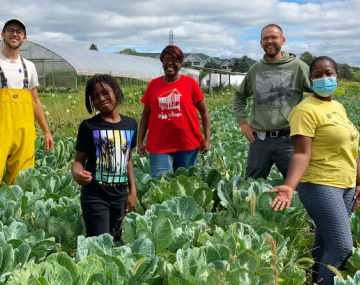
Supports small farm viability across New York through applied research, training and extension. Established in 2001, the program works with CALS faculty, Cornell Cooperative Extension and statewide partners to strengthen small farm success.
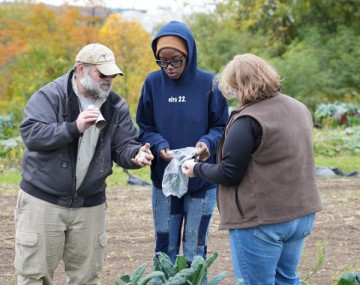
Advances organics recycling in New York agriculture by providing training, technical assistance and educational resources. Builds on the work of the Cornell Waste Management Institute.
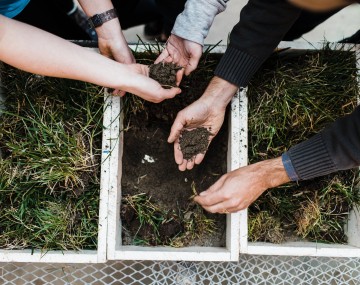
Improves soil health statewide through research, education and assessment tools. Partners with organizations across New York to support farmers and climate resilience. Established in 2017 alongside the state’s Climate Resilient Farming Grant Program.
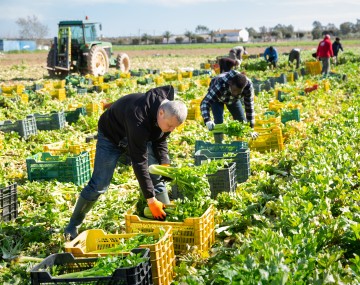
Helps farmers and agribusinesses build effective teams through education on employment law, leadership, management and workforce development. Strengthens human resource practices across New York agriculture.
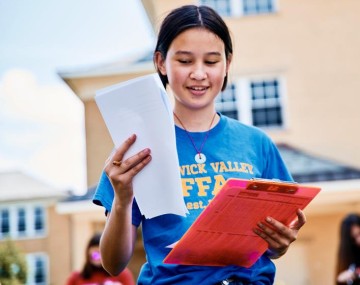
(FFA and New York Agriculture in the Classroom) - Develops future agricultural leaders and educators through partnerships with Cornell and state agencies. Supports pre-K through 12th grade teachers, expands agricultural literacy and provides professional development, classroom resources and experiential learning.
The Ashley School of Global Development and the Environment
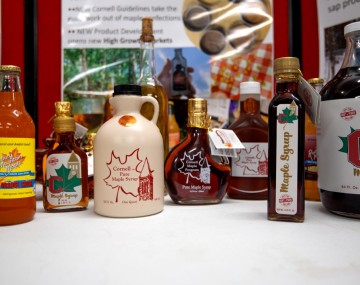
Supports New York’s maple industry through research, education and technology transfer. Focus areas include sustainable production, product innovation, quality and business development. Operates research forests and collaborates with producers and agencies statewide.
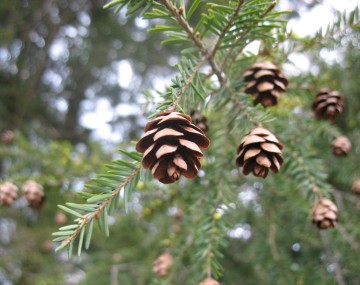
Researches integrated pest management and biological control for hemlock woolly adelgid. Works with scientists, land managers and communities to protect New York’s hemlock forests.
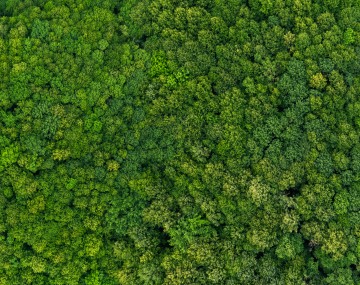
Provides research-based education for woodland owners, foresters and partners on sustainable forest management, regeneration, maple production, invasive species, agroforestry and forest resilience. The Master Forest Owner program offers peer-to-peer support for woodland stewardship.
CALS Departments
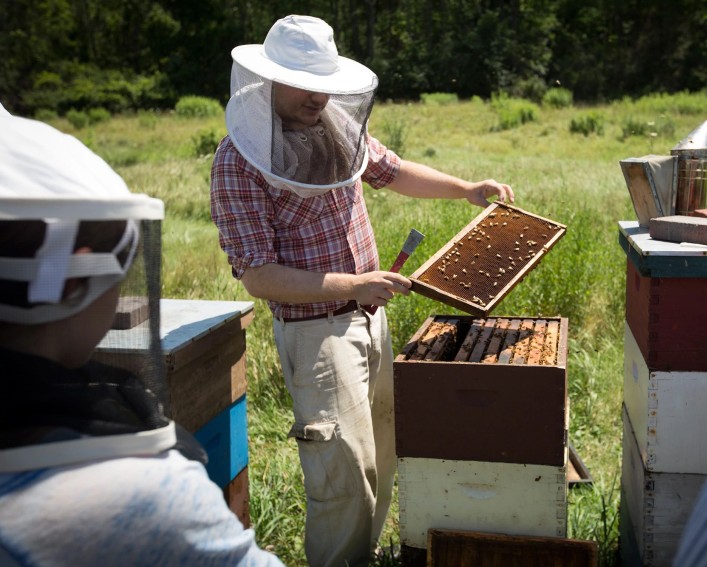

Animal Science
Strengthening New York’s dairy industry and supporting beef, sheep and goat producers through applied research, education, and industry partnerships.
Biological and Environmental Engineering
Improving water management across New York by fostering collaboration among researchers, managers, policymakers and the public and providing training, technical assistance and information to municipal agencies responsible for local road and bridge maintenance and construction.
Dyson School of Applied Economics and Management
Offers free, confidential financial, business and personal support services to New York farmers and farm families. Serves both producers and agribusiness professionals.
Cornell AgriTech
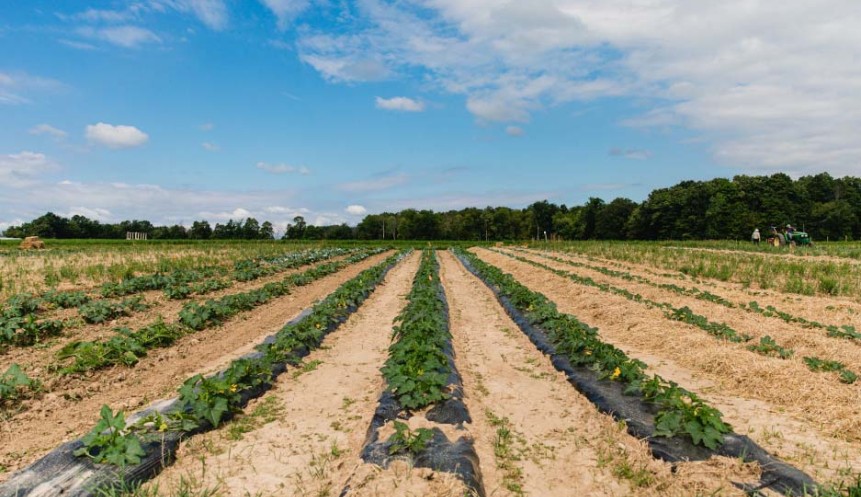
Research, innovation and development
By harnessing the power of transdisciplinary collaboration and cutting-edge innovation, Cornell AgriTech is on a mission to revolutionize the agriculture, food and beverage production for New York state and beyond.