

Search for News & Stories
News
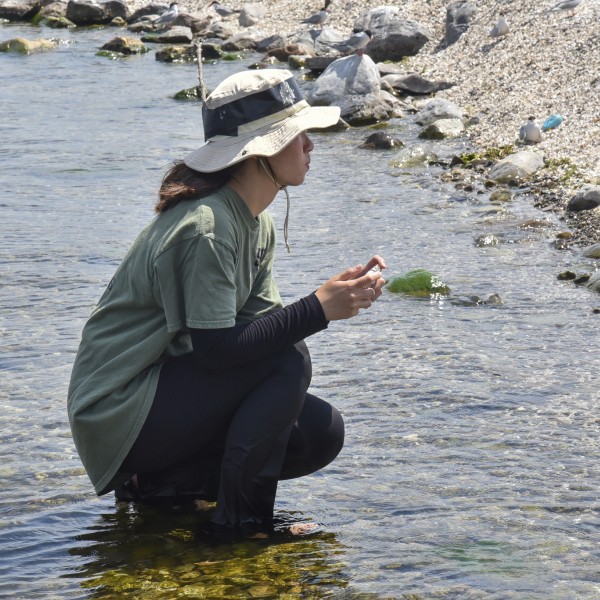
Angelina Tang '28 spent her summer as a Cornell Cooperative Extension intern at the Cornell Biological Field Station near Syracuse, New York. During her internship, she harnessed her love of animals and her expertise in communications to work...
News
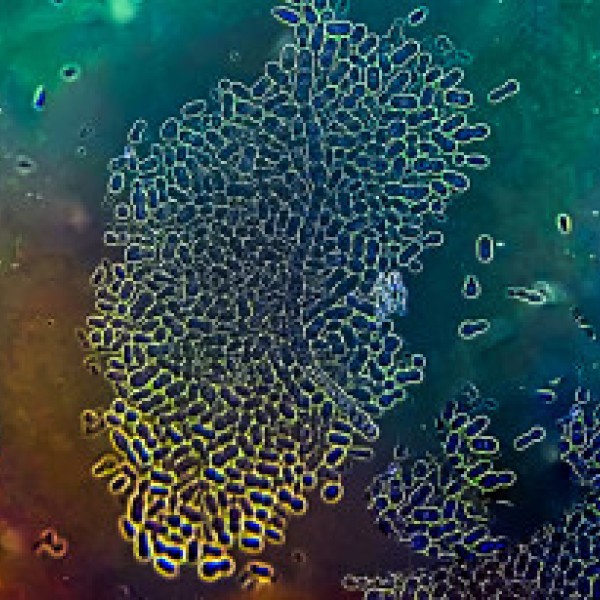
Fungal diseases can contribute up to 20% of staple crop losses and drug-resistant fungal infections lead to some 3.8 million human deaths, globally per year.
News
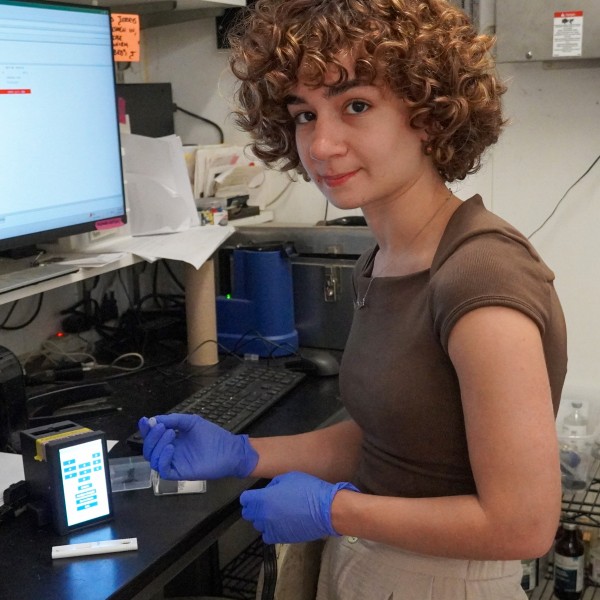
If you love an ice cream sundae in the summer or a latte while the snow flies, then you know how important it is for dairies to produce milk all year around. But to do that, they have to ensure that their cows become pregnant in a timely manner...
News
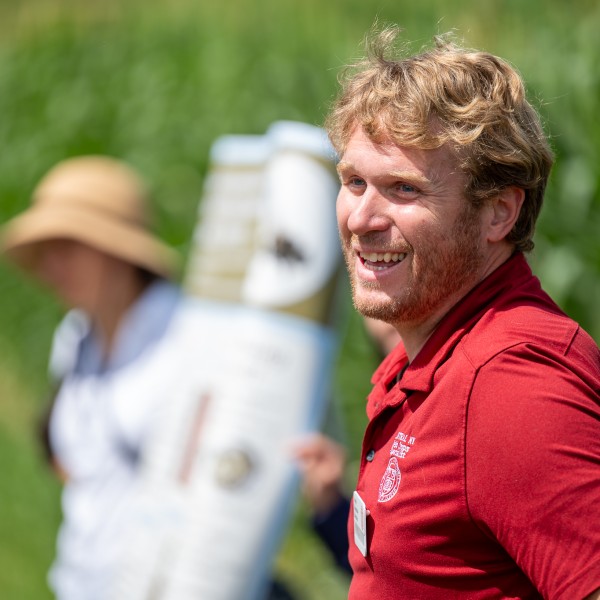
From weather to weeds: How Erik Smith found his place in Extension Erik Smith, field crops specialist and team leader with Cornell Cooperative Extension's (CCE) Central New York Dairy, Livestock, and Field Crops Program, didn't grow up on a farm...
News
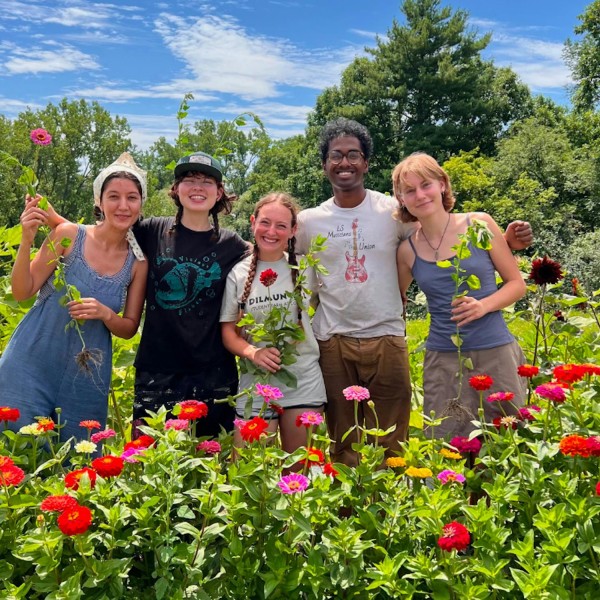
While some students spent their summer in offices, the student managers at Dilmun Hill Student Farm worked full-time growing produce for the Ithaca community. The farm’s philosophy is to “learn by doing,” and that’s exactly what the students did...
News
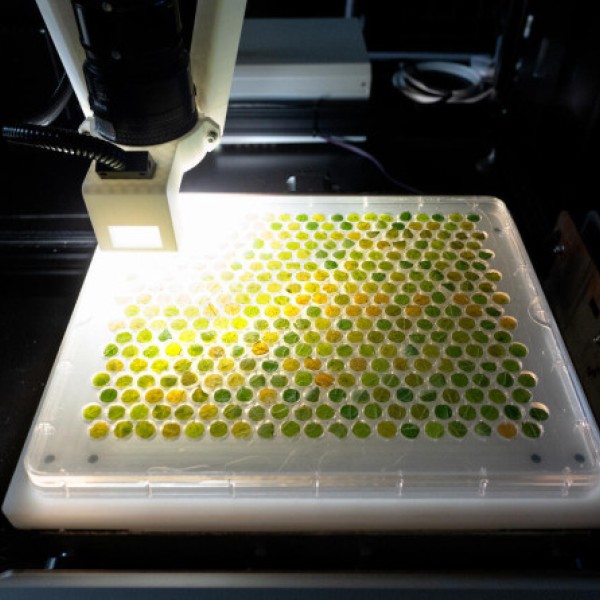
The cutting-edge imaging platform observes microscopic traits in plants and can detect grape diseases that cost vineyard owners billions in annual losses globally.
Spotlight
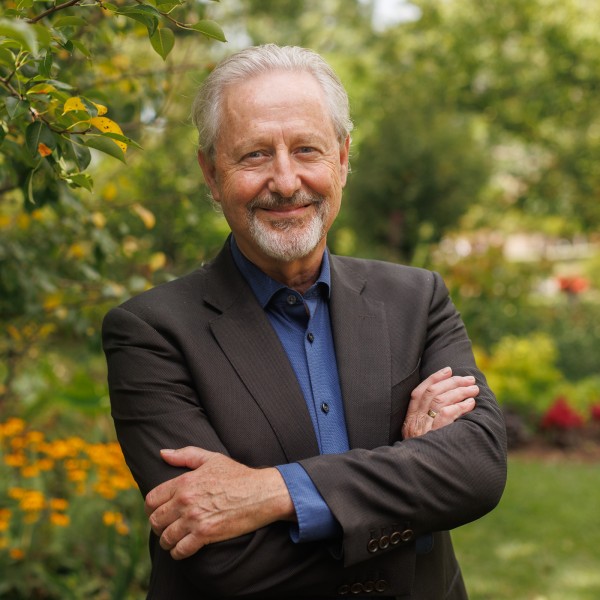
Academic focus: Transforming our food systems to support the health of people and the planet Research summary: I study the costs, benefits and tradeoffs involved in policies aimed at transforming food systems to support healthy and sustainable...
Spotlight
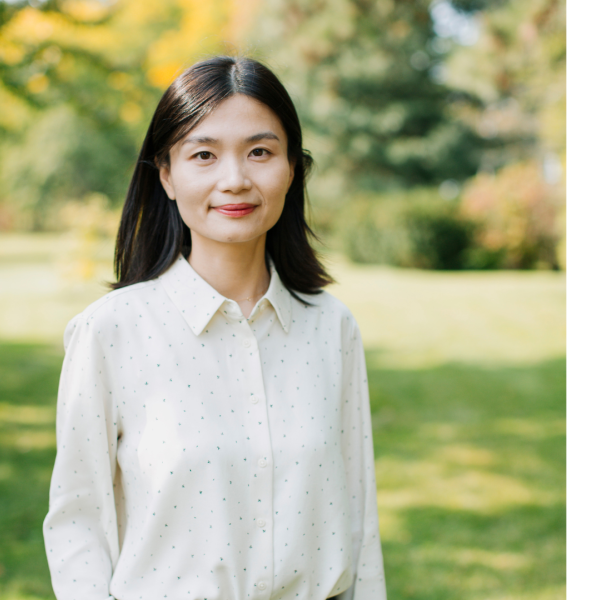
Academic focus: Bioprocess engineering and precision fermentation Research summary: My research program focuses on using bioprocess engineering approaches to address current and emerging challenges in food security and environmental...
Spotlight
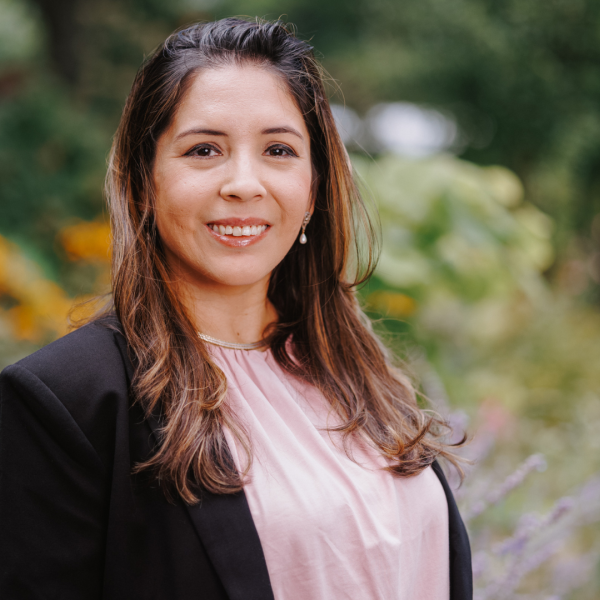
Academic focus: Insect physiology, microbiology, midgut biology and vector–pathogen interactions Research summary: I study the female mosquito midgut – the first organ a blood meal, and any pathogen it carries, must pass through in the...
Spotlight
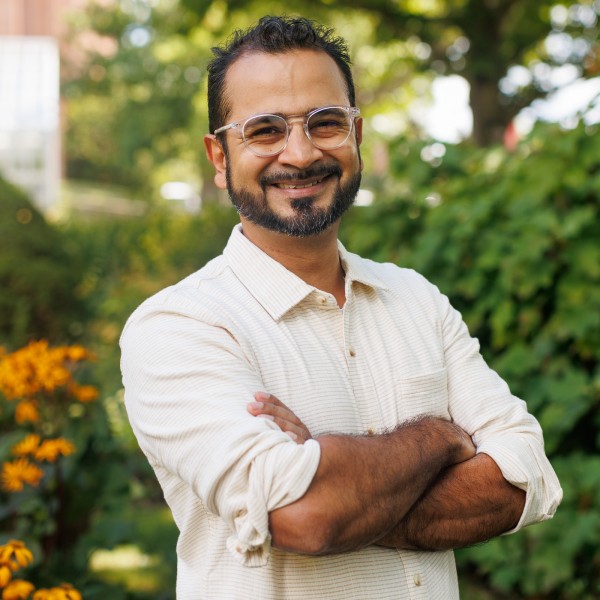
Academic focus: Evolution of animal signals, morphology and behavior Research summary: My research explores how social competition shapes animal morphology, physiology and behavior. I am especially interested in the evolution of elaborate traits...
Spotlight
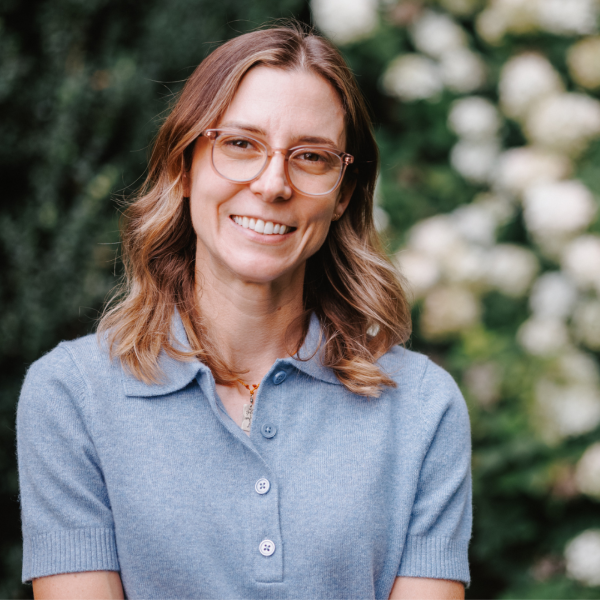
Academic focus: Forest restoration ecology, natural resource management, environmental economics Research summary: My research examines how biophysical and socioeconomic factors shape forest restoration and management outcomes. I combine field...

Spotlight
Academic focus: Poverty and political communication Research summary: As an ethnographer, I study rural and urban communities facing extreme poverty, using immersive fieldwork and participant observation to document and interpret how they...
Spotlight
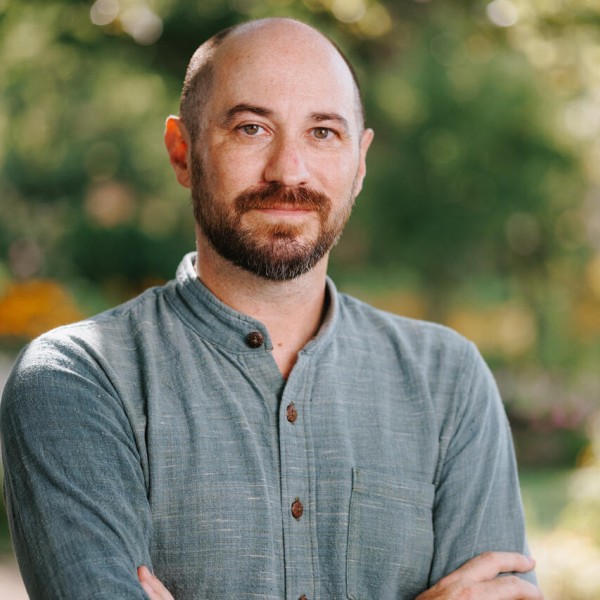
Academic focus: The assembly of landscape Research summary: I research the various ways landscapes are assembled, grounding design and construction practices within the materials and labor of our time and place, as well as the values, histories...
Spotlight
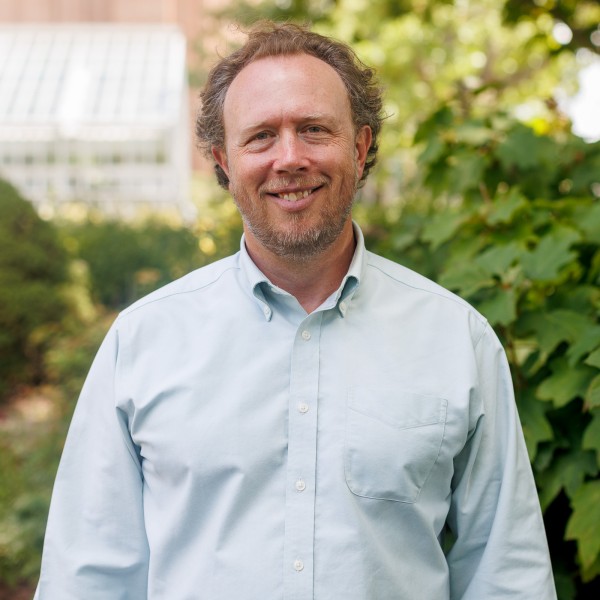
Academic focus: Sustainable fisheries; ecology of marine, estuarine and freshwater ecosystems Research summary: Research in my lab spans a range from field studies of recreational fisheries and climate change in the U.S. and Mongolia to impacts...
Spotlight
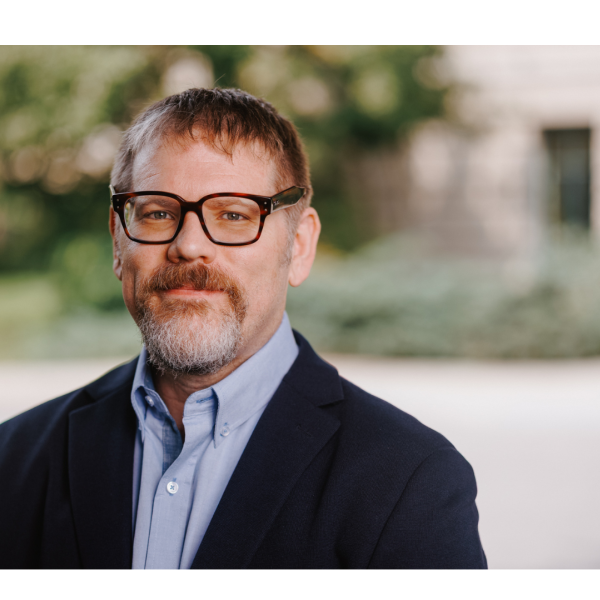
Academic focus: Agricultural economics, environmental and natural resource economics, agricultural conservation policy, water quality, climate change Research summary: I study how agricultural conservation programs and practices affect water...
Spotlight
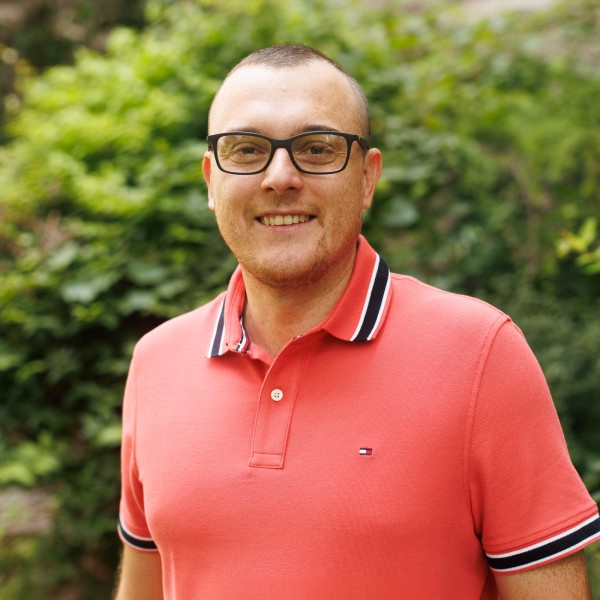
Academic focus: Integrated pest management, insect resistance management, insect ecology and behavior Research summary: My research program has both fundamental and applied focuses. We study insect behavior and ecology in field crops to...
Spotlight
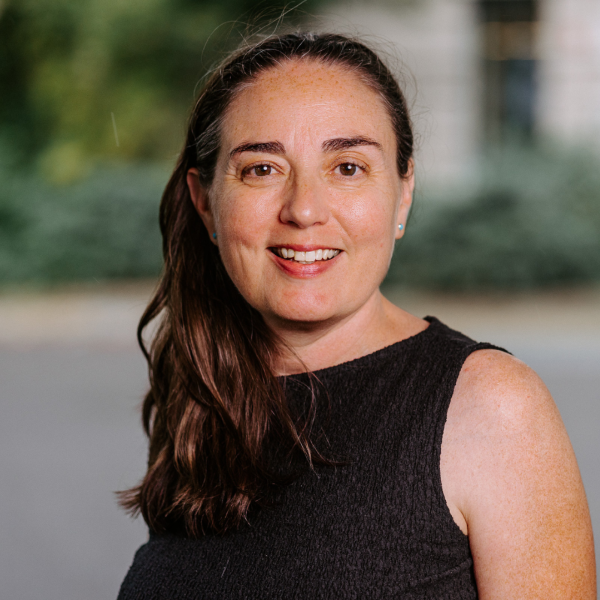
Academic focus: Animal behavior, animal communication, evolution, bioacoustics Research summary: I am an evolutionary biologist who studies animal behavior, particularly how and why animals communicate and how communication changes as...
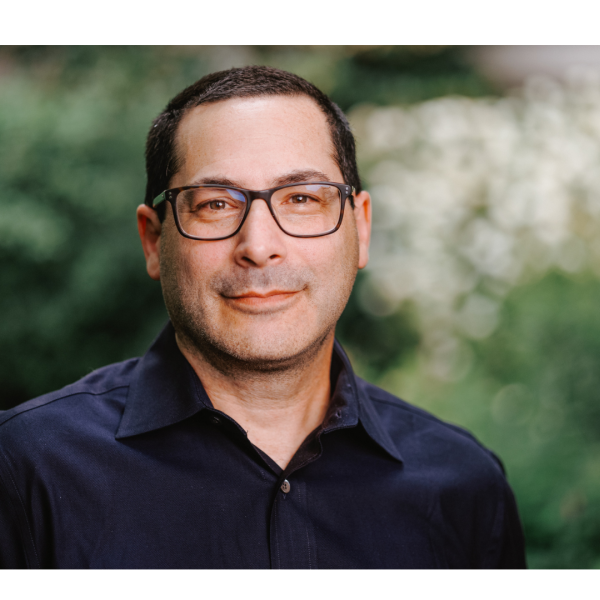
Spotlight
Academic focus: Coastal sustainability, disaster recovery, watershed management Research summary: I work on human-environment interactions in riverine and coastal marsh ecosystems, as well as disaster-prone coastal cities. In riverine ecosystems...
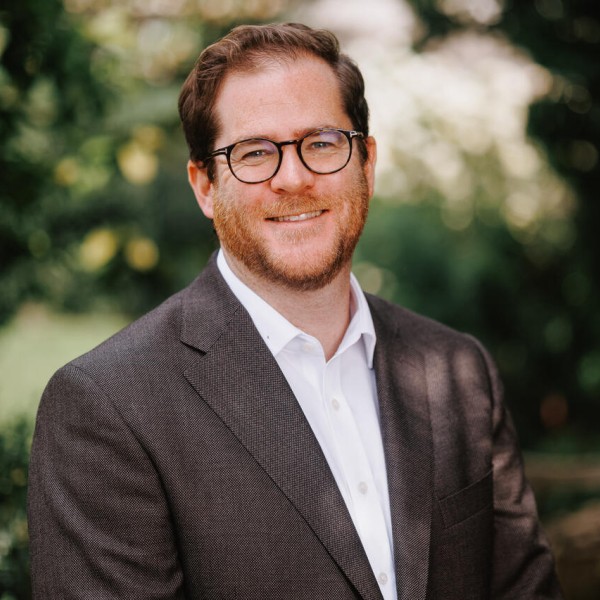
Spotlight
Academic focus: Risk communication Research summary: I study how societies communicate, interpret and govern risk amid technological innovation, political controversy and environmental change. My research asks three interconnected questions: Why...
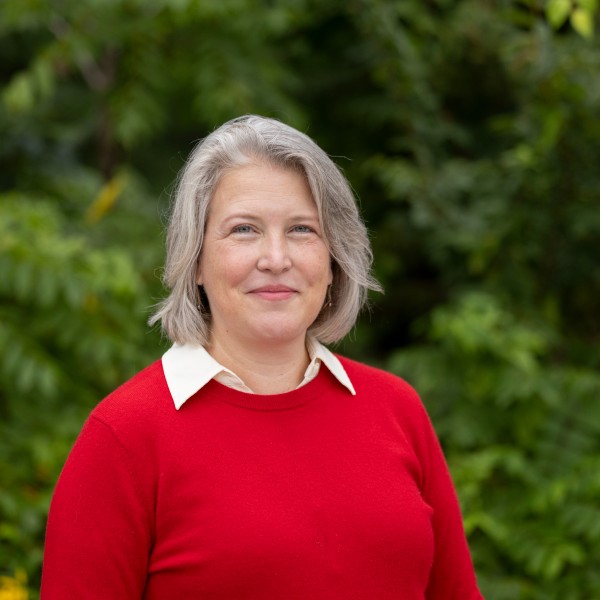
Spotlight
Academic focus: Ecology, biogeochemistry, environmental science Research summary: The core of my research interests are in watershed biogeochemistry and freshwater ecology, with most of my current effort invested in understanding how the ways in...

We openly share valuable knowledge. Often through email.
Sign up for more insights, discoveries and solutions.
Please enter a valid email address to subscribe to the newsletter.