The safety and well-being of our community is our highest priority. We know the recent news and allegations are deeply concerning, and we are committed to a safe environment for all. Learn how Cornell is addressing sexual violence.

Alert Close
Back

Discover CALS

See how our current work and research is bringing new thinking and new solutions to some of today's biggest challenges.

Share
  • Agriculture
  • Dilmun Hill Student Farm
  • Global Development Section
  • Ashley School of Global Development and the Environment

As a first-generation global development major from Badakhshan, Afghanistan, Shabana Mahdis ’29 is interested in the ways agriculture connects with communities, sustainability, resources and development. She shares her summer experience working as a student manager at Dilmun Hill Student Farm through the Lund Fellows program.

One of the things I remember most about my summer at Dilmun Hill is how quickly a harvest could change the rhythm of a day.

You could walk into the field thinking you knew exactly what needed to happen and then notice that something was ready. A cucumber that had been small a few days earlier was suddenly ready to pick. Tomatoes needed another round of pruning. A bed needed attention. There were onions to clean or vegetables to prepare for the CSA. The work kept moving, and so did we.

By the end of the summer, I had learned that this was part of what made a farm a farm. There was always something growing, something changing and something that needed doing. 

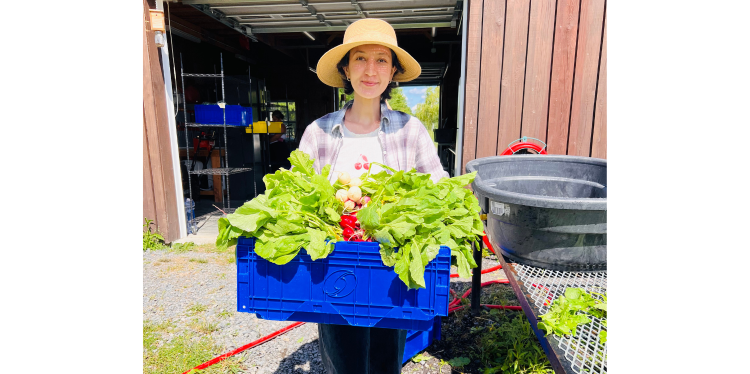
I planted, weeded, harvested, irrigated, prepared beds, cared for crops, prepared vegetables for the CSA and helped get produce ready for market. Some days were tiring. Some tasks were repetitive. But there was something satisfying about being able to look back at the end of the day and see exactly what had changed because we had been there.
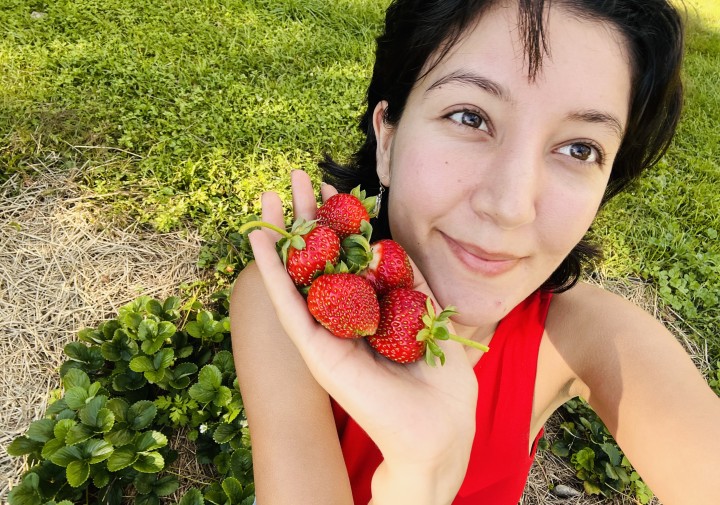
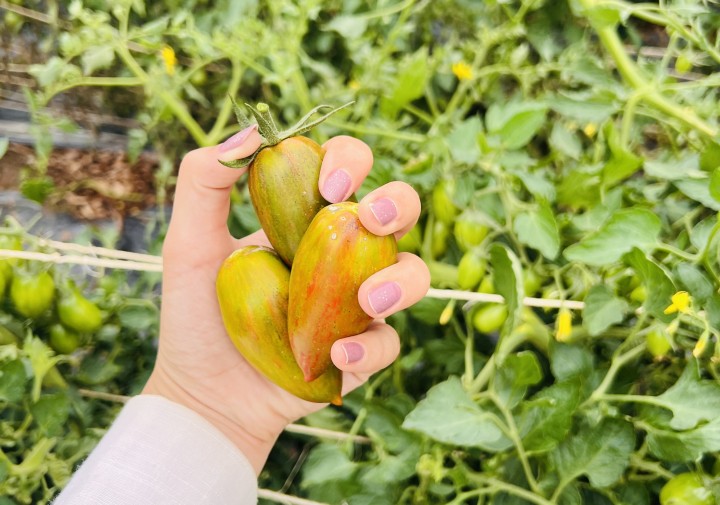
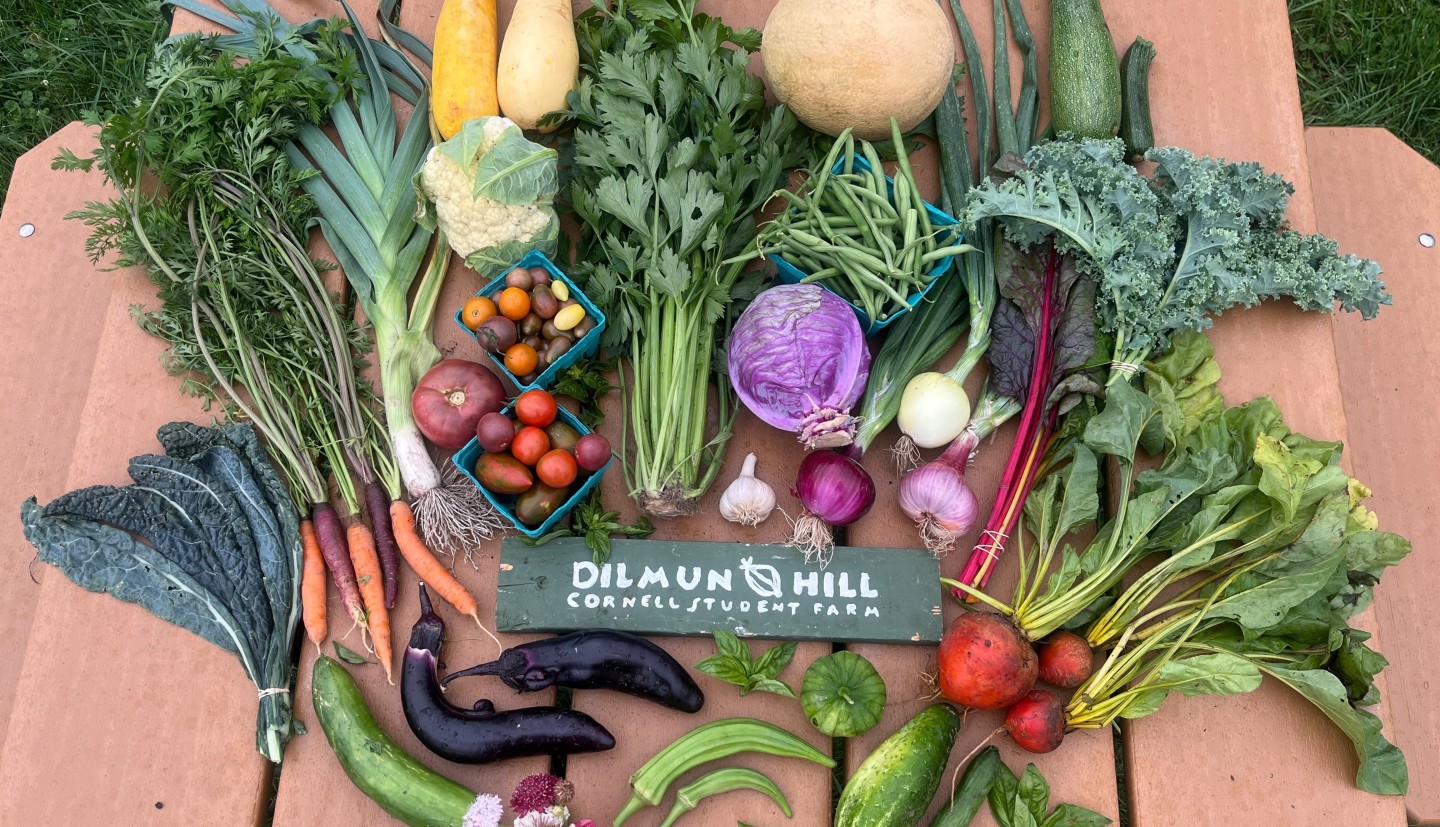
The harvest records told their own story. There were cucumbers, summer squash, tomatoes, carrots, beets, kale, cauliflower, flowers and much more throughout the season. One day, we harvested 82 cantaloupes. Another brought 59 bunches of collards. Those numbers mean something different when you have been in the field; they represent hours of work before anyone sees them at a market or takes them home. That was one of the biggest things I learned about food systems: Food can look simple once it reaches a table; getting it there is anything but.

During our eight-week CSA season, Dilmun Hill provided shares to about 40 members. We harvested, packed and prepared food knowing that it was going directly to people in the community. We also sold produce at the farm market and contributed food through community partnerships. Dilmun greens were used in 100 servings of pasta e fagioli distributed through Cornell’s Food Security Initiative.

Rooted in community

I expected farming to teach me about crops. I did not expect it to teach me so much about teamwork. The student manager team became an important part of my summer. We had different responsibilities and different strengths, and the farm often required us to figure things out together. Communication mattered. I learned that being part of a team does not mean everyone does the same thing. It means everyone understands that their work affects someone else’s.

Then my role began to stretch beyond the fields. I became involved in outreach and communications, creating The Weekly Dirt, a social media series that offers a weekly glimpse into life at Dilmun Hill Student Farm, and photographing what was happening around the farm. I shared information about crops, the CSA, markets, events and opportunities to get involved. I started paying attention to what someone outside the farm would need to know in order to understand what we were doing.

That changed the way I looked at my work. I realized that growing food and telling the story of that food could be part of the same work. That became my favorite part of the summer. Not one particular crop. Not one particular harvest. It was realizing that I could contribute to the farm in different ways.

I could be in the field in the morning, covered in dirt, and later sit down to write about what we had done. I could help grow food and then help people understand why the work mattered. I could work with the team, communicate with students, document the farm and help connect Dilmun Hill with the larger Cornell community.

I still want to work in global development. I am still interested in education, public service, migration and communities. But now, when I think about those interests, I also think about food and agriculture. I think about the labor behind food, the communities that grow and share it, and the ways agriculture can become part of larger conversations about development and access.

I came to Dilmun Hill expecting to learn how a farm works. Instead, I learned how many things can grow there. Crops, certainly, but also confidence, teamwork, communication, curiosity, community and a clearer idea of where I want to go next.

Shabana Mahdis ’29 is a sophomore studying global development in the College of Agriculture and Life Sciences. 

Keep Exploring

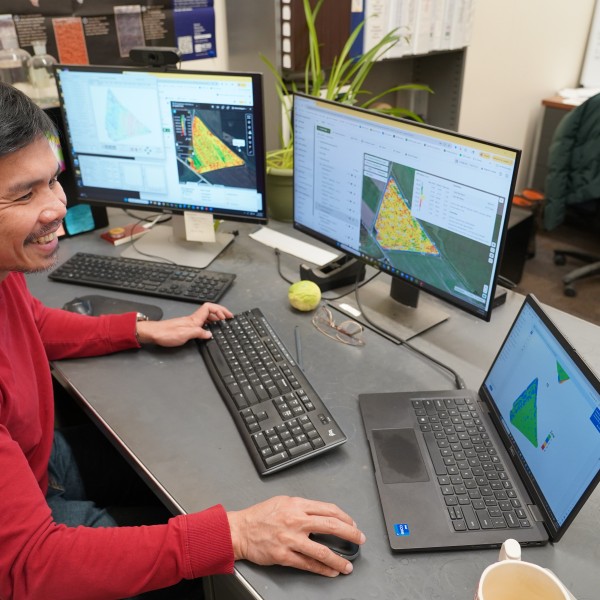
A man works on three computers. He is wearing a red shirt, sitting at a desk and smiling.

Field Note

With hundreds of thousands of acres of corn in New York, it's crucial to support farmers’ efforts to optimize crop production. Yield varies in crop fields for many reasons, including soil fertility and topography. In a recent study, Cornell CALS...
  • Animal Science
  • Soil
  • Agriculture
A solar farm in Lansing, New York.

News

As solar grazing expands across the country, new research helps sheep farmers increase profitability and sheds light on the how the number of sheep in solar array fields interacts with beneficial insects.

  • Natural Resources and the Environment Section
  • Agriculture
  • Solar