The safety and well-being of our community is our highest priority. We know the recent news and allegations are deeply concerning, and we are committed to a safe environment for all. Learn how Cornell is addressing sexual violence.

Alert Close
Back

Discover CALS

See how our current work and research is bringing new thinking and new solutions to some of today's biggest challenges.

Share
  • Cornell Cooperative Extension

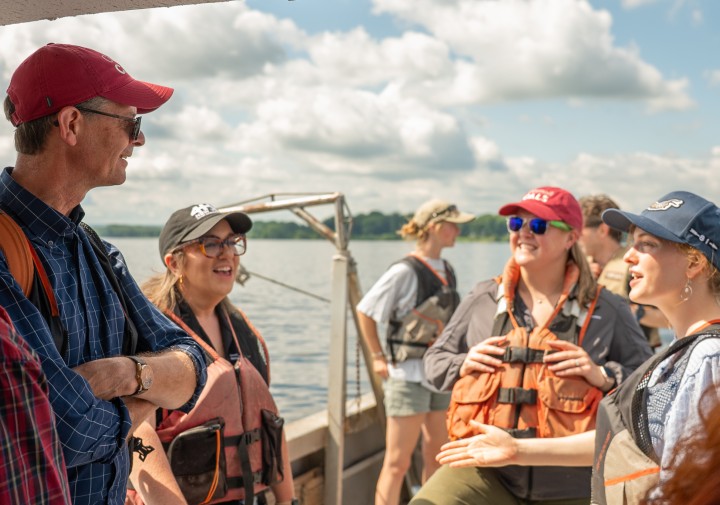
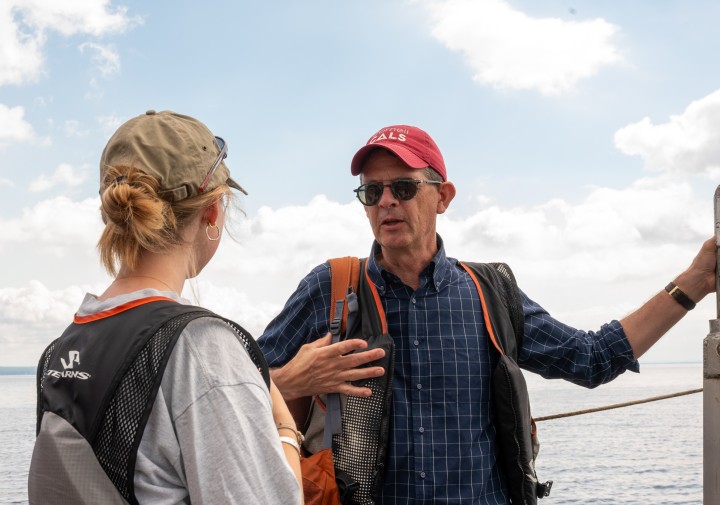
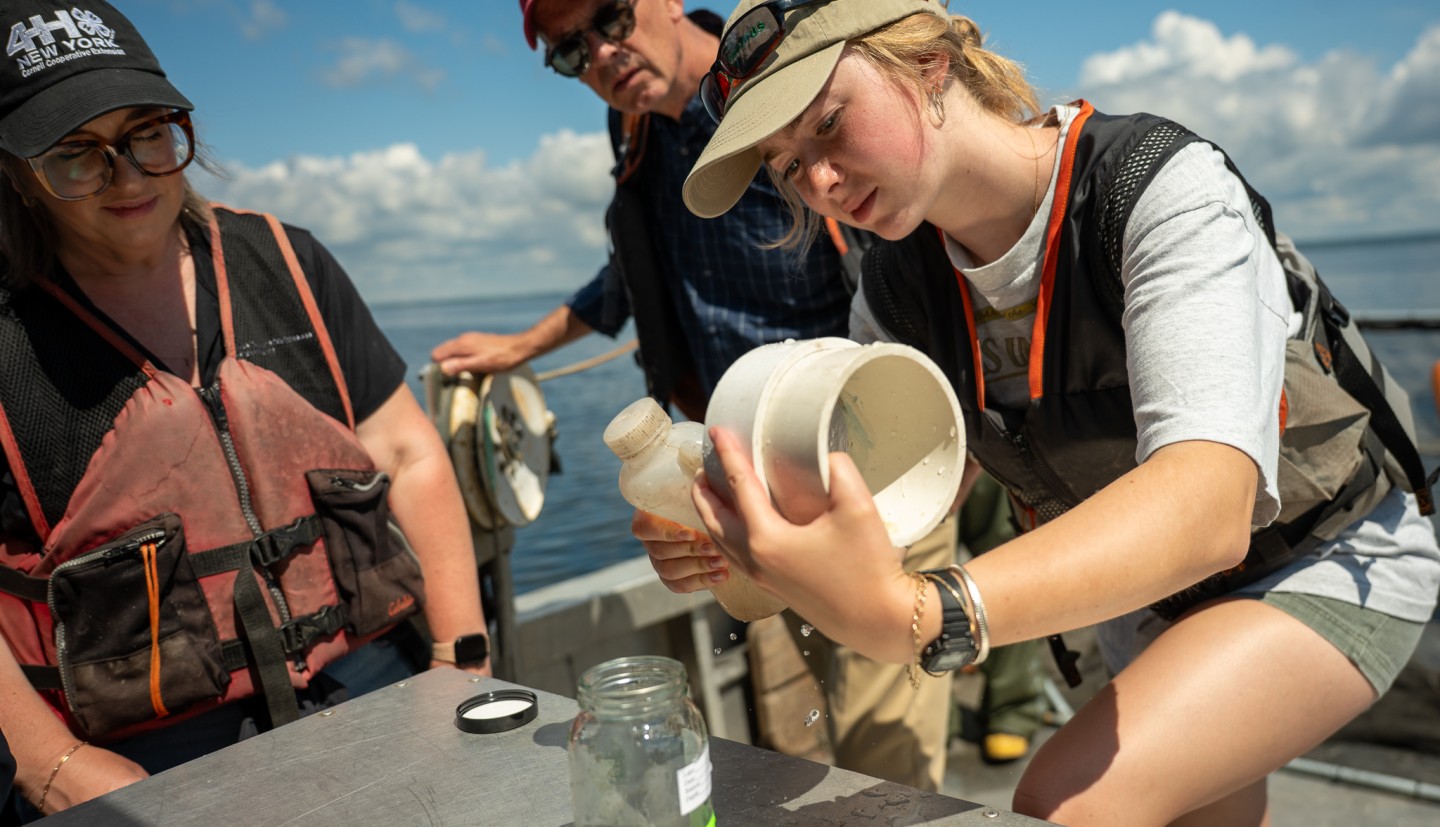
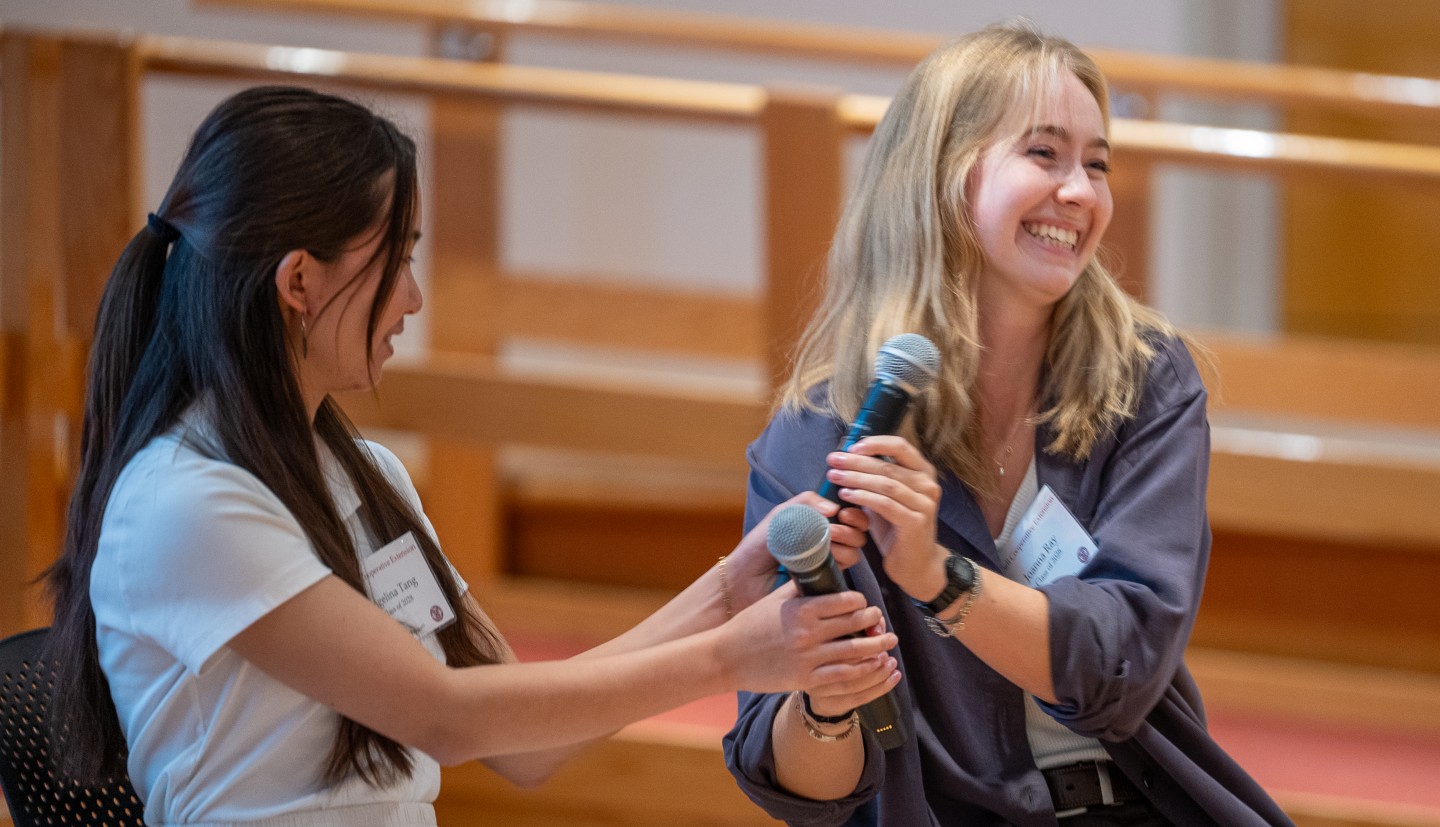
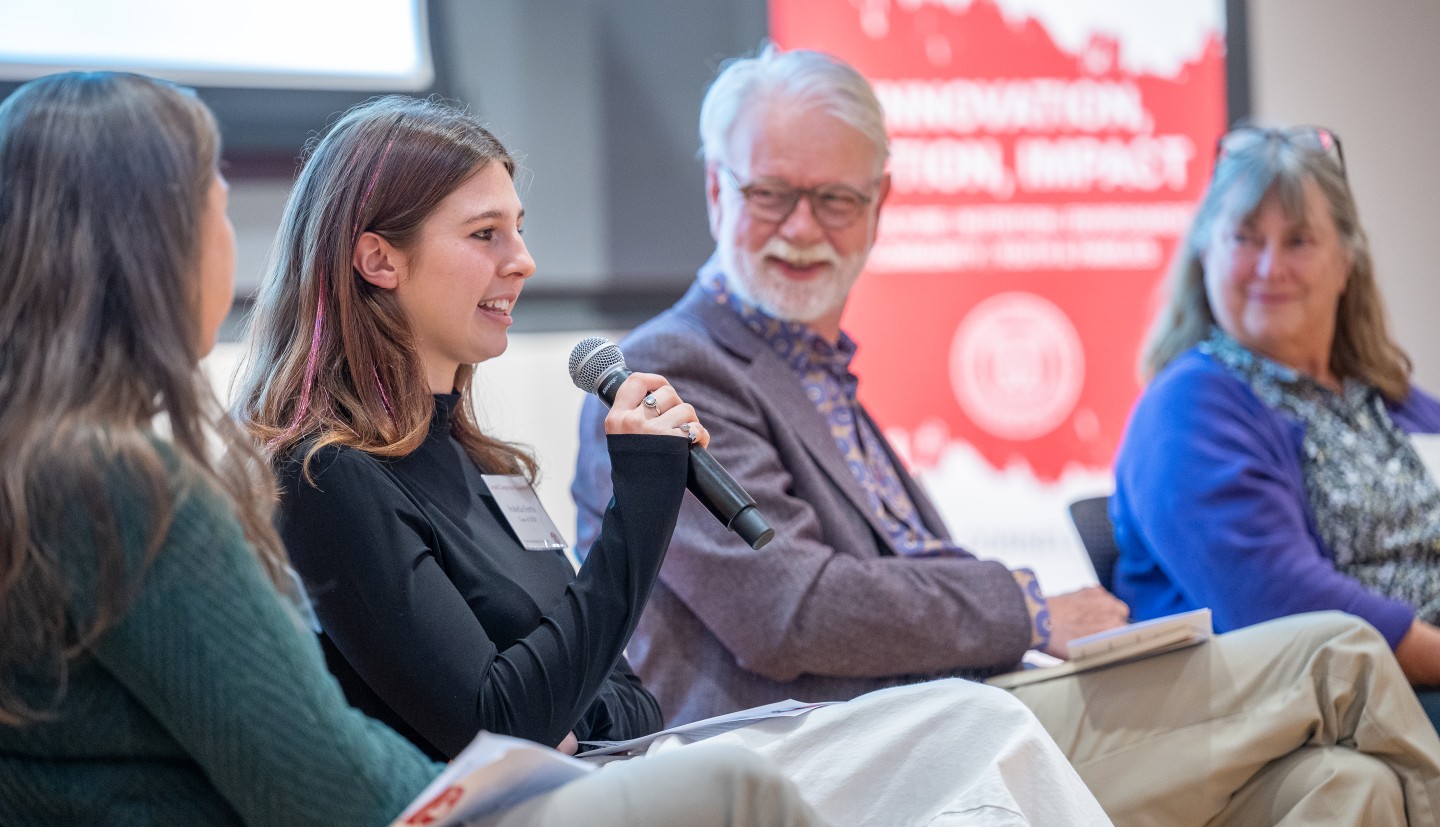
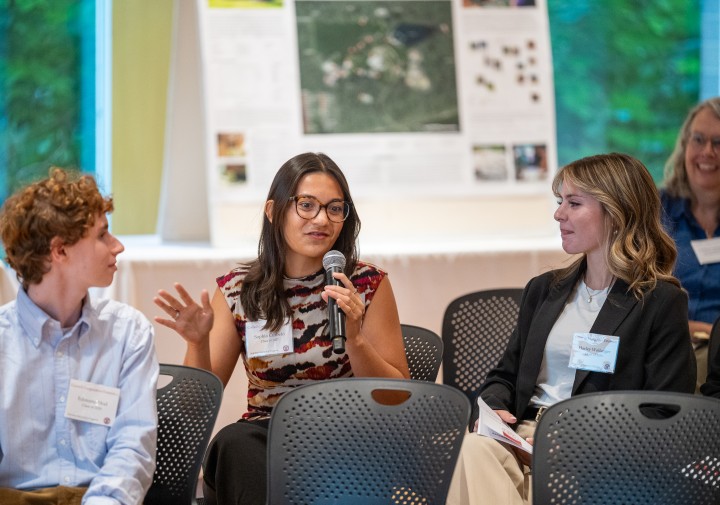
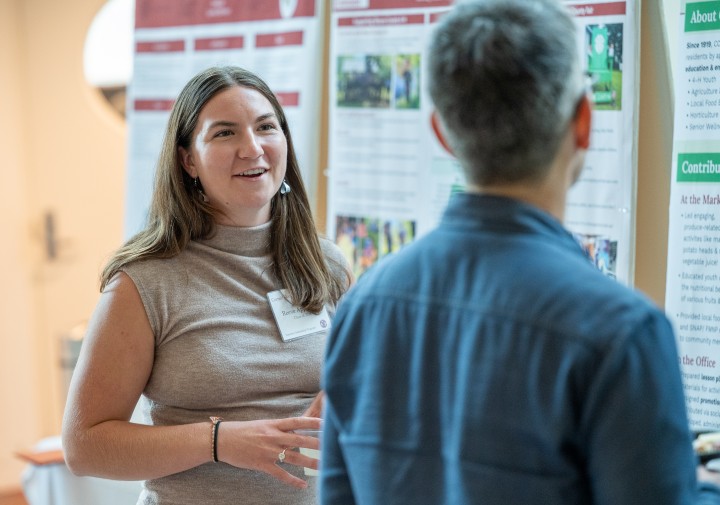
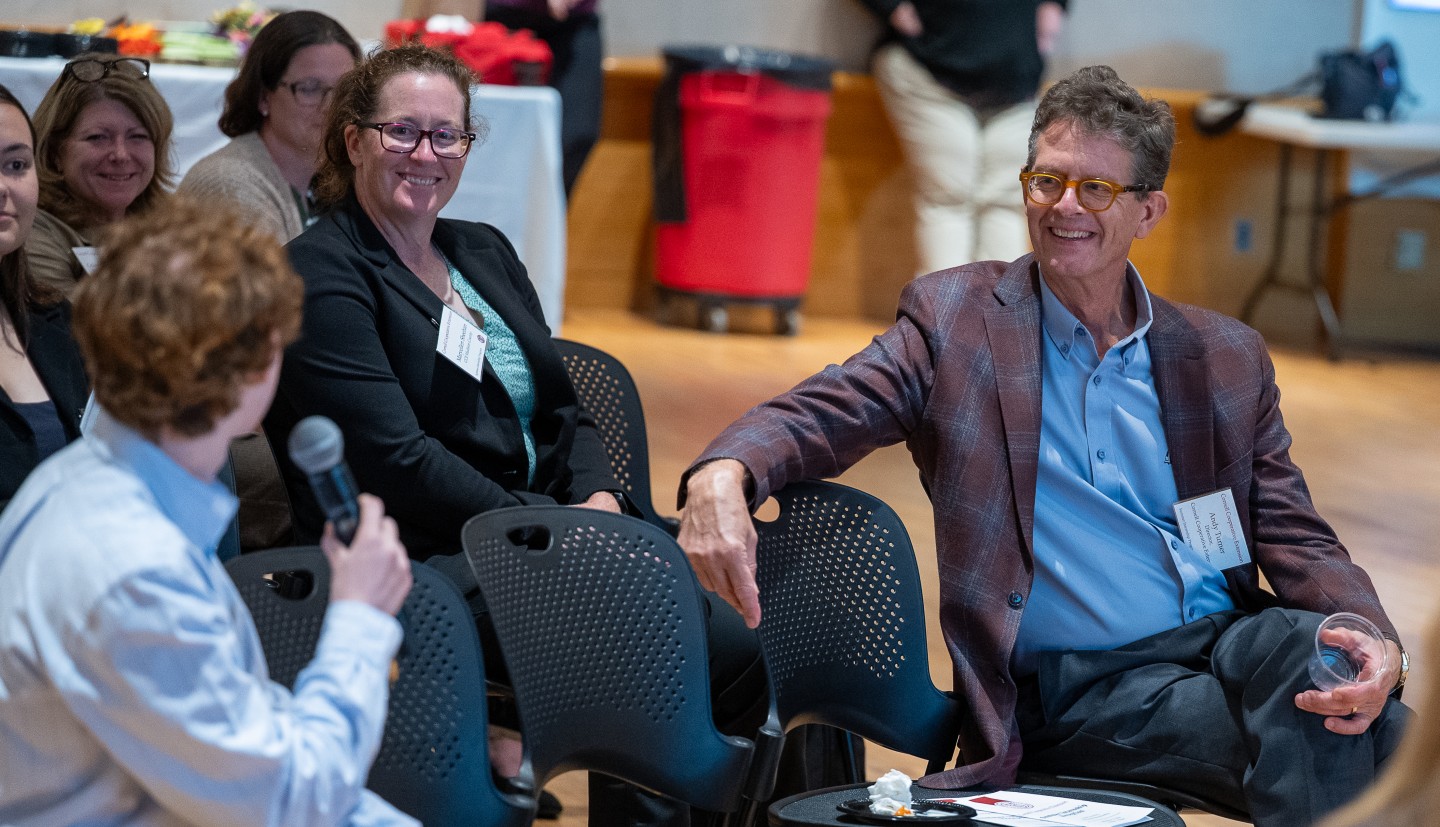
While many college students spend their summers unplugging and relaxing, 22 Cornell University students fanned out across New York state to bridge the gap between academic research and local communities. At the 19th annual Cornell Cooperative Extension (CCE) Summer Intern Reception, held September 22 on Cornell’s Ithaca campus, the students shared their experiences with Cornell faculty, CCE mentors and each other. 
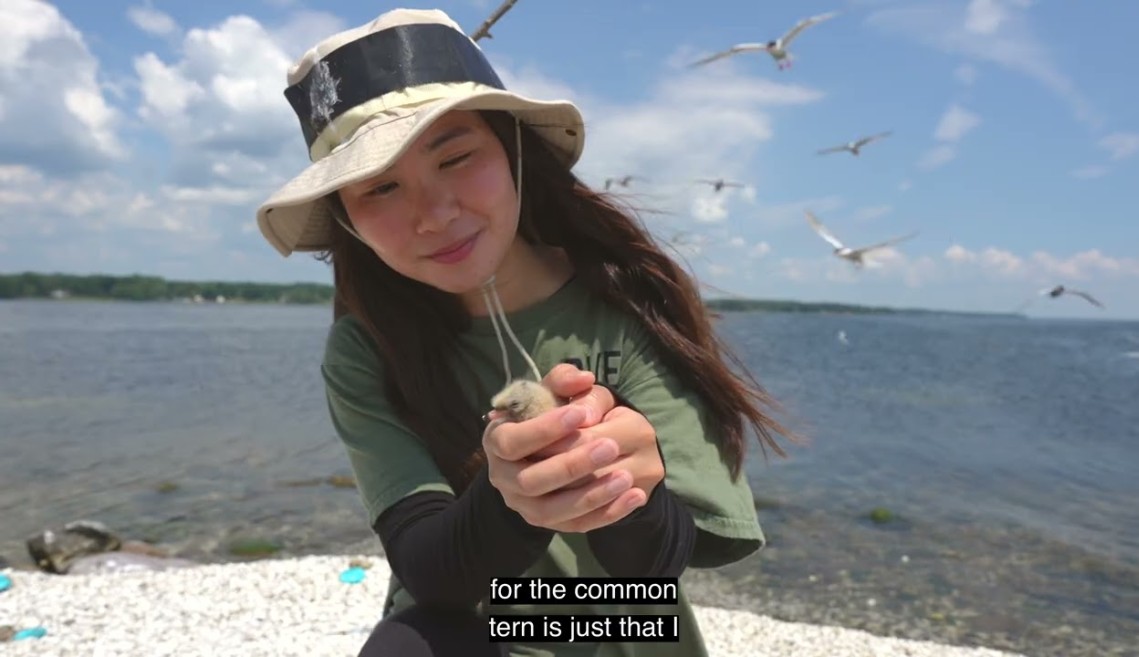
The CCE Summer Intern Program, places Cornell students (12 from the College of Agriculture and Life Sciences (CALS), seven from the College of Human Ecology (CHE), and three from the Einhorn Center for Community Engagement) in counties and boroughs across New York. From Suffolk to Monroe County and beyond, interns supported existing programs and developed new, innovative outreach initiatives. Their work embodied the spirit of Cornell's land-grant mission and highlighted the positive impact local extension offices have on their communities.

“I had the opportunity to visit some interns this summer,” CCE Director Andy Turner in his opening remarks at the reception, “and seeing the work being done was incredibly inspiring and uplifting .”

During the reception, Anna Lovat ’28, talked about embracing the challenges of connecting with new communities saying “"You have these different ecosystems of people, culture, and community,” she said. “It was very fulfilling to see what Extension educators are doing, learn from their methods, and then figure out how I can best support them.”

During a panel discussion, participants talked about the importance of engaging with communities and translating academic knowledge for a general audience. Joanna Ray '28 spoke about her experience living at the Cornell Biological Field Station at Shackleton Point and conducting outreach activities with youth. " One of my favorite things about the station is that you are able to just knock on someone's door and say, 'Hi, what are you doing? I want to help," she said. "and being able to learn that way was amazing.”

“Hosting interns has elevated our ability to connect with our surrounding community in so many ways.” Said James Watkins, Associate Director, Cornell Biological Field Station and Senior Research Associate, Natural Resources and the Environment Section, “Many new relationships are forged.”

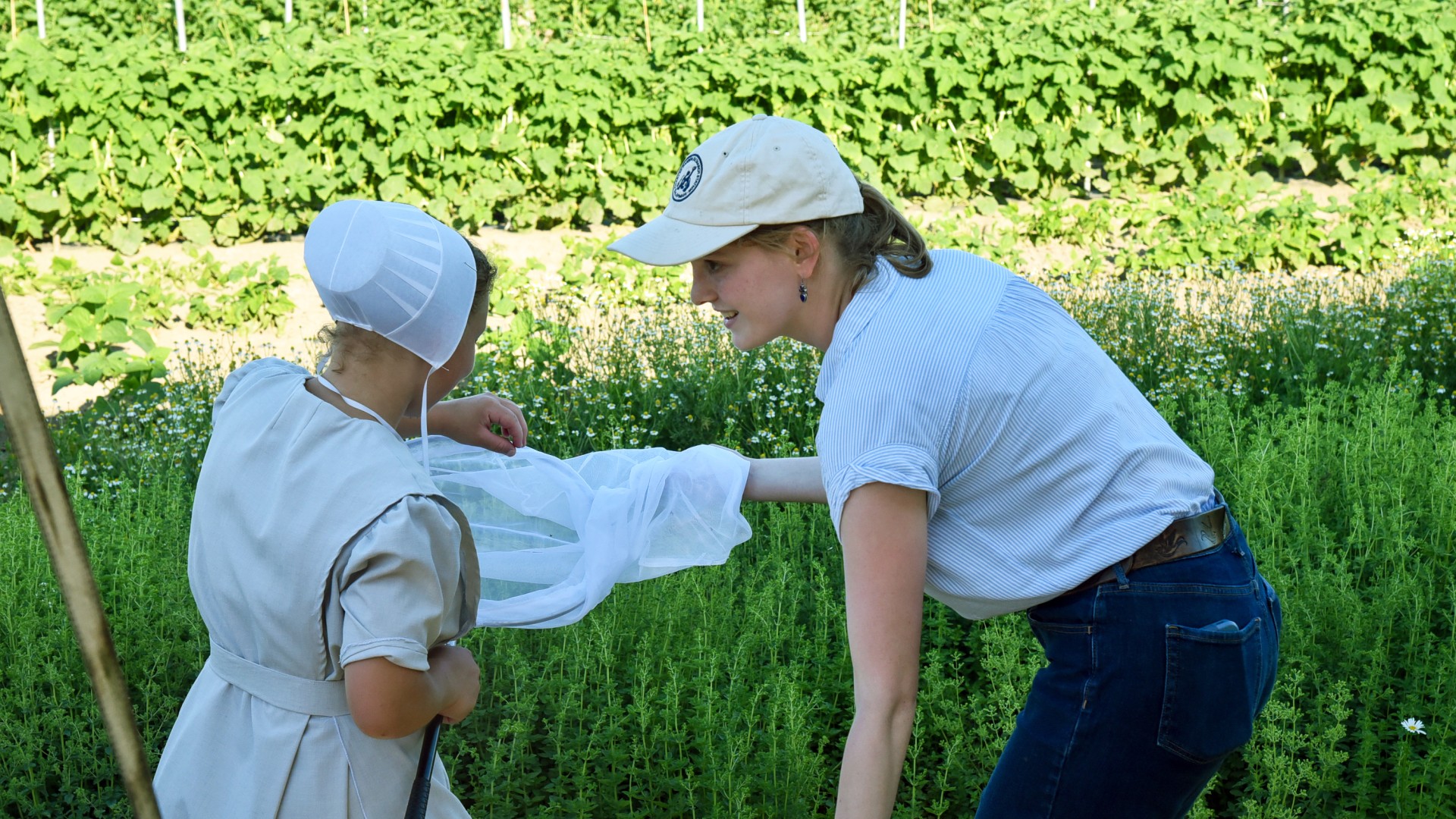
Arabella Ferris ’29 spent her summer working on the Organic Seed Production Research and Education on Yield (OSPREY) project. Talking about her experience Ferris said “I feel like I truly learned from the people I worked with. Crystal's influence on me has kind of reshaped what I think to be a leader."

Summing up a sentiment shared by many of this year's interns, Molly Heinzelman '27 reflected, "I've learned a lot about myself through this, and I wasn't expecting to do that. This experience definitely exceeded my expectations."

Keep Exploring

a man spreads handful of fishfeed in fish tank

Field Note

Tucked away across the street from Frank Morrison Hall, in an unassuming greenhouse, live a school of tilapia: a freshwater fish eaten around the world. Their home consists of a row of giant aquarium tanks alongside a forest of lush, crisp...
  • Animal Science
  • Fish
  • Animals
a glass of milk with splash

News

So why New York, and why now? New York has been experiencing a quiet revolution over the past quarter century. This has not only kept the state on the map in terms of continuing to be a leading dairy state but also appears to have seeded a surge...
  • Dairy
  • Cornell Cooperative Extension
  • Animal Science