
Launched in 2021, Muhogo Bora is a partnership between Cornell University, the Tanzania Agricultural Research Institute (TARI), and the International Institute of Tropical Agriculture (IITA). Together, we’re working to improve livelihoods and strengthen communities through seed system change and economic support initiatives by expanding access to improved cassava varieties and supporting farmers—especially women and youth—as Cassava Seed Entrepreneurs (CSEs) in the Western Zone, Central and Southern Highlands regions. 

Why Cassava?

Cassava is a staple crop for millions of Tanzanians. It grows well in challenging and changing growing conditions, provides food and income, and plays a key role in household resilience.

Muhogo Bora was get improved cassava varieties into hands of more farmers and to support seed systems that are more reliable, inclusive, and responsive to farmers’ needs. 

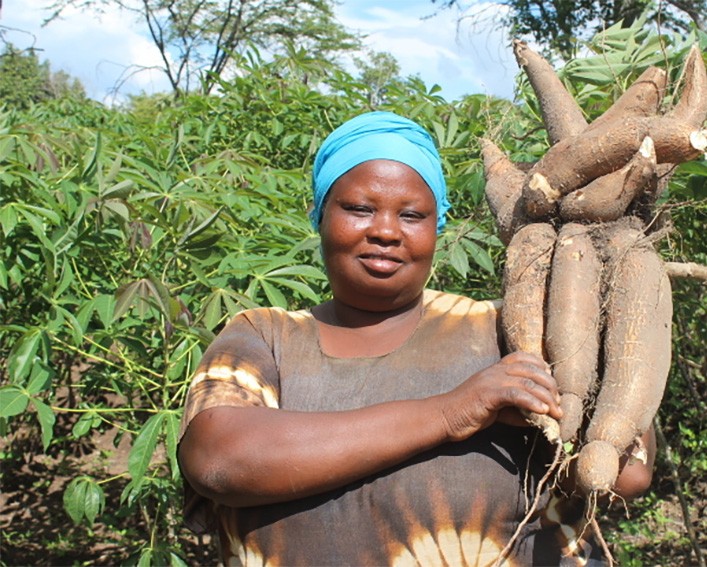
man with large cassava root

What is a CSE (Cassava Seed Entrepreneur)?

Cassava Seed Entrepreneurs (CSEs) are trained farmers who produce and sell certified cassava planting materials. As trusted community leaders, CSEs help ensure that improved varieties—those with higher yields, better disease resistance, and traits consumers value—reach the farmers who need them most. 

By building networks of well-supported CSEs, Muhogo Bora is helping strengthen local seed systems, boost cassava production, and create new economic opportunities for women and youth in rural areas.

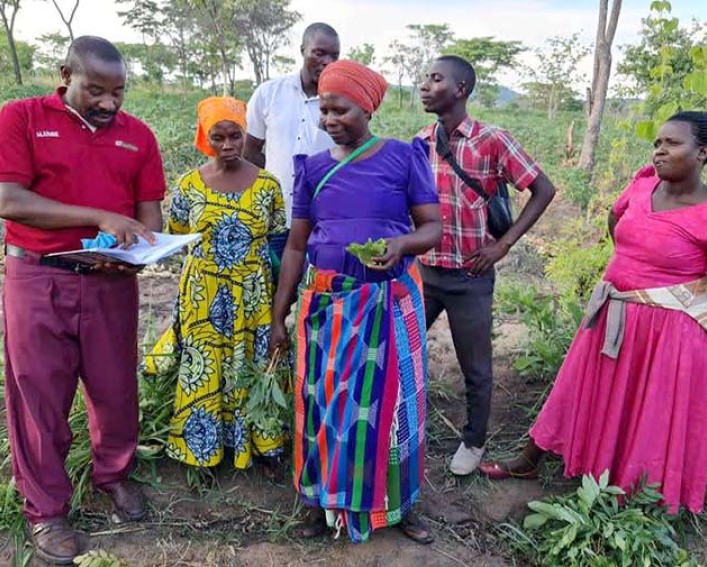
famers with advisor

Why are Cassava Seed Entrepreneurs important?

A big challenge in cassava production is access to clean, high-quality planting material. While improved varieties exist, getting them to small-scale farmers remains a bottleneck—especially in more remote or underserved areas.

Muhogo Bora helps address this gap by supporting Cassava Seed Entrepreneurs (CSEs), who are local farmers trained to multiply and share improved seed. This approach helps solve two problems at once—expanding access to better varieties, while also creating economic and social opportunities for farmers, particularly women and youth, to grow cassava for both seed and food. It’s a practical way to strengthen local seed systems and support resilience in rural communities.

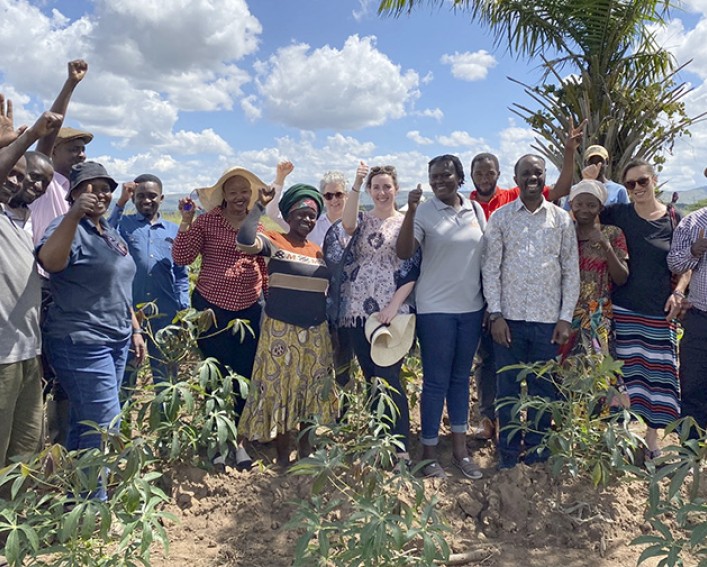
group in casava field

Why Focus on Women Farmers?

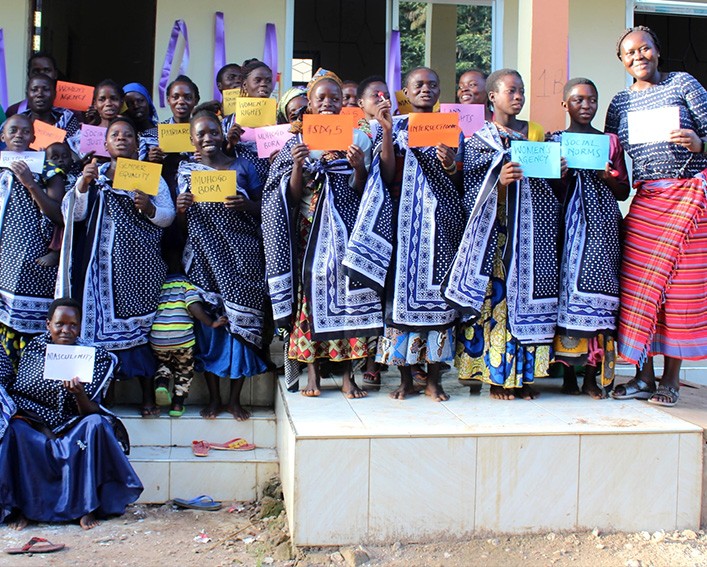
By bolstering opportunities for women and youth, the whole community benefits. Women play a central role in cassava production—especially in harvesting, processing, and marketing—but often face barriers to resources and opportunities. Many have limited access to quality planting material, training, or participation in higher-value markets.

Muhogo Bora addresses these gaps by directly supporting women to become Cassava Seed Entrepreneurs, offering training, resources, and strategies designed to overcome gender-based constraints. When women have greater access to improved varieties and more opportunities to lead, it strengthens food security and economic resilience for entire households and communities.

women with cards

The Muhogo Bora process

The key to Muhogo Bora's impact is the process that begins with community engagement, empowers farmers at every step of the process and provides on-going support.


process graphic
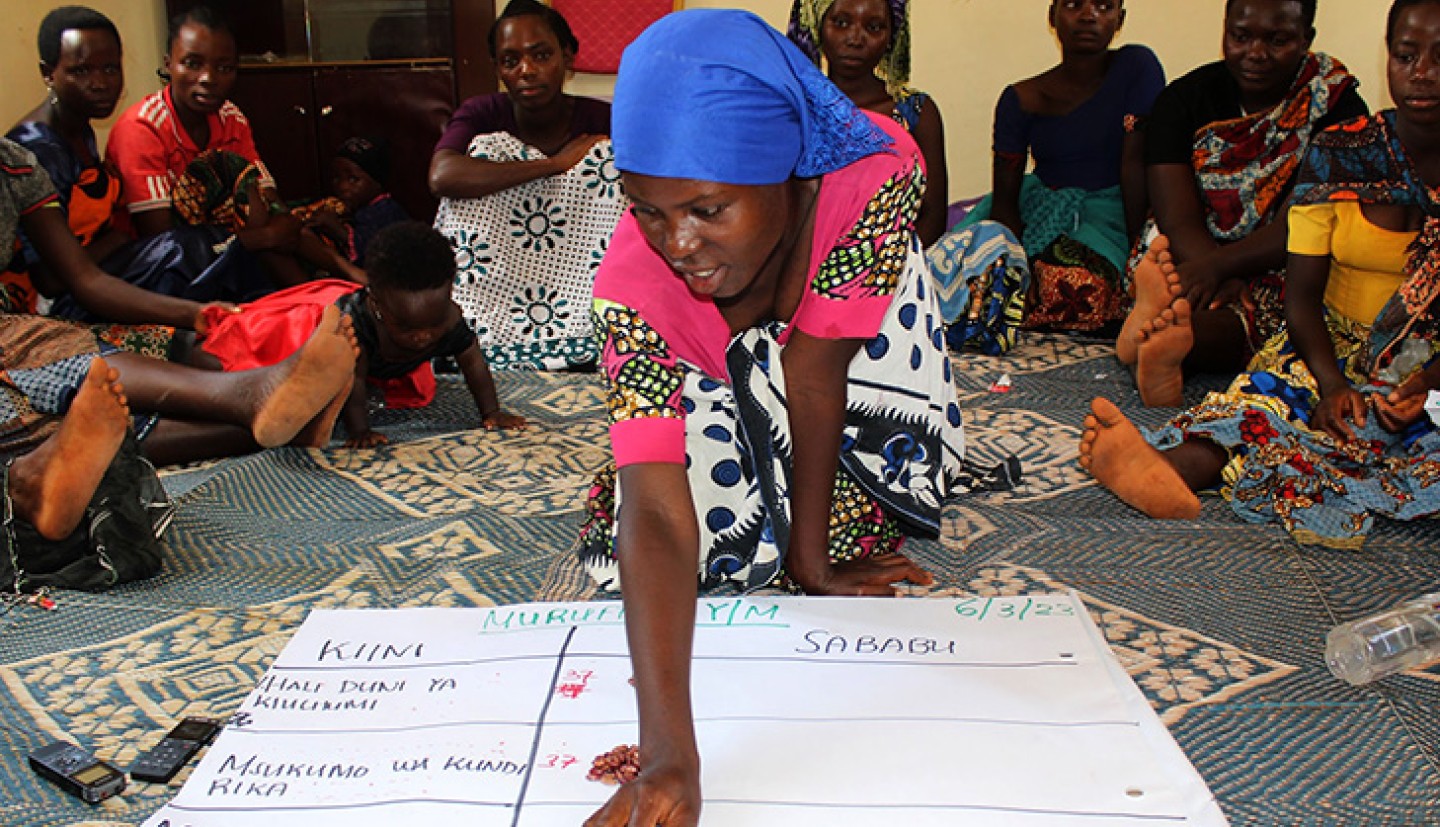
  • Community engagement: Hold meetings to introduce Cassava Seed Entrepreneurs (CSE) program using gender-inclusive facilitation.  Invite spouses and offer childcare to increase accessibility.
  • Variety selection: Select improved, high-yielding and disease-resistant varieties aligned with local and market preferences, informed by research and local knowledge.
  • Seed source setup: Establish demonstration plots and starter seed supply.  Prioritize sites with access for women and youth.
  • CSE (Cassava Seed Entrepreneur) recruitment: Recruit women and youth to be trained as Cassava Seed Entrepreneurs (CSEs) using inclusive criteria and considering informal experience, availability, and interest.
  • Training: Hold trainings for technical entrepreneurial, and gender empowerment skills, with sessions on financial literacy, decision-making and leadership.
  • Registration: Register cassava seed with Tanzania Official Seed Certification Institute (TOSCI) to build legitimacy and market access.  Mentor women through the process.
  • Land preparation and planting: Provide technical support and tools for site preparation.  Ensure women are able to easily access sites.  Support joint land decision-making where needed.
  • Monitoring and mentorship: Provide ongoing support to Cassava Seed Entrepreneurs (CSEs) through regular check-ins, peer mentorship, and adaptive coaching, including strategies to address gender-based challenges.
  • Harvest and distribution:  Cassava Seed Entrepreneurs (CSEs) harvest their cassava and are able to seel both seed and root.  Program supports links to buyers and markets.
  • Continued support: Provide ongoing monitoring and mentorship after the first year to support long-term success.

Images above: Tanzania’s national agricultural research institute, TARI, is responsible for a crucial function of Muhogo Bora: growing clean cassava cuttings and doing the difficult work of delivering them to rural CSEs for planting.

Empowered

  • 242 rural farmers empowered as CSEs
  • 67% women and youth

Distributed

  • 1.8 million cassava seeds of improved varieties

Planted

470 acres with improved cassava varieties

Over the first three years of the project, Muhogo Bora has supported the growth of Cassava Seed Entrepreneurs (CSEs) and expanded networks across Tanzania. This work has improved access to high-quality planting materials, supported rural livelihoods, and helped strengthen local seed systems.

The project has developed strategies to increase participation from women and youth, and offered training for extension agents and local officials. These efforts are laying the groundwork for a more inclusive and sustainable seed sector.

Sustainable & inclusive CSE model

Building on the successes of Phase 1, we are scaling out the model of Cassava Seed Entrepreneurs (CSEs) to new regions, with a continued focus on engaging women and youth. In parallel, we work to increase awareness and adoption of clean, certified seed to drive demand and strengthen the seed value chain nationwide.

Economic linkages & crop integration

We are strengthening market access, information flow, and policy support to enhance the productivity, inclusivity, and competitiveness of CSEs along the cassava value chain — including commercialization, value addition, aggregation, and contract farming. We also promote the integration of other nutritious crops like orange-fleshed sweet potato and iron-rich beans, through both established CSEs and school-based interventions.

Enabling & evidence-driven environment for CSEs

We are working to strengthen the policy and regulatory framework for seed quality and certification, while generating actionable evidence through gender-intentional research and monitoring, evaluation, and learning (MEL). We practice inclusive, data-driven decision-making, and amplify our impact through targeted communications, knowledge sharing, and advocacy.

We are currently working to:

  • Recruit at least 300 new CSEs in strategically targeted wards and districts, with the goal that 70% of these new enterprises are led by women and/or youth.
  • Train new CSEs on GAPs, seed laws, digital tools, financial literacy, and seed multiplication techniques. The Muhogo Bora Project team and extension network will also provide support for seed delivery and inspection.
  • Conduct impact analyses with CSEs, helping ensure the project remains inclusive and effective, and providing insights to guide approach and strategy for future activities.

News

cross-section of a cassava

News

Cornell-led initiative boosts access to healthy cassava seed in Tanzania

A $4.8  million gift will allow Cornell and partners to expand a project to improve Tanzania’s cassava seed system.

  • School of Integrative Plant Science
  • Agriculture
  • Food
Group draws on poster during a workshop

News

Many obstacles prevent women from participating as seed entrepreneurs in the commercialized formal seed system delivery models, despite the fact that they are essential to informal seed exchanges, crop diversity maintenance, production...
  • Department of Global Development
  • Global Development
Group poses at workshop

News

The Muhogo Bora is a three-year project executed by Cornell University College of Agriculture and Life Sciences , and implemented by the International Institute of Tropical Agriculture (IITA) and Tanzania Agricultural Research Institute (TARI)...
  • Department of Global Development
  • Global Development
Woman stands in field

News

The United Nations General Assembly declared every October 15, as the International Day of Rural Women. This day is dedicated to celebrating the achievements and contributions of millions of women living in remote, rural places towards rural...
  • Department of Global Development
  • Agriculture
  • Global Development