Continuing education

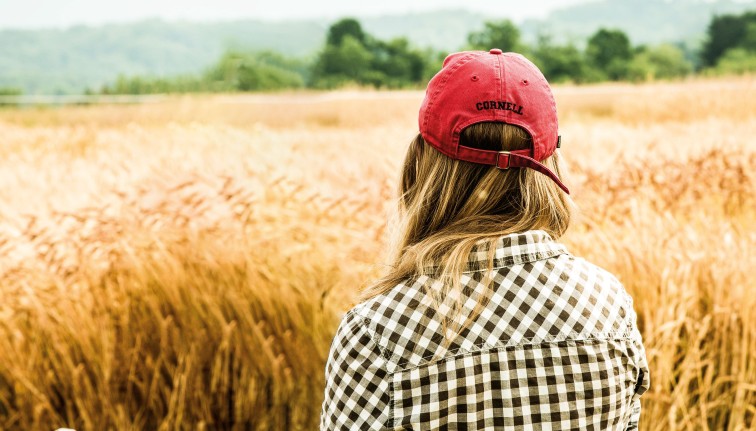
Our school is committed to lifelong learning, offering a wide range of programming and skill building for children and adults alike. See featured education programs to take advantage of these opportunities, including online courses and seminar, garden tours and more.

News from the School of Integrative Plant Science

Learn about the many ways we are addressing some of the world's most urgent challenges.

A student working in the lab holding a petri dish

Spotlight

CALS highlights some of the strategies the college and its community members are adopting to improve diversity in faculty, staff and student recruitment and retention.
  • Earth and Atmospheric Sciences
  • Ecology and Evolutionary Biology
  • Microbiology
William Rutter in a greenhouse

News

A Cornell program, Breeding Insight, is adding seven new plant and animal species to its arsenal of supported specialty crops and animals for 2022.
  • School of Integrative Plant Science
  • Plant Breeding and Genetics Section
  • Animals
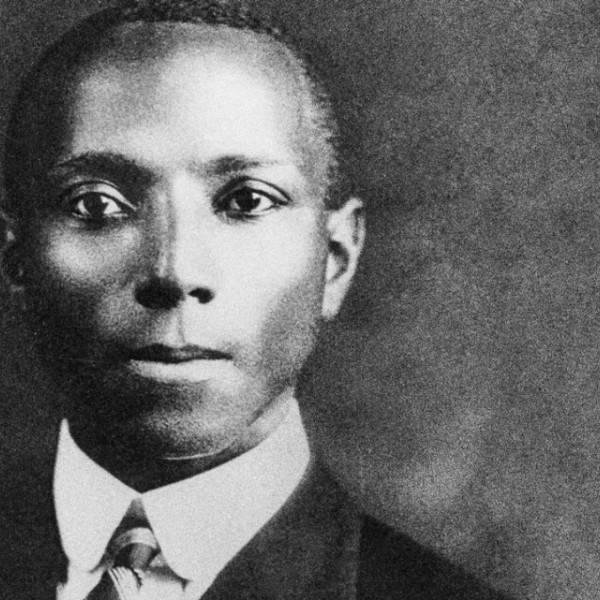
A headshot of Thomas Wyatt Turner, Ph.D. 1921

News

Thomas Wyatt Turner, Ph.D. 1921, was the first Black person at Cornell to earn a doctorate and the first Black person in the nation to earn a doctorate in botany. He was also a pioneer in the civil rights movement.
  • Global Development Section
  • School of Integrative Plant Science
  • Agriculture
Two alumni growing cannabis.

News

Cameron Wesley Scott, M.M.H. ’21, and Jeremiah Swain, M.M.H. ’20, hope to create one of upstate New York’s first boutique cannabis hotels and make social change at the same time.
  • School of Integrative Plant Science
  • Plants

Land Acknowledgment

Cornell University is located on the traditional homelands of the Gayogo̱hó:nǫɁ (the Cayuga Nation). The Gayogo̱hó:nǫɁ are members of the Haudenosaunee Confederacy, an alliance of six sovereign Nations with a historic and contemporary presence on this land. The Confederacy precedes the establishment of Cornell University, New York state, and the United States of America. We acknowledge the painful history of Gayogo̱hó:nǫɁ dispossession, and honor the ongoing connection of Gayogo̱hó:nǫɁ people, past and present, to these lands and waters.

This land acknowledgment has been reviewed and approved by the traditional Gayogo̱hó:nǫɁ leadership. Learn more from the American Indian and Indigenous Studies Program website.