


Degree programs
The School of Integrative Plant Science is the largest academic unit in Cornell's College of Agriculture and Life Sciences. Faculty and staff in the school's five sections support two undergraduate majors, 12 MPS concentrations and five graduate fields.

Continuing education

News from the School of Integrative Plant Science
Learn about the many ways we are addressing some of the world's most urgent challenges.
News
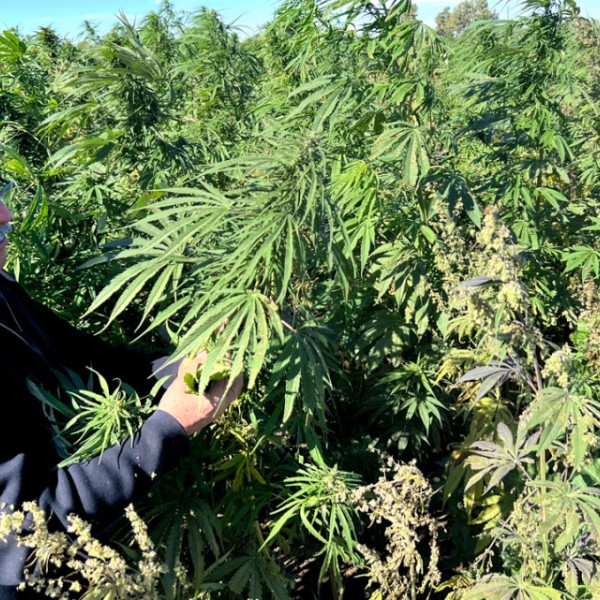
Ursa Alta will supply material for multiple product streams, including textiles such as denim, animal bedding and wall insulation.
News
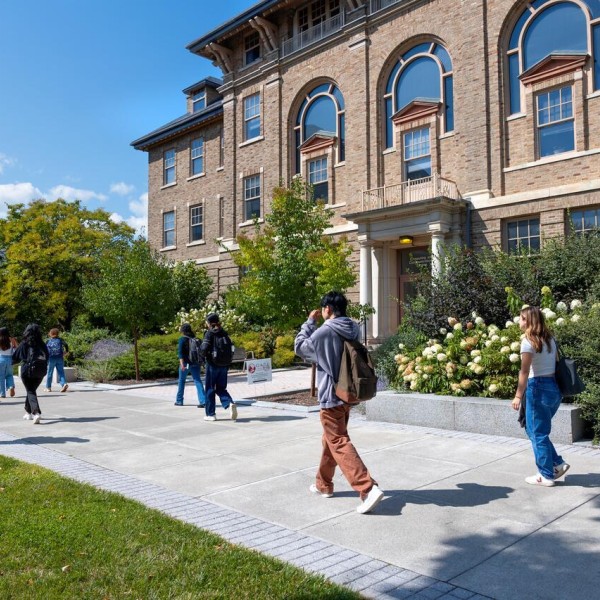
With the end of another academic year in sight, we’d like to recognize the CALS class of 2026. Throughout their Cornell journey, our students explored purpose‑driven science, cultivated their passions and built meaningful connections. Guided by...
News
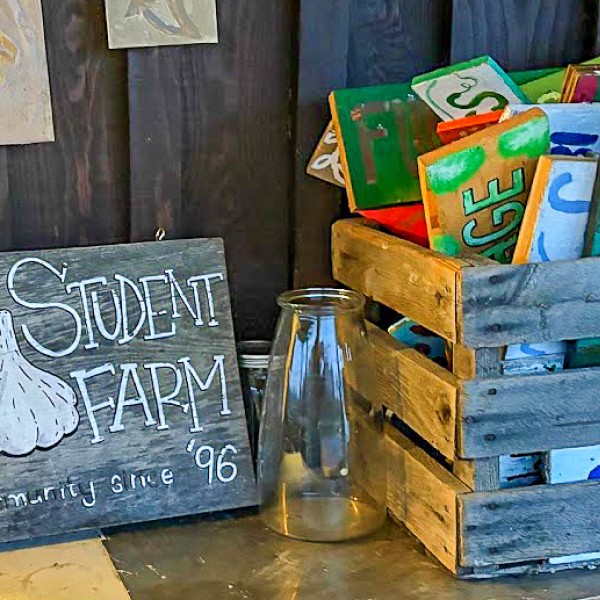
The life of a Dilmun Hill Student Farm manager isn’t a typical year for a student at Cornell University. A steady stream of visitors visit the farm to pick up produce at the market garden, attend community events and conduct research. A new...
News
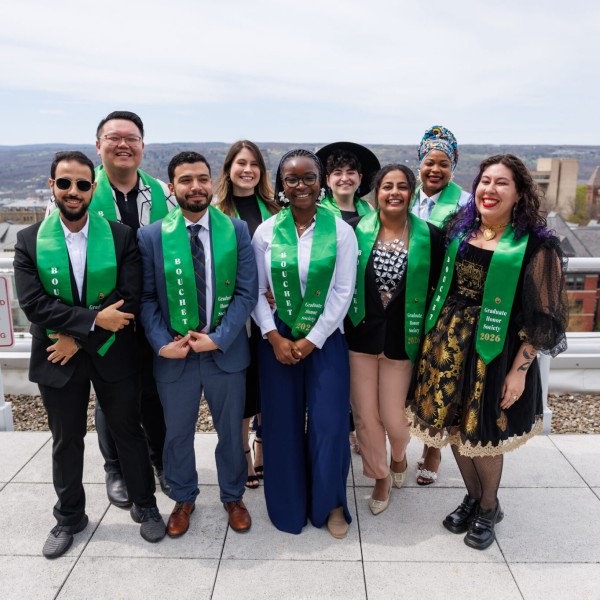
Ten doctoral candidates were inducted into the Cornell Chapter of the Bouchet Graduate Honor Society, which recognizes outstanding scholarly achievement and service in doctoral education.