


Degree programs
The School of Integrative Plant Science is the largest academic unit in Cornell's College of Agriculture and Life Sciences. Faculty and staff in the school's five sections support two undergraduate majors, 12 MPS concentrations and five graduate fields.

Continuing education

News from the School of Integrative Plant Science
Learn about the many ways we are addressing some of the world's most urgent challenges.

Spotlight
Cornell University’s berry team provides expertise in horticulture, entomology, plant pathology, agricultural economics, plant breeding and management practices for New York state’s $20 million berry industry.
News
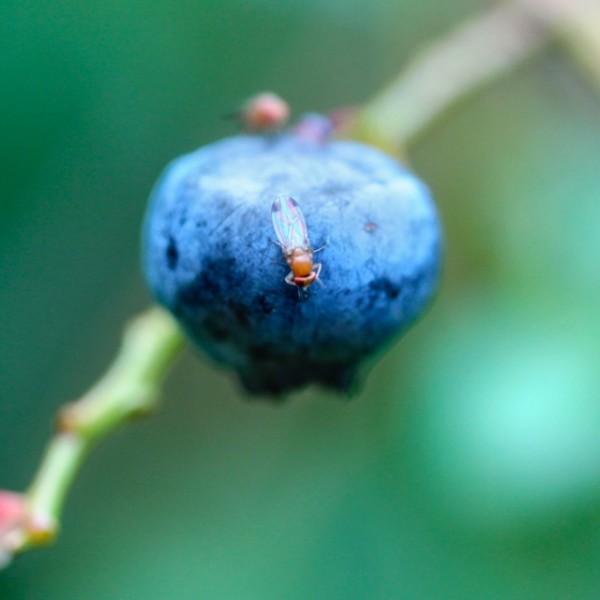
With New York state’s $20 million berry industry entering peak season, an invasive fruit fly is thriving. Female spotted-wing drosophila (Drosophila suzukii Matsumura) have a special ovipositor (a tube through which a female insect deposits eggs...
News
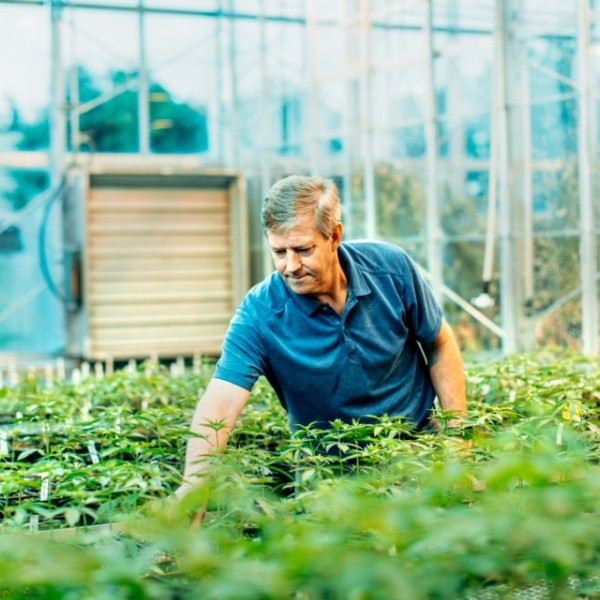
The 2018 Farm Bill changed federal policy regarding industrial hemp, including the removal of hemp from the Controlled Substances Act and the consideration of hemp as an agricultural product. The change created an agricultural opportunity...

News
For the last seven decades, Cornell University’s College of Agriculture and Life Sciences (CALS) has been leading the fight against nematodes—invasive, microscopic worms that can destroy seasons’ worth of crops. However, researchers had been...