


Our Four Grand Challenges
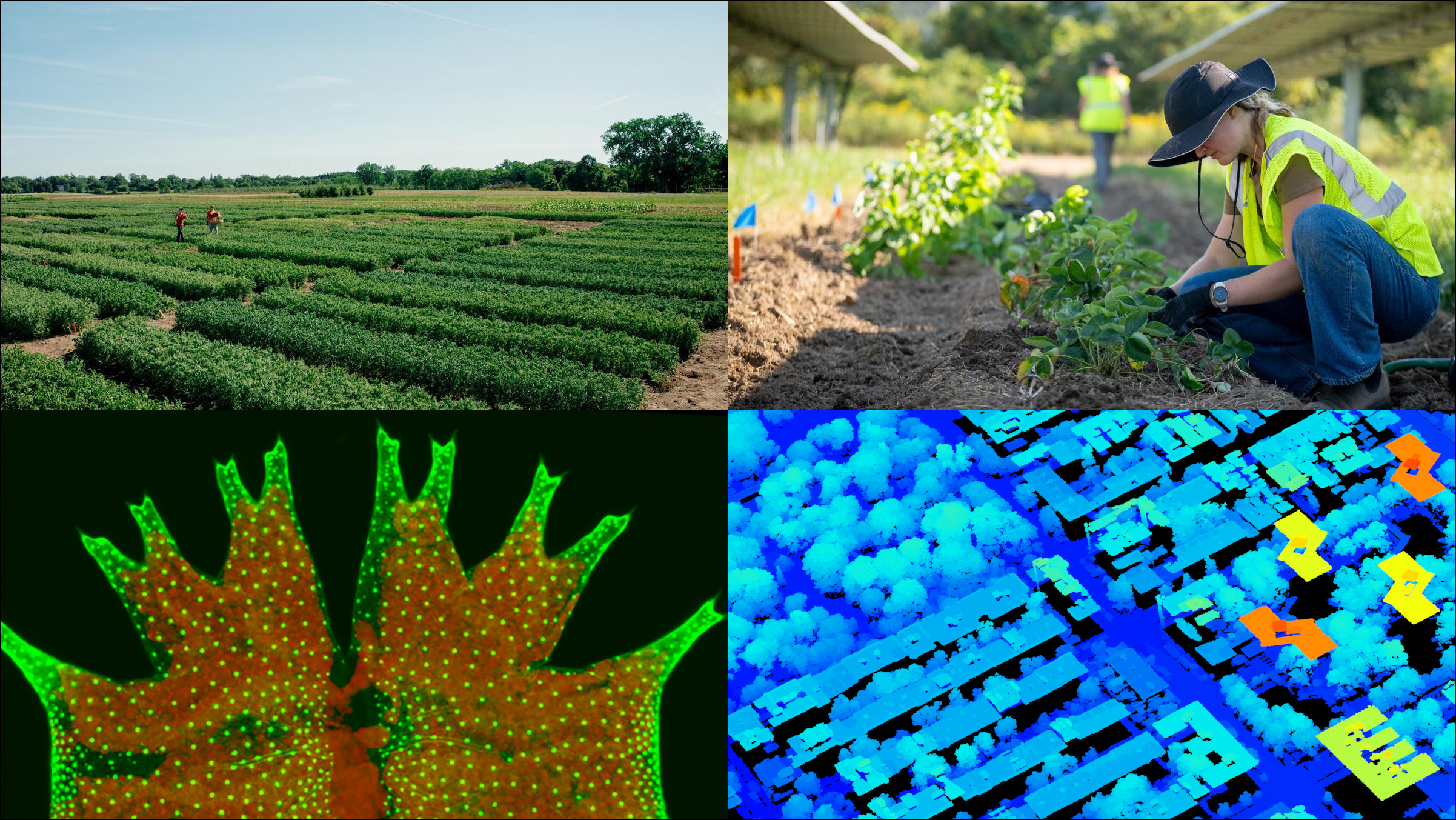
Sustainable crop production and food security
Safeguarding future food security for all with sustainably managed nutritious crops in diverse production systems, under a changing climate, with minimal loss to weeds and pathogens.
Plants and ecosystem health
Integrating climate change mitigation and adaptation to secure ecosystem and human health and foster climate justice in diverse environments.
Biodiversity, evolution, and molecular mechanisms
Understanding plant processes from molecular to ecosystem levels, and harnessing fundamental knowledge of plants, their associated microbes, and their relationships with the environment.
Urban plants and ecosystem services
Enhancing food access and ecosystem services for equitable human and ecosystem health in high population areas.
Make a difference! Study plant and agricultural sciences at Cornell.
Learn more about undergraduate majors in the School of Integrative Plant Science:


School of Integrative Plant Science News
Learn how our research in plant and soil sciences is advancing our knowledge and securing food security and environmental sustainability. Stories from the College of Agriculture and Life Sciences newsroom.
News
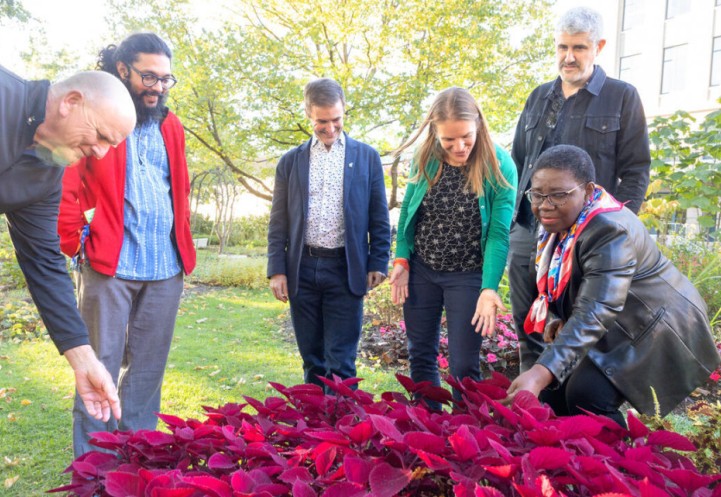
The Cornell-led multi-institutional Center for Research on Programmable Plant Systems will continue work to transform agriculture by enabling direct two-way communication with crop plants’ internal processes.

News
As an undergraduate researcher, Maya Mangala-Munuma '25 found that trees were three times more likely to be damaged in impoverished, racially diverse neighborhoods.
News
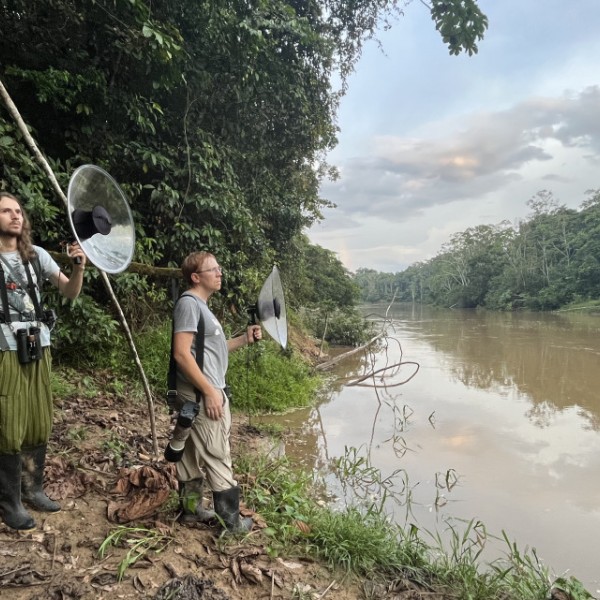
Cornell faculty are invited to apply for Global Hubs Research Seed Grants by Oct. 14 to launch new international collaborations with researchers at Global Hubs partner universities.

We openly share valuable knowledge.
Sign up for more insights, discoveries and solutions.