


Report
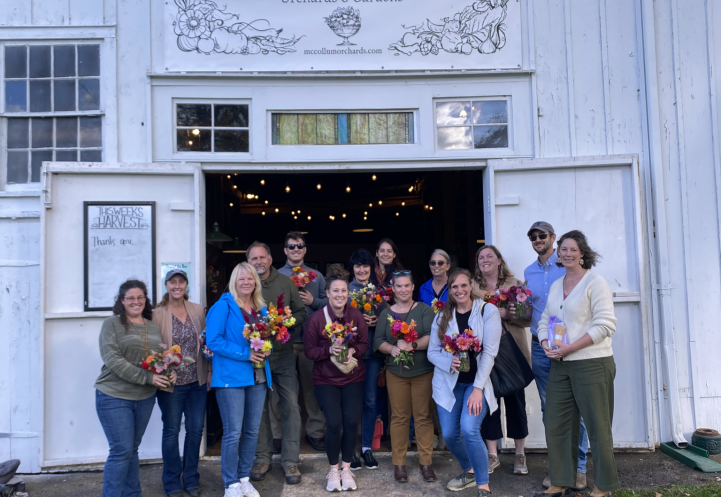
Relevance Agritourism has become an increasingly important strategy for farm diversification and economic sustainability in New York. According to the 2022 USDA Census of Agriculture, 947 New York farms offered agritourism, generating $55.5...
Report
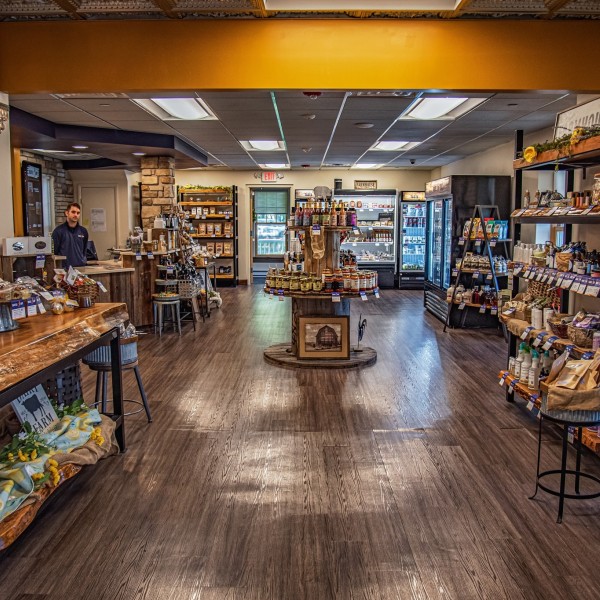
Relevance Small and emerging food and beverage businesses across New York State often face barriers to entering competitive retail markets, including limited distribution networks, high marketing costs, regulatory requirements, and restricted...
Report
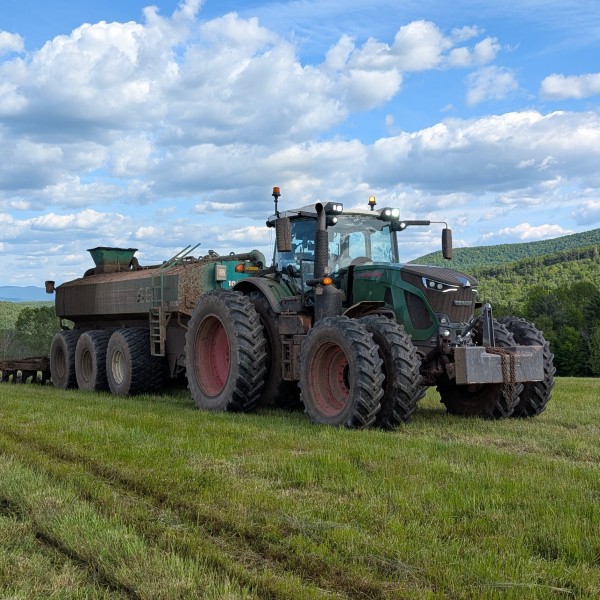
Relevance Farmers across New York face rising input costs, labor shortages, and increasing environmental regulations that affect profitability. Small, dispersed fields and limited access to custom services can slow adoption of cost-saving...
Report
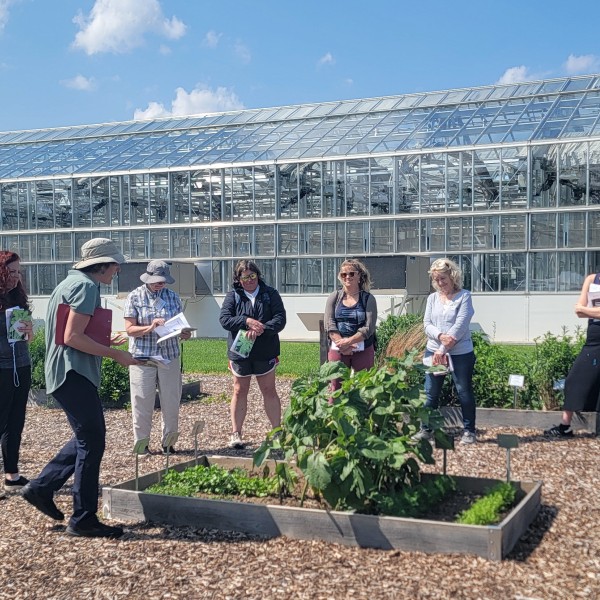
Relevance Many New York State residents want to grow their own food but face barriers, including limited gardening knowledge, a need for hands-on training, and disconnection from local resources and support. The Seed to Supper program is carried...
Report
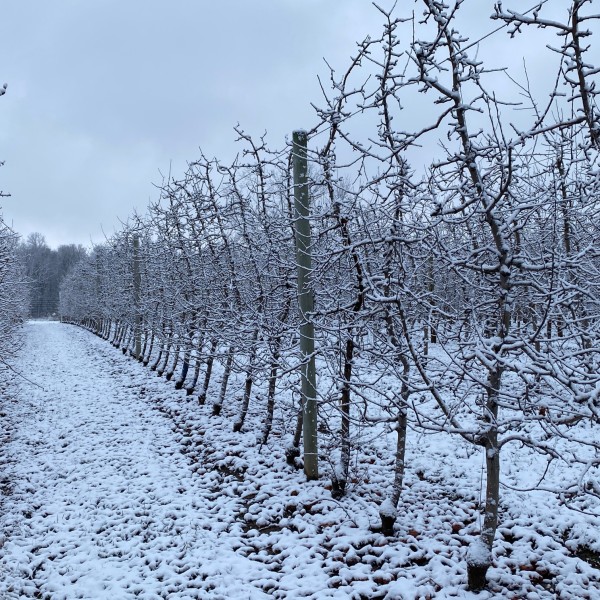
Relevance Winter freeze events can damage apple tree vascular tissues, leading to decline, reduced productivity, and economic loss. Growers have reported unexplained tree weakening but often lack clear guidance on how rootstock cold hardiness...
Report
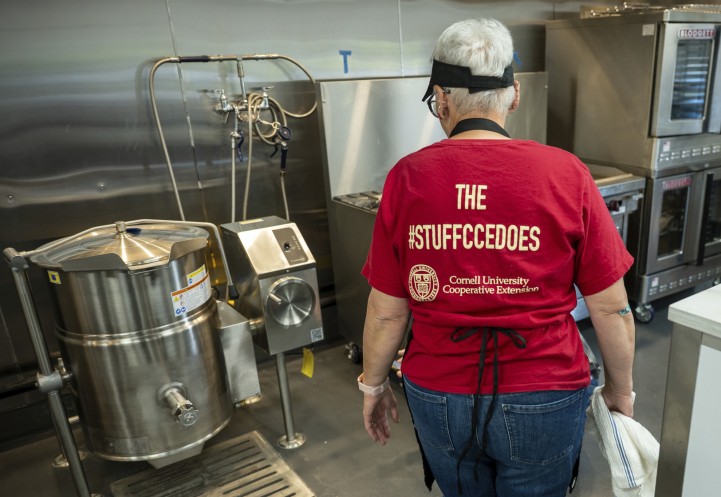
Relevance Access to licensed commercial kitchen space is a significant barrier for food entrepreneurs seeking to start or expand value-added food businesses. Without appropriate facilities, small businesses face challenges meeting food safety...
Report
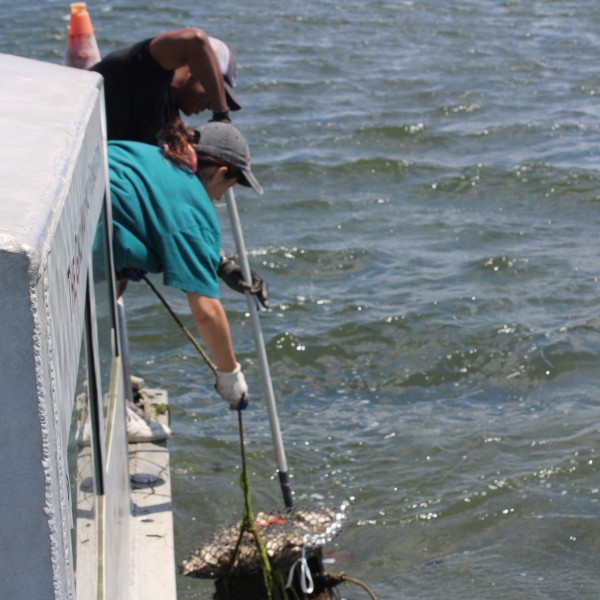
Relevance New York’s oyster populations have declined significantly since the 19th century, with an estimated 1 percent of historic oyster reefs remaining due to overharvesting and degraded water quality. In Nassau County, elevated nitrogen...
Report
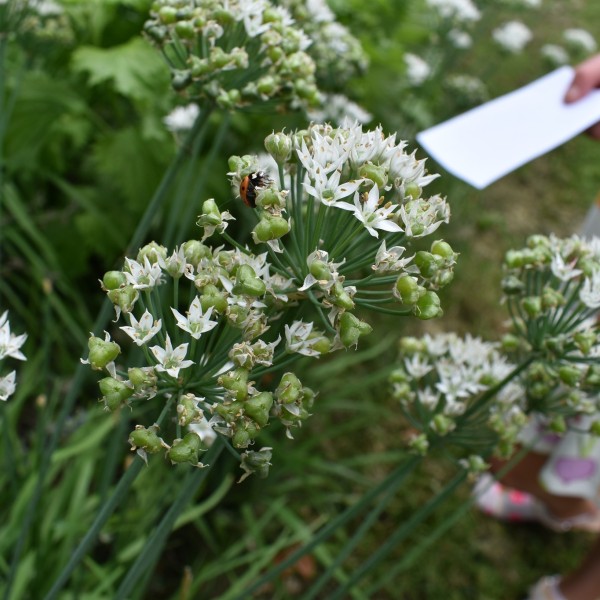
Relevance In New York, most insect pest outbreaks are naturally suppressed by predators such as lady beetles. However, declines in native ladybug species have reduced biodiversity that supports effective biological control. Phloem-feeding pests...
Report
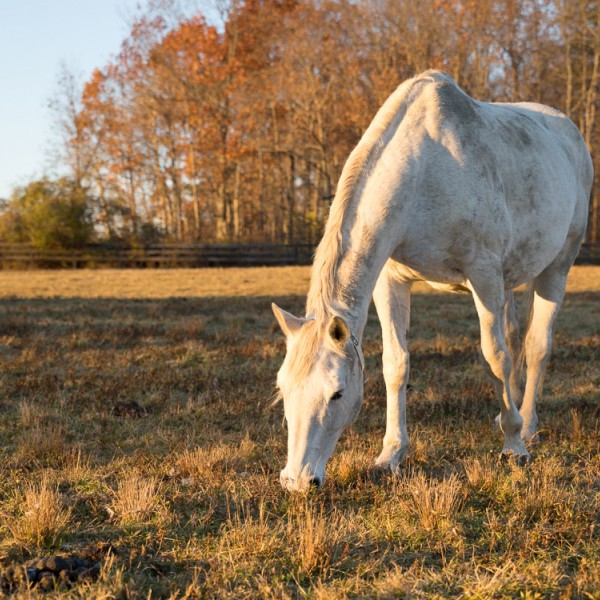
Relevance Horses are a significant part of New York State agriculture, contributing to the economy, land stewardship, and animal services. Despite the sector’s size, horse owners and managers have had limited access to coordinated, research...

Report
Relevance Thousands of small businesses across New York State will undergo ownership transitions in the coming decade. Nearly 30,000 businesses employing more than 750,000 workers face potential closure or sale without succession plans in place...
Report
Relevance The condition of a home plays a critical role in the physical and emotional health of its residents. In Albany County, many households, particularly those with limited financial resources, face preventable environmental health hazards...
Report
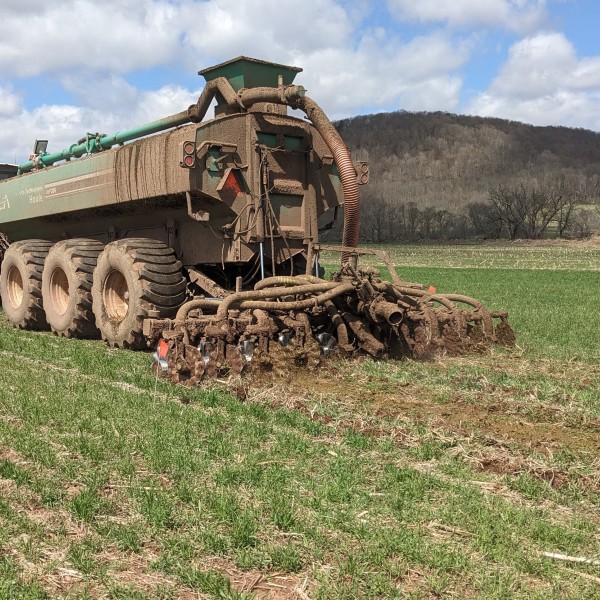
Relevance Delaware County contains sensitive watersheds, including portions of the New York City drinking water supply watershed in the Delaware River basin and the Upper Susquehanna River/Chesapeake Bay watershed. The small farms in this...
Report
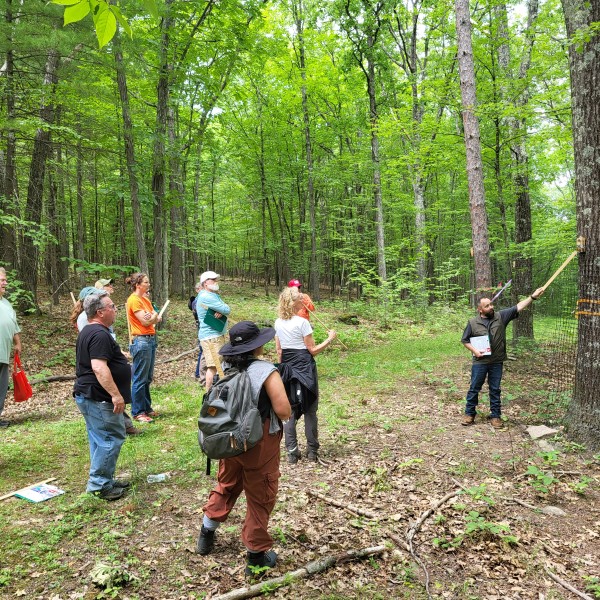
Relevance Nearly 800,000 private woodland owners manage more than 10 million acres of forestland across New York. These forests support environmental quality, wildlife habitat, forest products and rural economies. Most landowners lack formal...
Report
Relevance Invasive species threaten the ecological, economic and social well-being of New York’s Capital Region. Invasive plants and animals disrupt native ecosystems, reduce biodiversity, degrade habitat quality and impair ecosystem services...
Report
Relevance New York’s oyster populations have declined significantly since the 19th century, with an estimated 1 percent of historic oyster reefs remaining due to overharvesting and degraded water quality. In Nassau County, elevated nitrogen...
Report
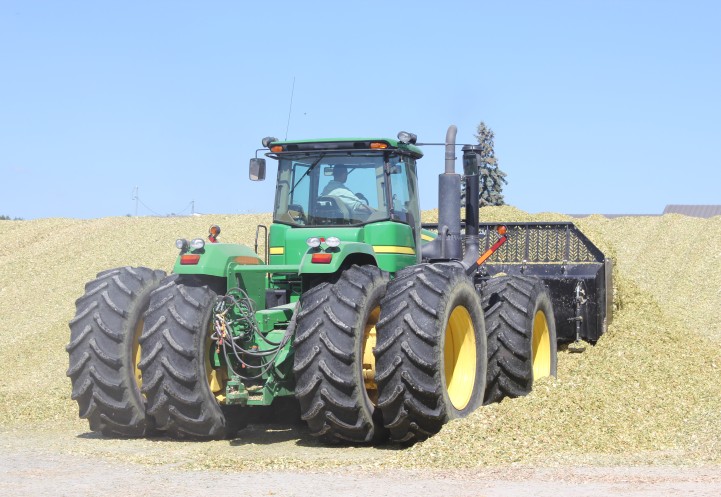
Relevance Nitrogen is essential for crop production, yet excess application can contribute to nitrogen loss with impact on water and air quality. New York dairy farmers face increasing pressure to improve nutrient use efficiency while...
Report
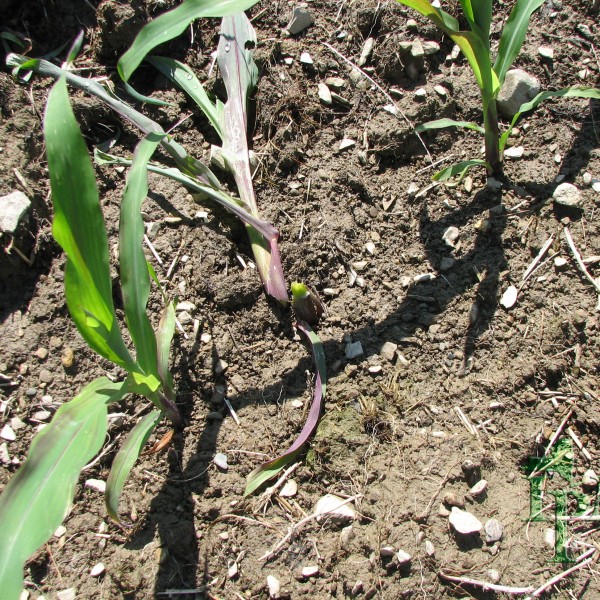
Relevance The NYS Corn Pest Monitoring Network project conducted a thorough evaluation of stakeholder requirements utilizing an online survey, revealing that black cutworm and true armyworm were identified as particularly detrimental pests...

Report
Relevance Cornell Cooperative Extension's Urban Agriculture program provides support for urban agriculture education in all urban areas of New York State including the five boroughs of New York City. The major emphasis areas are: growing for...
Report
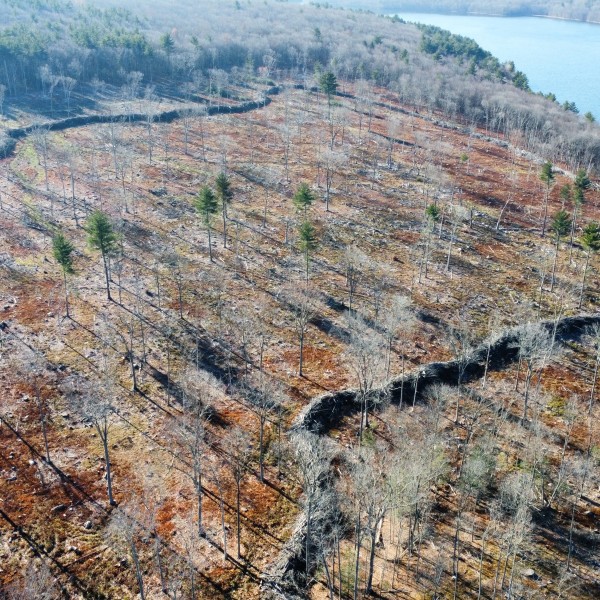
Relevance The Sanitation Verification Efficacy project addresses the problem of controlling cross-contamination during food manufacturing, highlighting the challenge of verifying sanitation efficacy. The project led by Abigail Snyder, Cornell...
Report
Relevance Firefighters face extreme thermal stress, mobility restrictions, and prolonged exposure to hazardous conditions while wearing turnout gear. Heavy protective ensembles can increase heat strain, raising the risk of cardiovascular...

Report
Relevance Parents and caregivers in rural New York often experience limited access to evidence-based parenting education and family support programs due to geographic isolation, transportation barriers and fewer locally available services. Rural...

Report
Relevance Parents across New York State are navigating increasingly complex challenges that influence child development, family well-being, and long-term health outcomes. Issues such as opioid misuse, alcohol use, nutrition concerns, behavioral...

Report
Relevance Play is one of the most powerful drivers of early childhood development, shaping children’s language acquisition, spatial reasoning, problem-solving abilities, and social-emotional skills. Yet many parents—especially those in...
Report
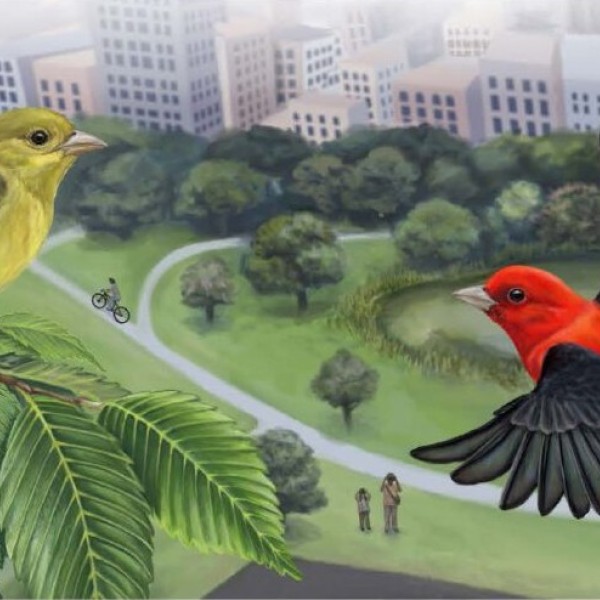
Relevance Many young people today experience limited access to nature-based learning, reducing opportunities to build science literacy, leadership skills, and environmental awareness. Educators have expressed a need for engaging, hands-on...