Back

Discover CALS

See how our current work and research is bringing new thinking and new solutions to some of today's biggest challenges.

Share
  • Cornell Cooperative Extension
Impact: Agriculture and Food Systems

Relevance 

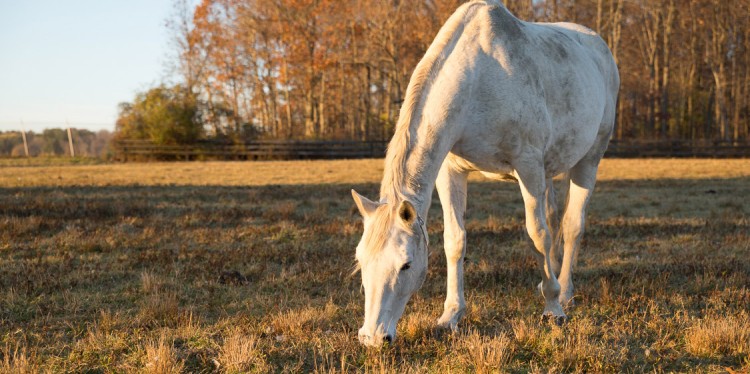
Horses are a significant part of New York State agriculture, contributing to the economy, land stewardship, and animal services. Despite the sector’s size, horse owners and managers have had limited access to coordinated, research-based extension support. Without consistent guidance, farms may face challenges related to horse health, biosecurity, manure and nutrient management, facility safety, and long-term business viability. Cornell Cooperative Extension (CCE) identified the need for a structured program to improve management practices and support the sustainability of equine operations.
Response

Cornell Cooperative Extension developed and implemented the Horse Farm Improvement Program (HFIP) to provide on-farm evaluations and tailored recommendations based on best practices. The program includes a pre-visit questionnaire, evaluation preparation guide, comprehensive on-farm assessment, and customized improvement plan. Farms enrolled statewide in 2024 and 2025 with support from CCE staff and interns. Outreach included the first Cornell Horse Symposium in January 2025 with 40 attendees, an online seminar with 100 live participants and 538 recorded views, and a national webinar reaching 91 participants. Program materials and enrollment information were made available online to expand access.

Results

Participating farms received individualized recommendations to improve horse health, biosecurity, manure and nutrient management, facilities, human safety, and business management. The program strengthened connections between horse owners and local extension offices, as well as statewide resources such as Agricultural Environmental Management and County Animal Response Teams. Participants reported increased awareness of best practices and continued engagement through consultations and educational events. These outcomes support improved management decisions and long-term farm sustainability.

Public Value

New York State benefits from stronger equine operations that promote animal welfare, environmental stewardship, and economic viability. By providing research-based guidance, Cornell Cooperative Extension helps horse farms improve management practices, maintain agricultural land, and support rural communities. Enhanced equine care and farm sustainability contribute to a more resilient agricultural sector statewide.

Keep Exploring

Two people work with scientific equipment on a desk.

News

On-farm research is a valuable tool for New York farmers. It happens in real-time on farm fields that are actively being cropped, producing practical results that can be applied in future growing seasons. It fosters two-way learning among...
  • Animal Science
  • Agriculture
  • Crops
Cornell doctoral student Isabella Marie Errigo and Indigenous partners collect eDNA samples from a remote river in the Ecuadorian Amazon, helping communities assess aquatic biodiversity and ecosystem health across a range of environmental conditions.

News

A Cornell graduate student and indigenous Ecuadorian partners are sampling eDNA in Amazonian riverways to understand how gold mining and other human disturbances impact aquatic biodiversity and ecosystem health.

  • Cornell Atkinson
  • Ashley School of Global Development and the Environment
  • Biodiversity