Response
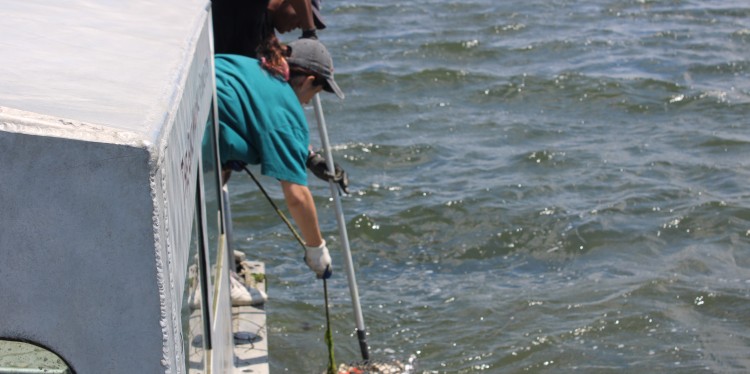
Cornell Cooperative Extension Nassau implemented a volunteer-led oyster gardening program to restore oyster populations and improve water quality in the Long Island Sound. The program enables residents and local organizations to host oyster gardens at accessible dock sites, expanding participation beyond waterfront property owners. In preparation for the 2025 growing season, CCE Nassau partnered with the Town of North Hempstead to distribute informational packets to 357 residents and businesses with dock access. Public sessions engaged 77 participants, and staff briefed the Great Neck Officials Association while training approximately 100 site coordinators and volunteers.
With support from the National Fish and Wildlife Foundation’s Long Island Sound Futures Fund, five mini-grants were awarded to expand youth engagement, volunteer participation and new oyster garden sites across the region.
“The Village of Port Washington North is grateful at the opportunity to partner with the Cornell Cooperative Extension of Nassau County and Transition Town to grow oysters at our Bay Walk Park Pier. Continuing the great work done by Town Councilperson Mariann Dalimonte, this project will help to clean the waters of Manhasset Bay and engage and educate our community on the benefits of Oyster Gardening and preserve the Bay for future generations,” said Mayor Robert Weitzner, Village of Port Washington North.
Results
In its second year, the program expanded to nine organizations across 10 host locations and engaged more than 200 volunteers. During the 2025 growing season, participants cultivated approximately 100,000 oysters, which were deployed to a spawner sanctuary reef in Manhasset Bay to support reproduction and water filtration. Public-facing demonstration sites, including one at a town park farmers market, provided indirect outreach to about 1,000 residents.
The program also strengthened community networks by connecting residents, local organizations and municipal partners in shared environmental restoration efforts. Increased participation and visibility contributed to growing public awareness of oyster-based restoration and its role in improving coastal water quality.
“I’m proud to have brought the oyster gardening program to Manhasset Bay," said Councilwoman Mariann Dalimonte. "This initiative, coordinated by Cornell Cooperative Extension of Nassau County, is a shining example of community-driven environmental stewardship. It not only helps restore our marine ecosystem but also engages residents in preserving the natural beauty of our shoreline for generations to come."
Public Value
By restoring oyster populations in Manhasset Bay, Cornell Cooperative Extension Nassau improves water quality, enhances shoreline stability and supports long-term ecosystem resilience in the Long Island Sound. The program leverages partnerships and volunteer engagement to expand environmental restoration while strengthening community stewardship and environmental literacy in Nassau County.