Back

Discover CALS

See how our current work and research is bringing new thinking and new solutions to some of today's biggest challenges.

Share
  • Cornell Cooperative Extension
Impact: Agriculture and Food Systems

Relevance 

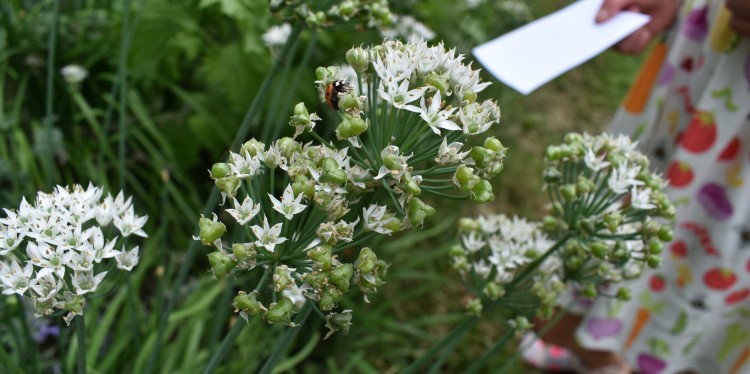
In New York, most insect pest outbreaks are naturally suppressed by predators such as lady beetles. However, declines in native ladybug species have reduced biodiversity that supports effective biological control. Phloem-feeding pests, including aphids, cause significant economic damage to crops across the state. Increased reliance on chemical controls raises production costs and environmental risks. Small farms and home gardens can provide critical habitat for beneficial insects, yet many landowners lack guidance on how to attract and sustain ladybug populations.
Response

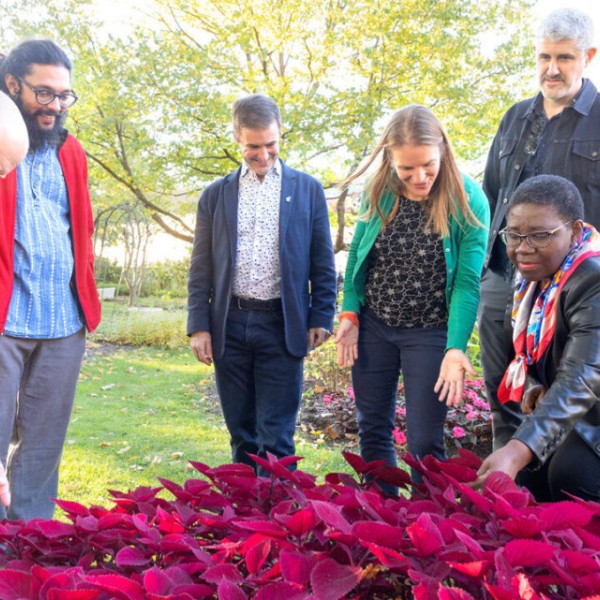
Cornell Cooperative Extension developed a community-based education and outreach program to support natural pest control through ladybug conservation. The program delivered workshops, educational materials, and hands-on demonstrations to gardeners, small-scale farmers, and community groups across New York. Participants learned how to identify native ladybug species, establish habitat with diverse plantings, and reduce practices that harm beneficial insects. The project also encouraged community monitoring efforts to track ladybug presence and pest activity.

Results

Participants increased their knowledge of beneficial insect conservation and adopted practices such as planting pollinator-friendly habitats and reducing pesticide use. Community members reported improved garden health and greater awareness of biological pest control methods. Observations from participants indicated increased sightings of ladybugs and reduced aphid infestations in managed spaces. The project strengthened local capacity to support sustainable pest management across small farms and residential landscapes.

Public Value

This project helps New York communities reduce reliance on chemical pesticides while promoting environmentally responsible pest management. By supporting native predator populations, the program contributes to more resilient agricultural systems, protects ecosystem health, and lowers costs for growers and gardeners. Expanding access to science-based guidance empowers residents to play a direct role in strengthening local food systems and environmental stewardship.

Keep Exploring

Headshot of Brooks Crickard

Field Note

Brooks Crickard , assistant professor of molecular biology and genetics in Cornell’s College of Agriculture and Life Sciences, studies the mechanisms cells use to self-correct when DNA replication goes wrong, including the strategies enzymes use...
  • Molecular Biology and Genetics
Assistant professor Ke Wang and postdoctoral associate Krishna Sahoo

News

Food scientists at Cornell AgriTech have developed a liquid-fermentation process that grows protein-rich oyster mushroom mycelium in days rather than weeks and – in a first for the field – have shown that the fungus will thrive on a fatty acid...
  • Cornell AgriTech
  • Food Science