Response
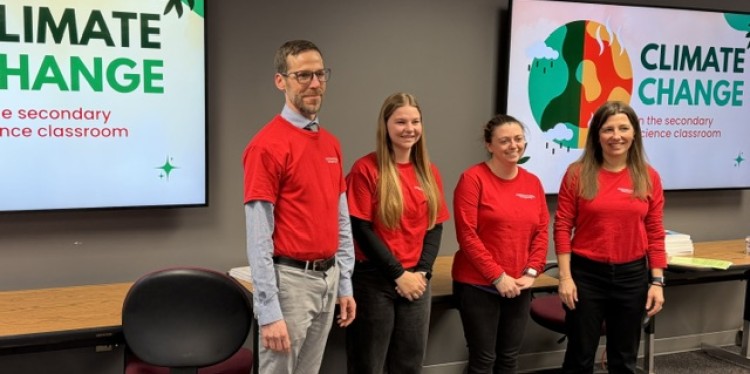
Cornell University, through the Cornell Climate Stewards program in partnership with New York Sea Grant and Cornell Cooperative Extension (CCE) and funding support from the New York State Department of Environmental Conservation, expanded statewide volunteer training and support in 2025 to address local capacity gaps. In total, there were nearly 100 active stewards with 14 CCE offices working across the state, including 75 new stewards with 12 CCE offices that completed the program across 6 trainings (5 CCE educators with 3 CCE offices were also trained). Participants received education on background science, resilience strategies, and community engagement approaches. Each steward committed to completing a locally focused project addressing a specific community need. Extension educators trained through the program are prepared to deliver future trainings beginning in 2026, supporting continued statewide expansion.
Results
In 2026, over 75 trained stewards are expected to contribute at least 40 hours each to community-based projects, which will result in nearly 3,000 hours of service statewide. Projects include community education and outreach, asset improvement, ecological stewardship, and organizational capacity building (including through the NYS Climate Smart Communities program). Preparing Extension educators to deliver the program ensures continued growth and long-term sustainability. The Cornell Climate Stewards program increased local capacity to plan for and respond to environmental challenges while strengthening the network of trained volunteers and educators.
Public Value
Investing in community training helps New York residents reduce environmental risks, protect public health, and strengthen resilience to environmental impacts. This scalable model extends the reach of public resources by equipping volunteers and educators to lead local efforts, supporting informed decision-making and long-term community preparedness.