The safety and well-being of our community is our highest priority. We know the recent news and allegations are deeply concerning, and we are committed to a safe environment for all. Learn how Cornell is addressing sexual violence.

Alert Close
Back

Discover CALS

See how our current work and research is bringing new thinking and new solutions to some of today's biggest challenges.

Share
  • Cornell Cooperative Extension
Impact: Agriculture and Food Systems

Relevance 

Farmers across New York face rising input costs, labor shortages, and increasing environmental regulations that affect profitability. Small, dispersed fields and limited access to custom services can slow adoption of cost-saving technologies. Dairy, livestock, and pasture-based farms must balance economic viability with environmental stewardship. Improving nutrient efficiency, forage management, and animal performance is essential to maintain competitiveness and support rural economies.

Response

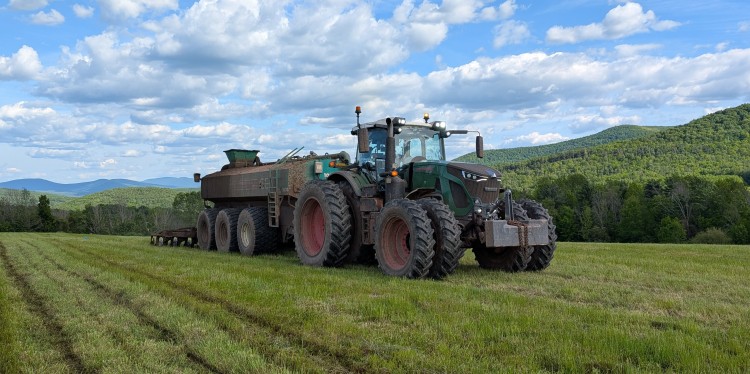
Cornell Cooperative Extension worked with producers statewide to implement research-based strategies that improve efficiency and returns. In Delaware County, a local precision manure application service was developed to improve nutrient use. Regional dairy programs delivered workshops helping producers align herd size, forage acreage, and grain management for whole-farm profitability. Extension educators reestablished pest monitoring systems, delivered grazing management training, and provided integrated pest management education for livestock producers. Field days and applied research demonstrations highlighted soil health practices, cover crop integration, and pasture management techniques to support informed decision-making.

Results

Programs reached farmers, advisors, and community members through workshops, field days, and educational resources. Participants increased knowledge and reported adopting practices such as precision nutrient application, improved grazing systems, pest monitoring, and soil health strategies. These changes contributed to improved nutrient management, reduced input costs, enhanced livestock health, and more efficient forage use. Producers also reported stronger decision-making related to whole-farm profitability and increased confidence in meeting environmental requirements.

Public Value

Improving nutrient efficiency and pasture management helps New York farms remain economically viable while protecting soil and water resources. Stronger farm businesses support local jobs, stable food systems, and resilient rural communities, while advancing environmentally responsible agricultural production.

Keep Exploring

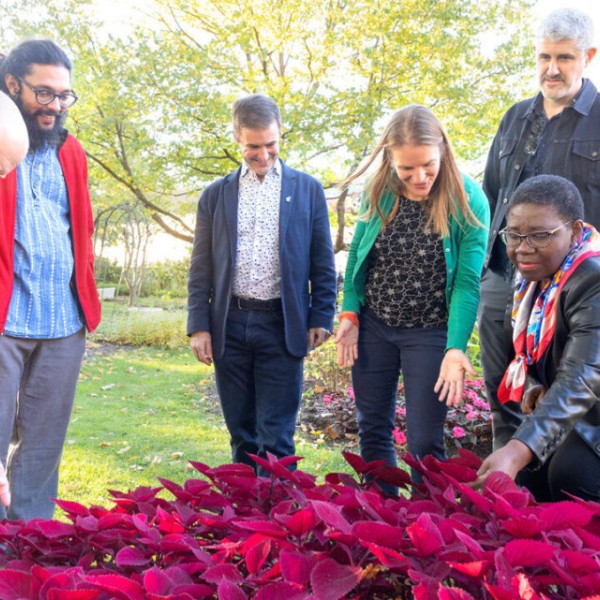
Members of the Center for Research on Programmable Plant Systems meet in Minns Graden

News

The Cornell-led multi-institutional Center for Research on Programmable Plant Systems will continue work to transform agriculture by enabling direct two-way communication with crop plants’ internal processes.

  • Plants
  • School of Integrative Plant Science
  • Plant Biology Section
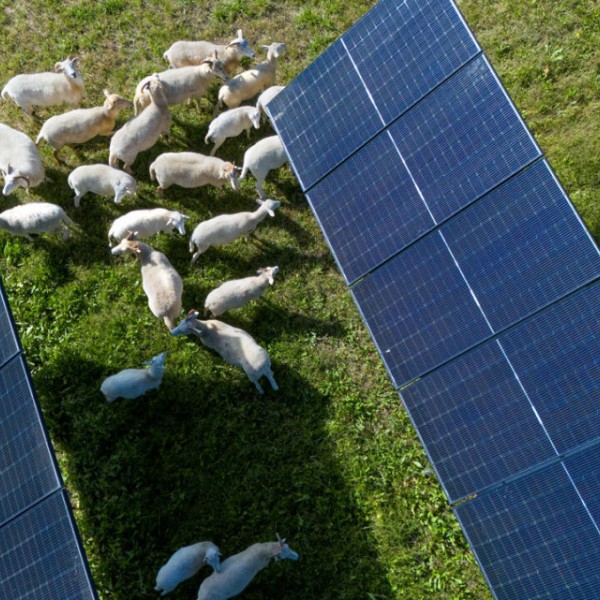
A solar farm in Lansing, New York.

News

As solar grazing expands across the country, new research helps sheep farmers increase profitability and sheds light on the how the number of sheep in solar array fields interacts with beneficial insects.

  • Natural Resources and the Environment Section
  • Agriculture
  • Solar