Continuing education

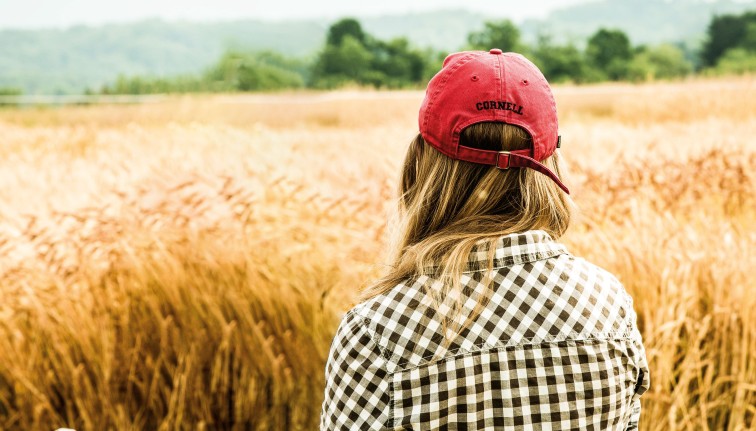
Our school is committed to lifelong learning, offering a wide range of programming and skill building for children and adults alike. See featured education programs to take advantage of these opportunities, including online courses and seminar, garden tours and more.

News from the School of Integrative Plant Science

Learn about the many ways we are addressing some of the world's most urgent challenges.

Women entrepreneurs give peace sign

News

  • Global Development
  • Global Development Section
  • School of Integrative Plant Science
greg peck between rows of trellised apple trees

Multimedia

News

  • School of Integrative Plant Science
  • Horticulture Section
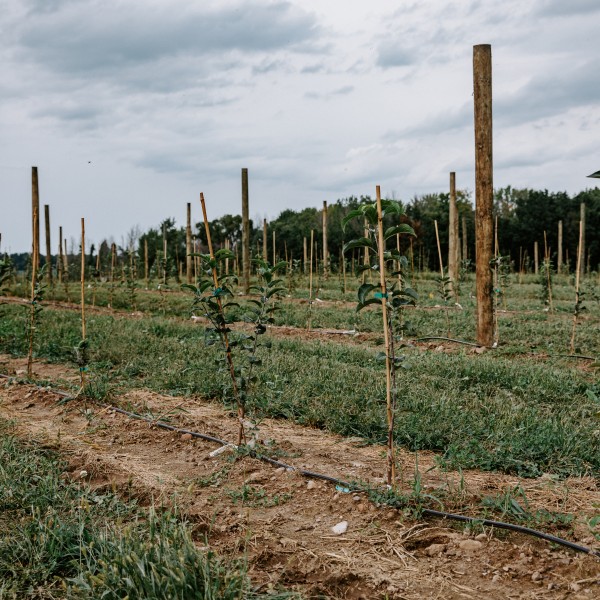
Newly planted Malus sieversii at Cornell AgriTech.

News

Fire blight costs the U.S. apple industry an estimated $100 million annually in crop losses. New research from Cornell AgriTech may help apple breeders develop resistant varieties and give growers a more sustainable solution in managing the...
  • Cornell AgriTech
  • School of Integrative Plant Science
  • Plant Pathology and Plant-Microbe Biology Section
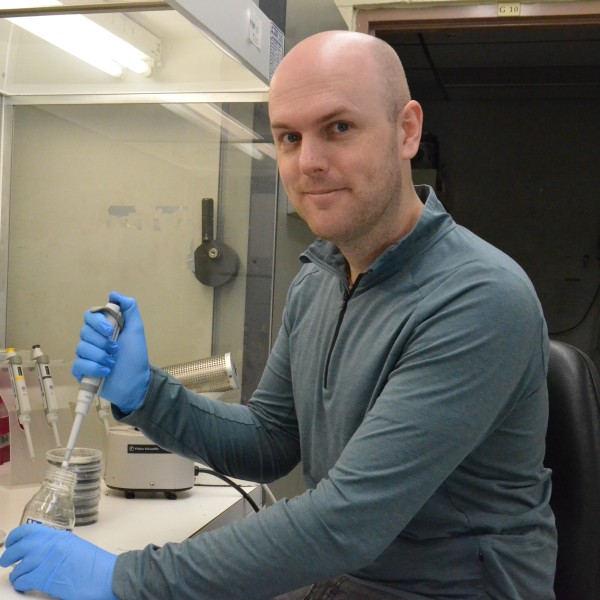
Scott Cosseboom works at the Cornell Hudson Valley Research Laboratory

News

The Cornell Hudson Valley Research Laboratory (CHVRL)’s new plant pathologist will focus on sustainable disease management in specialty crops, which is critical to New York’s agriculture industry. Scott Cosseboom started as senior research...
  • Cornell AgriTech
  • School of Integrative Plant Science
  • Plant Pathology and Plant-Microbe Biology Section

Land Acknowledgment

Cornell University is located on the traditional homelands of the Gayogo̱hó:nǫɁ (the Cayuga Nation). The Gayogo̱hó:nǫɁ are members of the Haudenosaunee Confederacy, an alliance of six sovereign Nations with a historic and contemporary presence on this land. The Confederacy precedes the establishment of Cornell University, New York state, and the United States of America. We acknowledge the painful history of Gayogo̱hó:nǫɁ dispossession, and honor the ongoing connection of Gayogo̱hó:nǫɁ people, past and present, to these lands and waters.

This land acknowledgment has been reviewed and approved by the traditional Gayogo̱hó:nǫɁ leadership. Learn more from the American Indian and Indigenous Studies Program website.