


Degree programs
The School of Integrative Plant Science is the largest academic unit in Cornell's College of Agriculture and Life Sciences. Faculty and staff in the school's five sections support two undergraduate majors, 12 MPS concentrations and five graduate fields.

Continuing education

News from the School of Integrative Plant Science
Learn about the many ways we are addressing some of the world's most urgent challenges.

Spotlight
Academic focus: Crop ecophysiology under environmental change Research summary: My research focuses on developing fundamental, mechanistic understanding of how CO2 and water move through the complex internal spaces inside leaves during...

Spotlight
Academic focus: Field crops pathology Research summary: We study diseases of major field crops in New York state with one goal: better decisions for growers. We ask how pathogen populations change under selection from host resistance, fungicides...
Spotlight
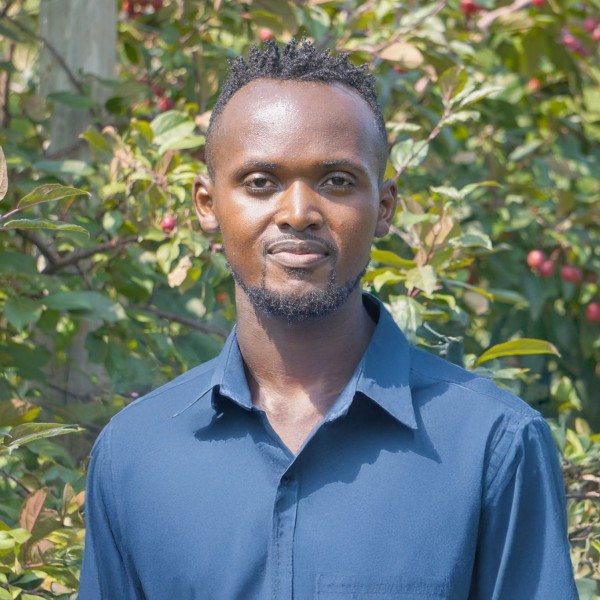
Academic focus: Seed pathology, integrated pest management and seed microbiomes Research summary: My research bridges science and practice in crop production, with a focus on seed germination, disease diagnostics and management, seed microbiome...

Spotlight
Academic focus: Plant microbiomes Research summary: Plants coexist with dynamic and complex microbial communities. I study how host genetics and environmental stressors collectively influence microbiome composition and function. By studying crop...