


Using science to deliver the best diet for cows
The Cornell Net Carbohydrate and Protein System (CNCPS) was developed to predict nutrient requirements, feed utilization, animal performance and emissions and excretion for dairy and beef cattle using accumulated knowledge on feed composition, rumen and intestinal digestion, and post-absorptive metabolism of carbohydrate, protein, and lipid fractions.
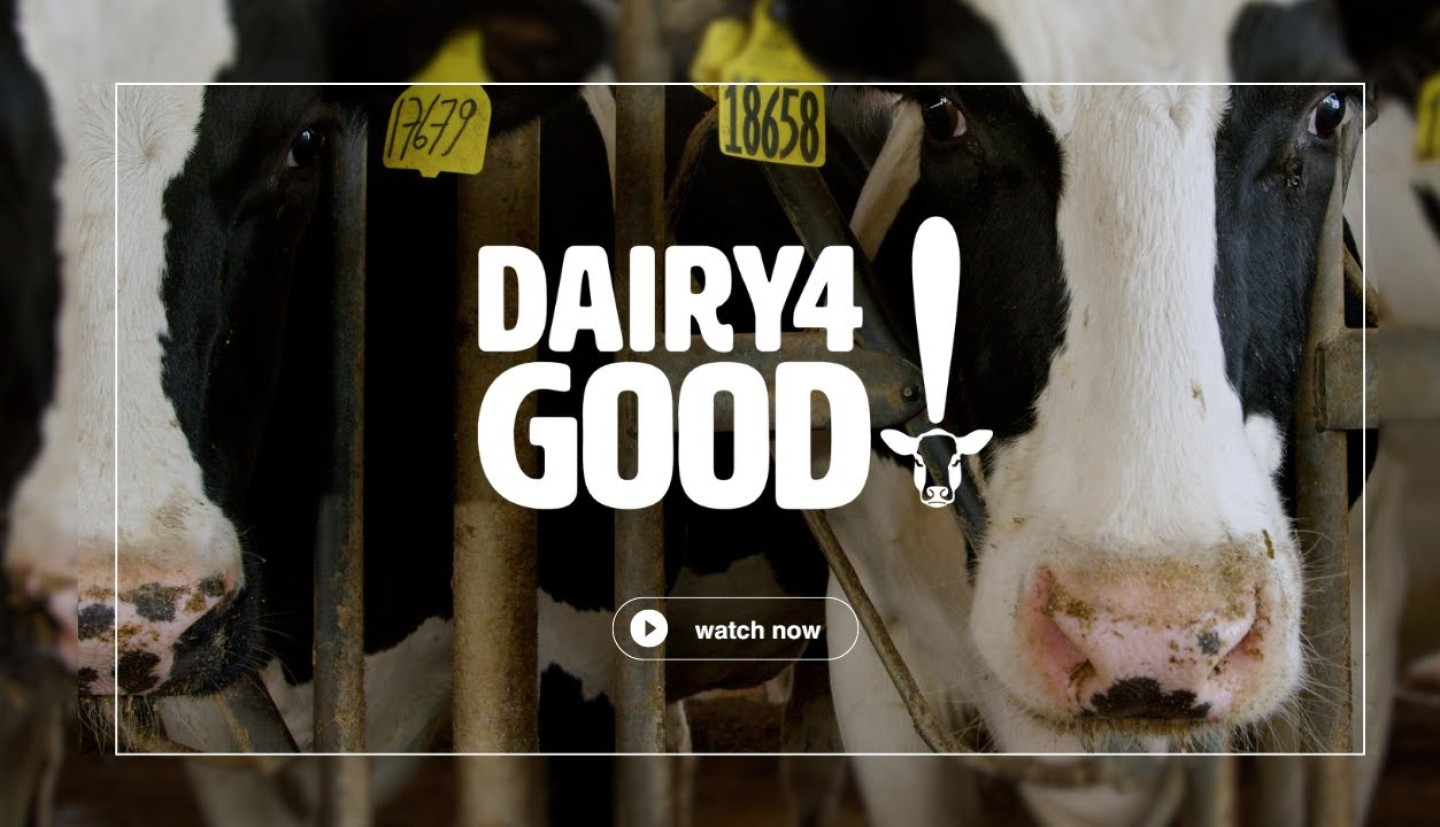
Video produced by dairy4good.
Model purpose
Ruminants are utilized to convert otherwise inedible feed nutrients to human food products under widely varying conditions around the world, serving as a major source of high-quality nutrients. The goals of evaluating ruminant nutrition are to improve animal productivity, reduce resource use, and protect the environment. Leveraging the collective knowledge of ruminant nutrition into predictive models further improves our ability to increase ruminant production efficiency. Accurate prediction of nutrient requirements and supply enable nutritionists to identify more of the variation in cattle performance than less comprehensive approaches to ration formulation.
Model predictions
- Energy, protein, amino acid, and mineral requirements for maintenance, tissue deposition, pregnancy, and lactation under varying environmental conditions
- Intake and ruminal degradation of feed carbohydrate and protein fractions, and subsequent microbial growth outcomes
- Intestinal digestibility of rumen undegraded feed fractions and microbial flows
- Metabolism of absorbed energetic, protein, and amino acids nutrients
- Milk production outcomes
- Nutrient excretion of non-productive outcomes (e.g., manure)
Model software
The long-term objective of the CNCPS modeling effort has been to provide a field usable model that accounts for a large proportion of the variation in ration formulation and animal performance and is based on a functional mathematical description of the biology of both growing and lactating cattle and their diet and management. First released in a spreadsheet version in 1991, the platform was released as an initial stand-alone version in 2000. Each version contains updates on the mathematical descriptions of cattle biology, environment and management to improve the accuracy of the model and in the user interface to improve user friendliness of the software.
Each update contains changes meant to improve the accuracy of model predictions, utility to leverage updated knowledge on cattle nutrition, and ease of use for users.
Commercial platforms
The CNCPS team has historically partnered with multiple commercial software groups to promote the use of the model in a range of platforms. This serves to provide users with the most recent knowledge and capabilities in terms of model performance incorporated into an array of platforms which cater to different user preferences.
Version updates
The current CNCPS (v6.5.5) and new CNCPS (v7) versions have been packaged by the Van Amburgh lab for use by software groups. Both technologies utilize NuGet package and .net framework. Commercial licensing inquiries for either version should be made to cncpscattle [at] cornell.edu. A standalone version of CNCPS 6.5.5 is available for research and teaching purposes.
No standalone software will be made available for CNCPS v7, and individual licenses are not available for purchase by individual users. Users are encouraged to look for this technology, once available, in commercial software which makes use of CNCPS technology. These groups not only offer the CNCPS technology for diet formulation but provide additional services, including software support, optimization tools, and other value-added technologies and features.
For More Information
License information
- cncpscattle [at] cornell.edu (cncpscattle[at]cornell[dot]edu)
- ctl-connect [at] cornell.edu (ctl-connect[at]cornell[dot]edu)
Feed chemistry and library inputs
- vanutritionlab [at] cornell.edu
Diet or ration formulation questions
- Mike Van Amburgh (mev1 [at] cornell.edu)
- Tom Overton (tro2 [at] cornell.edu)
- Larry Chase (lec7 [at] cornell.edu)