Reis AIIS Research Fellows

The AIISP has long supported the important and innovative research of emerging scholars in the multi-disciplinary field of American Indian and Indigenous Studies. We are proud of the many achievements by Indigenous and Allied graduate and undergraduate students working at the intersections of AIIS and Biological, Environmental, Information among other Sciences and the Humanities including History, Archeology, Anthropology and Art History. Through a new partnership with the Reis Foundation, the American Indian and Indigenous Studies Program can enhance and expand the opportunities for such crucial research.

The Reis AIIS Research Fellows Program provides support for advanced undergraduate or graduate students. Recipients of a Reis Indigenous Studies Research Fellowship have successfully demonstrated how their research advances collaborative partnerships with Indigenous Nations and/or pursuits questions critical to Indigenous peoples. This support from the Reis Foundation assists in securing and advancing research excellence for the next generation of AIIS scholars addressing some of the most important questions of our time.

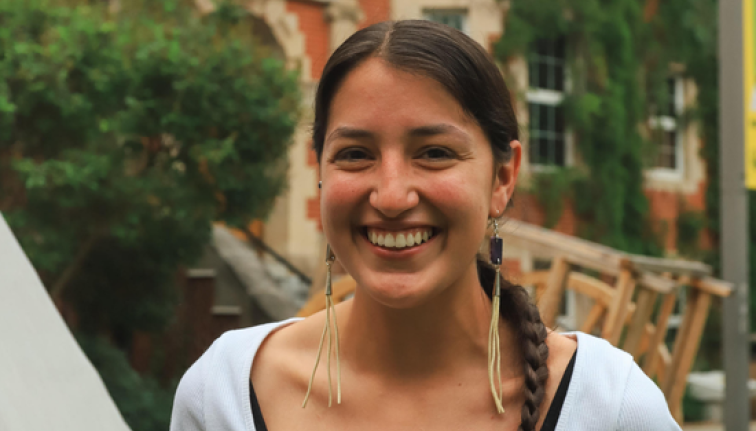
The AIISP is excited and proud to announce the 2025 Reis AIIS Research Fellows Noah Mapes, Santiago McKinn and Kanyʌhtowa•nʌ Cheyenne I. Reuben-Thomas. Fellows are selected on the quality of research proposal, achievability of goals during Fellowship, relevance to the field of AIIS and advancing of Indigenous community research partnerships among other factors. AIIS faculty Professor Jolene Rickard (Skarù·ręʔ/Tuscarora) and Professor Stephen Mana‘oakamai Johnson (Kanaka Maoli) currently serve as the inaugural Reis Fellows Faculty mentors.


2025 Fellows

The following AIIS Fellows are currently conducting their research and will conclude their Fellowship period with a formal presentation of their work. Please watch for details in the early Spring of 2026, and learn more about them via the profiles below.

Noah Mapes

Ph.D. Candidate, History of Art & Archaeology
 
Materializing Relationality: The Aesthetic Intervention of Non-Human Beings in Anishinaabe Diplomacy reconsiders the discipline of art history through Anishinaabe epistemologies and ontologies. Centering the concept of mino-bimaadiziwin—a principle of living well through reciprocal relationships with both human and non-human beings—this work examines how certain Anishinaabe aesthetic objects function not as passive artifacts but as agential, ensouled beings engaged in diplomacy. Bridging art history with Indigenous studies, the project argues that non-human beings—manifest through paintings, birchbark scrolls, photographs, and pictographic signatures—are active participants in Anishinaabe diplomatic traditions, including treaty negotiations and spiritual communing.
 
Drawing from Anishinaabe scholars such as Leanne Simpson, John Borrows, and Alan Ojiig Corbiere, as well as comparative insights from Andean art historians Carolyn Dean and Andrew James Hamilton, this research challenges anthropocentric assumptions in visual studies. It proposes that art objects hold animacy and political agency in accordance with Anishinaabe worldviews. By foregrounding Indigenous aesthetics and interbeing relationships, this work offers a transformative model for analyzing visual and material culture. In doing so, it seeks to expand the methodological scope of art history and articulate a decolonial framework for understanding the political and aesthetic significance of non-human beings in Indigenous diplomacy.
 
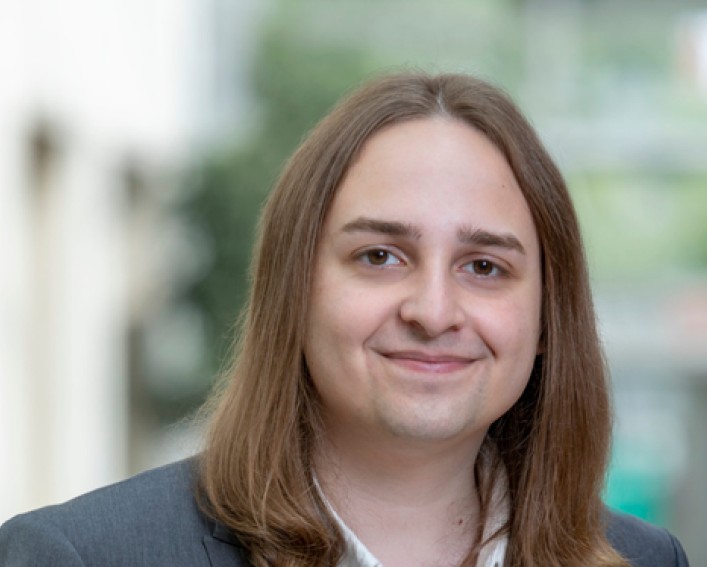
A photo of Noah Mapes with a blurred background.

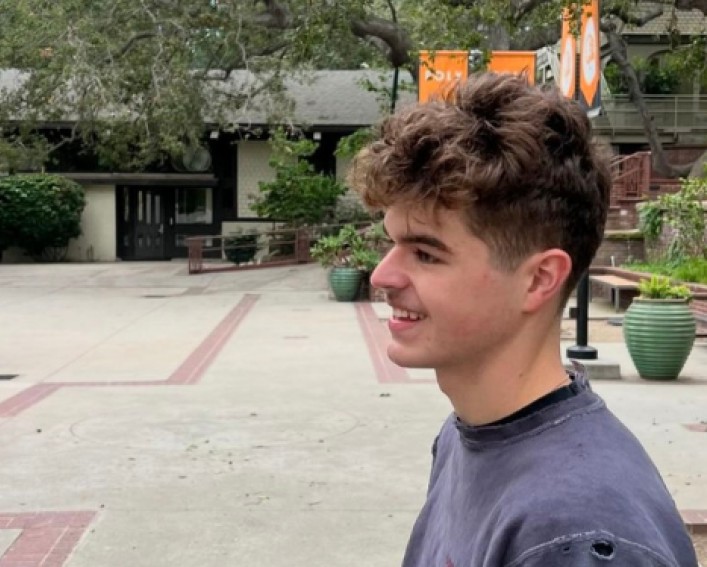
Santiago McKinn, '27

B.Sc. Student, Industrial and Labor Relations
 
Confronting Free Speech Suppression in Indian Country: Legal, Cultural, and Indigenous Perspectives investigates the tension between tribal sovereignty and individual free speech rights on Indian Reservations, where constitutional First Amendment protections do not directly apply. While the Indian Civil Rights Act (1968) and Santa Clara Pueblo v. Martinez (1978) aimed to affirm Indigenous self-determination, they also reinforced the authority of tribal courts—often leaving citizens with limited avenues for addressing civil rights concerns, including free speech violations.
 
This project argues that integrating traditional Indigenous legal principles into tribal constitutions provides a culturally grounded, sovereignty-affirming path toward meaningful speech protections. Through analysis of federal legislation, tribal court decisions, and case studies such as Means v. Navajo Nation and Wells v. Minneapolis Star, the research highlights how tribal courts interpret and navigate speech disputes. Particular attention is given to the Navajo Nation’s use of hózhǫ́ (harmony) and k’é (kinship) as guiding legal concepts, offering a self-determined approach to adjudicating speech claims.
 
By centering Indigenous jurisprudence, the project challenges assumptions that tribal legal systems are inadequate and instead proposes policy recommendations for reinforcing speech rights within Indigenous governance models—ultimately advocating for a more balanced, culturally rooted approach to free expression in Indian Country.
 
A photo of Santiago McKinn in a garden.