Back

Discover CALS

See how our current work and research is bringing new thinking and new solutions to some of today's biggest challenges.

Share
The College of Agriculture and Life Sciences welcomes 10 new faculty members this spring, reinforcing our dedication to purpose-driven science and meaningful impact in New York state and globally.

Their work and expertise reflects the college’s mission to tackle complex challenges and deliver research that benefits people and the planet. Get to know our new faculty members below.
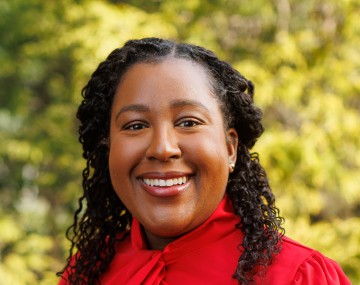
Aisha Burton portrait
Aisha Burton

Assistant professor, Department of Microbiology
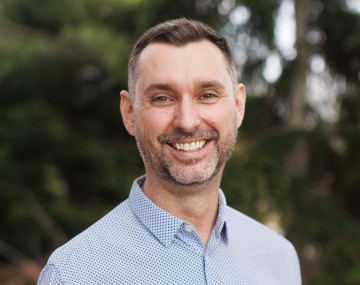
Christophe Duplais portrait
Christophe Duplais

Associate professor, Department of Entomology, Cornell AgriTech
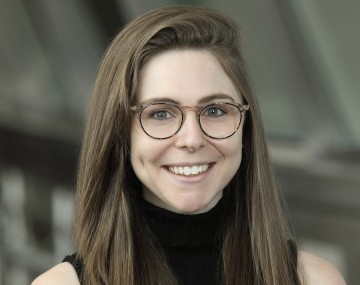
Tara Fischer portrait
Tara Fischer

Assistant professor, Department of Molecular Biology and Genetics, Weill Institute for Cell and Molecular Biology
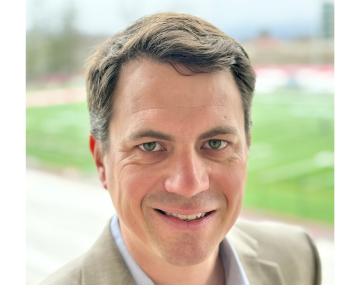
Zachariah Hansen portrait
Zachariah Hansen

Assistant professor, School of Integrative Plant Science, Plant Pathology and Plant-Microbe Biology Section
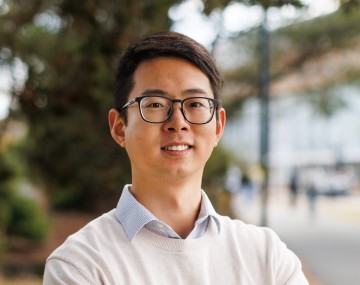
Bosen Jin portrait
Bosen Jin

Assistant professor, School of Integrative Plant Science, Soil and Crop Sciences Section
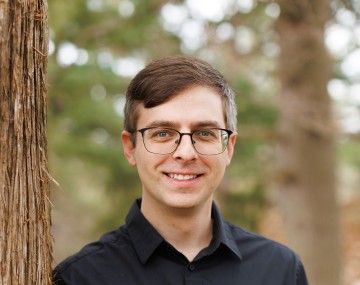
Stephan Lane portrait
Stephan Lane

Assistant professor, Department of Food Science
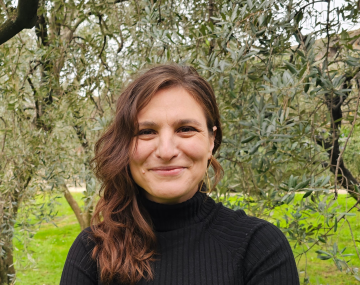
Karen Lutsky portrait
Karen Lutsky

Assistant professor, Department of Landscape Architecture
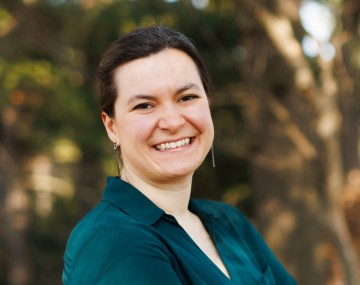
Hannah McMillan portrait
Hannah McMillan

Assistant professor, School of Integrative Plant Science, Plant Pathology and Plant-Microbe Biology Section

Hugo Monteiro portrait
Hugo Monteiro

Assistant professor, Department of Animal Science
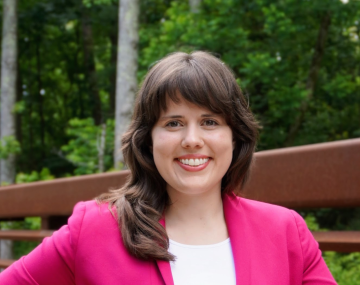
Karen Lutsky portrait
Mariel Pfeifer

Assistant professor, School of Integrative Plant Science, Horticulture Section

Keep Exploring
Several red 'Crimson Beauty" raspberries hang from green leaves and stems.

Report

Relevance Raspberry and strawberry production in the United States is concentrated in California and Florida, where climate variability and rising costs challenge long-term sustainability. Demand for locally grown fruit is increasing, creating...
  • Cornell Cooperative Extension
Charles Midega (left) and Roy Odawa display the Kontiki kiln they modified to make biochar from human feces. Credit: Rebecca Nelson

News

Cornell researchers and Kenyan partners have developed a fertilizer made from human excreta. The product improves soil health and food production, while preventing pollution in informal settlements and the aquatic environment.

  • Ashley School of Global Development and the Environment
  • Global Development Section
  • Agriculture