Back

Discover CALS

See how our current work and research is bringing new thinking and new solutions to some of today's biggest challenges.

Share
  • Animal Science
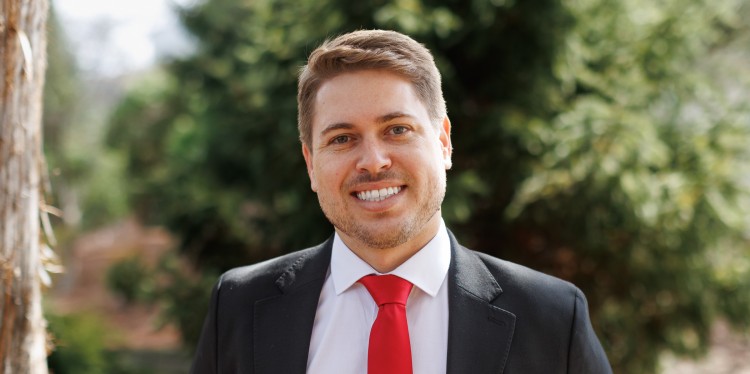
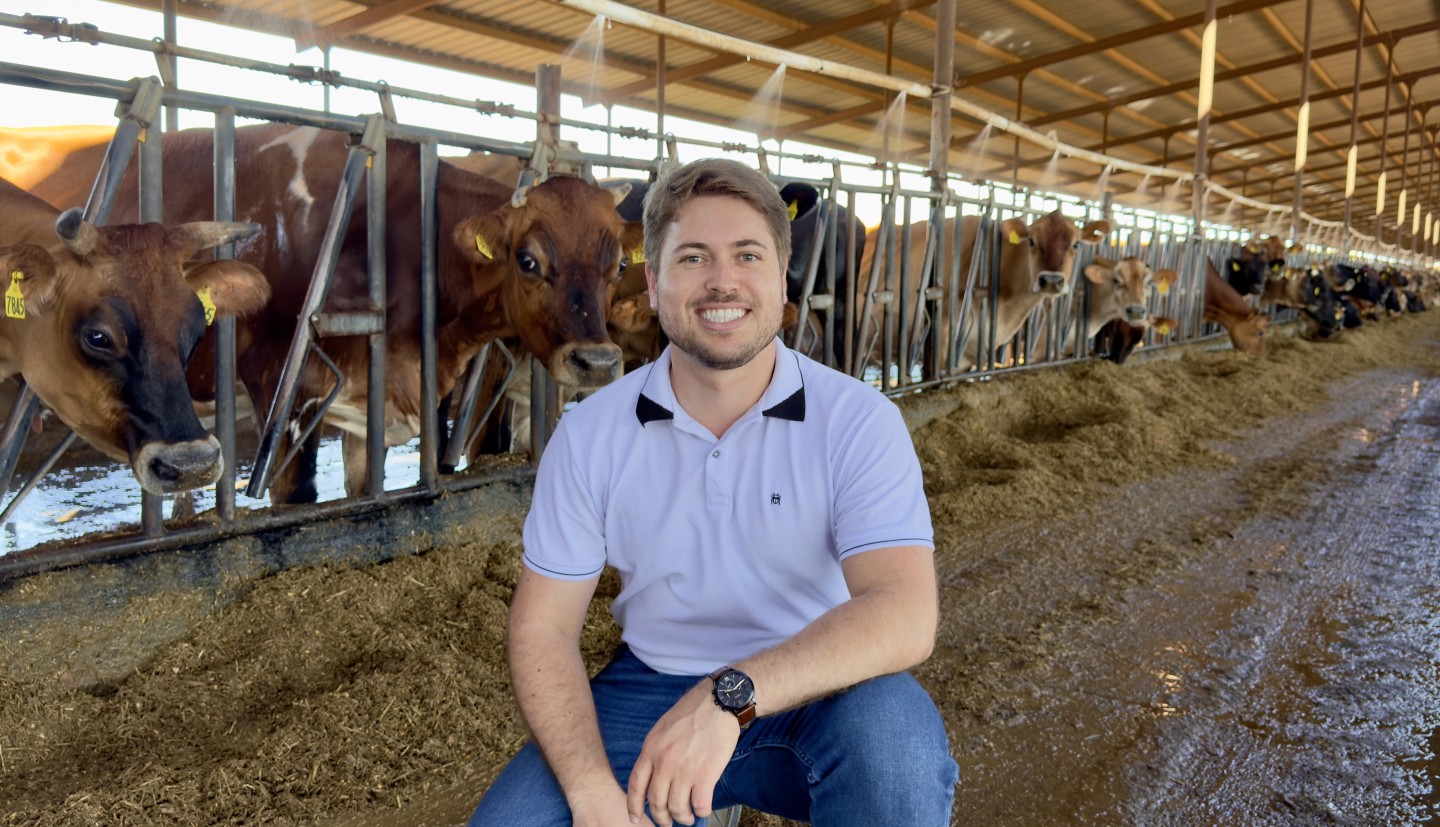
Hugo Monteiro, assistant professor, Department of Animal Science

Academic focus: Microbiology of anaerobes in animal and environmental systems

Research summary: My research focuses on understanding the mechanisms by which microbes interact with their symbiotic hosts and environments, with the goal of developing microbiome-based strategies to improve livestock sustainability. I am particularly interested in ruminants such as dairy cattle, which harbor complex anaerobic microbial ecosystems in the rumen that convert plant biomass into nutrients that support milk production. My lab uses cutting-edge DNA and RNA sequencing approaches, including shotgun metagenomics and dual RNA sequencing, to characterize microbial activity at high resolution. Ultimately, this work aims to improve nutrient-use efficiency, enhance dairy cattle productivity, and reduce methane emissions and environmental impacts of livestock production.

What do you like to do when you’re not working?

I enjoy spending time outdoors, playing tennis, fishing, traveling and exploring new places. I also enjoy homemade foods, cheese, and tasting coffee and wine, as well as visiting regions where they are grown. Music and sports are two other passions, and I enjoy discovering new artists and attending live music and sporting events. Most of all, I love spending time with family and friends, and I deeply enjoy helping people and contributing to the community around me in any way I can.

What brought you to Cornell CALS?

The Department of Animal Science at Cornell offers a unique environment that brings together pioneering research in animal science and microbiology, particularly at their intersection in ruminant nutrition, an interdisciplinary field integrating animal physiology and rumen microbiology. Given my passion for this area, CALS’ moonshot initiative and its commitment to advancing sustainable livestock systems made this an exciting opportunity to further develop my research while helping address a major global challenge in food production. I was also drawn to the opportunity to teach rumen microbiology and emerging advances in host–microbiome research, and mentor students in applying these technologies in their research.

What is an interesting fact about your field of study that you think everyone should know?

I find it fascinating how ruminants such as cows depend entirely on foregut microbes to digest the plant material they eat. Without this microbial community, they would not convert grass and other feedstuffs into milk and other products we rely on. Humans rarely consume or digest byproducts that comprise the main diet of these animals because we lack foregut compartments and microbes that harvest these nutrients for them. Given that a major portion of greenhouse gases and nitrogenous waste from livestock comes from these microbes, optimizing their activity is key to improving food supply and livestock environmental sustainability.

Why did you feel inspired to pursue a career in this field? 

As a visual thinker, I became fascinated by microbial ecosystems early in my animal science training. I often imagined the microscale processes in the rumen that have major impacts on cow physiology. I later learned that the rumen microbiome is one of the most robust biological systems for converting plant biomass into energy, yet many of its microbes and mechanisms remain largely unexplored. By studying these microbes, we can profoundly improve food production, reduce environmental impacts and unravel biological processes that govern animal physiology. I am deeply grateful to the mentors and professionals who inspired me to pursue this field and guided me throughout this journey. Their support changed the trajectory of my life.

What advice do you have for students interested in your field of study? 

Stay curious and build skills across disciplines. Modern animal science increasingly focuses on biological systems as a whole, combining expertise in nutrition, physiology, genomics, microbiology, computational biology and environmental science. Students who can build bridges across these different areas will always stand out in the field. Equally important is finding mentors and collaborators who challenge you to think broadly about how science can contribute to real-world solutions. Translating what you learn in the classroom into practical applications is a fundamental skill for successful professionals.

What are your current or future outreach/extension projects?

My outreach efforts focus on translating microbiome research into strategies that improve efficiency and sustainability in dairy production. This includes deploying tools and biological approaches developed in my lab directly on dairy farms to accelerate the translation of science into practical solutions for producers. These efforts will also help train the next generation of animal scientists by giving students opportunities to work with cutting-edge sequencing technologies while engaging directly with the dairy community. I also hope to participate in outreach activities beyond animal science and contribute to community programs that address broader societal issues through science education and engagement.

Learn more about Hugo from his CALS profile and LinkedIn.

Keep Exploring

Illustration of three piles of manure with a photo of a gardener with soil in their hands

News

Waste could fulfill 102% of nitrogen and 50% of phosphorus needs for the nation’s agriculture, and significant amounts could be distributed locally and sustainably.

  • Ashley School of Global Development and the Environment
  • Global Development Section
  • School of Integrative Plant Science
Mariel Pfeifer landscape

Spotlight

Academic focus: Biology education research/discipline-based science education research Research summary: My lab is called the EQUIP lab, and we study how STEM environments can better support all students and faculty. A major focus of our work is...
  • School of Integrative Plant Science
  • Horticulture