Academic focus: Synthetic biology and precision fermentation
Research summary: My work aims to harness engineered microbial cell factories to convert low-cost feedstocks into high value products. Using synthetic biology tools, we can harness wastes of the food industry as fermentation feedstocks to generate additional value from existing supply chains while improving sustainability. In particular, I am interested in using microbial biosynthesis to produce rare and high value products including fragrances, flavors, nutraceuticals and rare sugars.
My research also seeks to make the synthetic biology and microbial engineering process faster and more reliable. Because research in this space is inherently time- and labor-intensive, I integrate automation and artificial intelligence to reduce barriers to entry for academic and industrial scientists seeking to apply synthetic biology to pressing societal challenges.
What do you like to do when you’re not working?
I’m usually spending time with my family. We all enjoy nature and are looking forward to exploring the area once the weather warms up!
What brought you to Cornell CALS?
The Department of Food Science in CALS is one of the best throughout the world. I wanted to collaborate with top-tier scientists and educate the best of the next generation of researchers and industry leaders.
What is an interesting fact about your field of study that you think everyone should know?
Synthetic biology is currently in the middle of a major revolution driven by artificial intelligence. A decade ago, producing a new molecule meant painstakingly mining genomes for relevant metabolic pathways. Today, we can design enzymes from scratch.
Why did you feel inspired to pursue a career in this field?
I first became involved in synthetic biology research while working for BP Biofuels as part of a team aiming to commercialize lignocellulosic biofuels. I was immediately drawn to the scientific work involved in microbial engineering, but I also witnessed how external factors can transform an entire field overnight: When crude oil prices plummeted, our work suddenly became commercially unviable.
Since then, I’ve focused on developing solutions whose success doesn’t hinge on volatile markets. I’m especially excited by projects and products that can deliver tangible benefits and impact directly to consumers.
What advice do you have for students interested in your field of study?
Get involved in a laboratory early! Synthetic biology is a very hands-on field of study and building up those laboratory skills early will pay dividends throughout your career. Treat self-improvement as a lifelong process: Identify areas outside of your comfort zone and intentionally work to strengthen them.
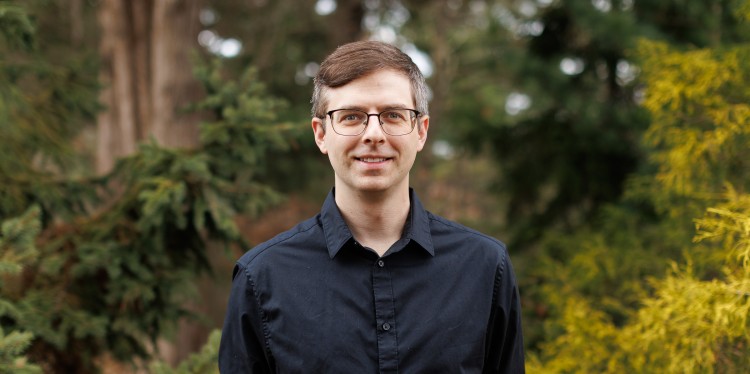
Learn more about Stephan from his CALS profile and lab website.