Academic focus: Vegetable pathology
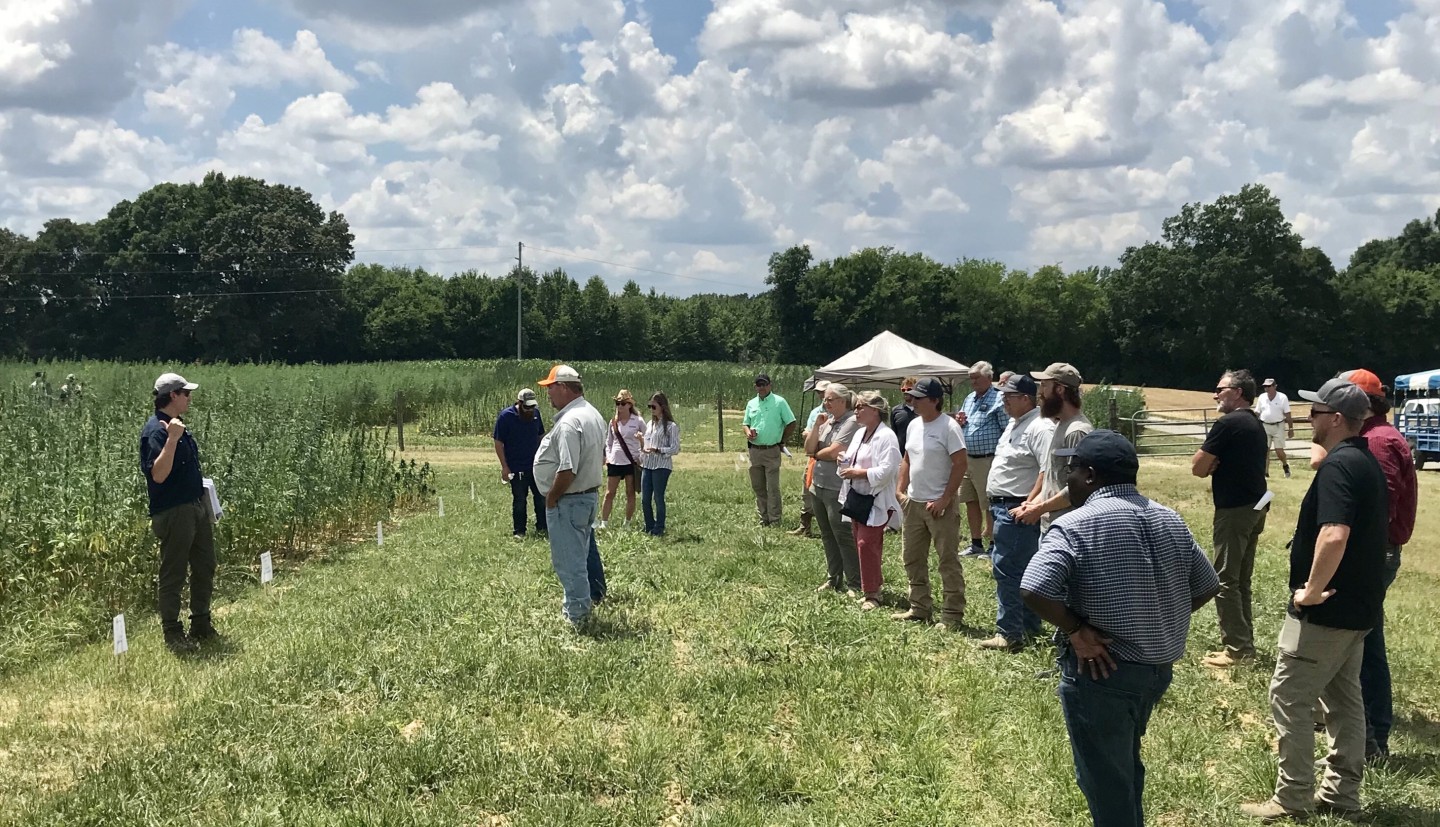
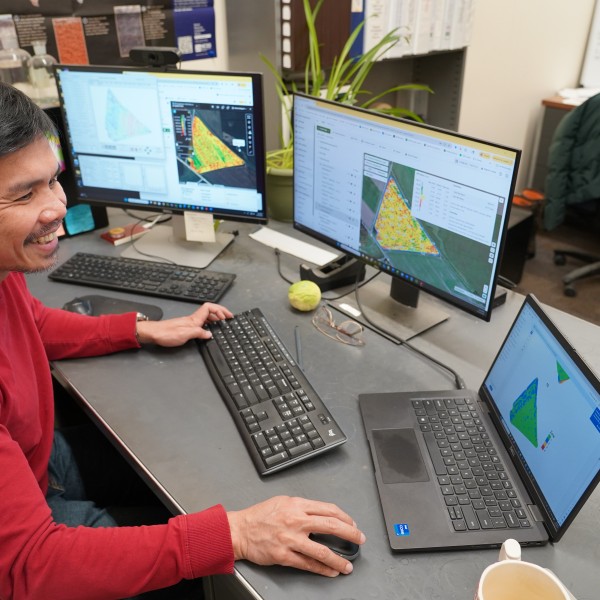
Research summary: My applied vegetable pathology research program is aimed at improving disease management for important vegetable crops in New York state. Topics include fungicide resistance screening and improving fungicide use efficiency, host resistance and cultural control evaluations, improved molecular disease diagnostics, and pathogen population genetics. Research is guided by stakeholder needs with attention given to endemic and emerging diseases. Research findings are shared with stakeholders through an active extension and outreach program.
What do you like to do when you’re not working?
My family keeps me quite busy outside of work. When I’m not tied up with those activities I enjoy playing guitar, snowboarding, cycling and spending time at the lake. I also live in a 19th-century farmhouse that is a constant labor of love. I take every available opportunity to spend time outside when the sun is shining! This is one of the reasons I chose a career in applied plant pathology.
What brought you to Cornell CALS?
I earned my Ph.D. in plant pathology at Cornell, so I have a deep appreciation for this institution. Ithaca is a unique and beautiful place to live, and Cornell’s world-class people and resources make it a very desirable place to build an agricultural research program. When the opportunity presented itself, it was an easy decision to pursue it.
What is an interesting fact about your field of study that you think everyone should know?
Agricultural pathogens are constantly responding to disease management strategies through evolution. One example of this is fungicide resistance, which is like antibiotic resistance in human medicine. The more we use a fungicide, the more we encourage pathogens to evolve resistance to it. By monitoring pathogen populations, we can mitigate this threat by recommending disease management strategies that discourage this natural evolutionary process.
Why did you feel inspired to pursue a career in this field?
I have always had a love and appreciation for plants and the outdoors. During my master’s program, I was first exposed to applied plant pathology research and extension as a possible career path. I saw my mentor study pathogens in the lab, conduct experiments in the field and interact with growers through extension activities. Applied plant pathology allows me to explore my curiosity about the natural world while helping to solve real agricultural problems. And I still get to spend time outside working with plants.