Academic focus: Regulatory roles of bacterial microproteins
Research summary: My research investigates how bacterial microproteins (100 amino acids or less) function as regulatory elements that tune core signaling and metabolic pathways. By studying previously overlooked small proteins in organisms such as E. coli and B. subtilis, I aim to define how these factors interface with two-component systems and other regulatory networks to control nutrient sensing, stress responses and growth. This work helps reveal an underappreciated layer of cellular regulation and reframes the bacterial proteome to include microproteins as key modulators of physiology and potential targets for next-generation antimicrobial strategies.
What do you like to do when you’re not working?
When I’m not working, I enjoy reading mystery novels, weightlifting and spending time playing with my son.
What brought you to Cornell CALS?
I was drawn to Cornell CALS because of the collaborative culture within the department and the high level of engagement from the students. It felt like the kind of supportive, interactive environment where I could build a strong and creative research program.
What is an interesting fact about your field of study that you think everyone should know?
Microbes are everywhere! They live in the soil, the oceans, the air, and on and inside our bodies.
Why did you feel inspired to pursue a career in this field?
I was inspired to pursue this field because it combines two of my passions: teaching and understanding how bacteria function. It allows me to explore fundamental questions in microbiology while also mentoring and training the next generation of scientists.
What advice do you have for students interested in your field of study?
Do what you genuinely love! When you’re excited about the questions you’re asking, the work never really feels like work. Stay curious, ask bold questions and don’t be afraid to explore ideas that others might overlook.
What are your current or future outreach/extension projects?
I’m interested in developing outreach opportunities that give high school seniors hands-on research experience, helping them see what scientific discovery looks like in a real lab and building early confidence and skills in microbiology.
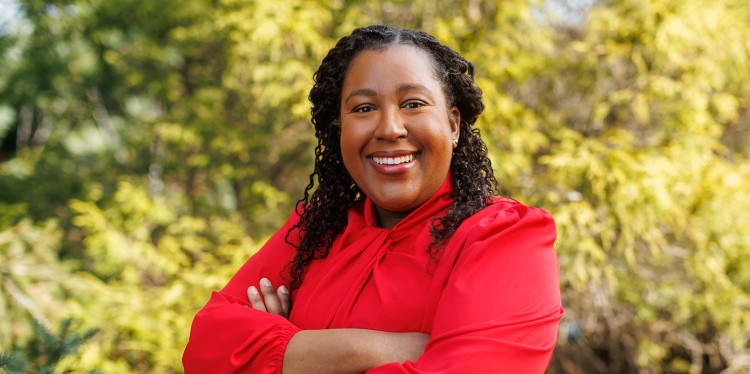
Learn more about Aisha from her CALS profile and lab website.