Academic focus: Environmental chemistry and microbiology of emerging contaminants in agricultural and environmental systems, with a focus on PFAS, pesticides and contaminant-impacted bioresources within circular economy and resource recovery frameworks
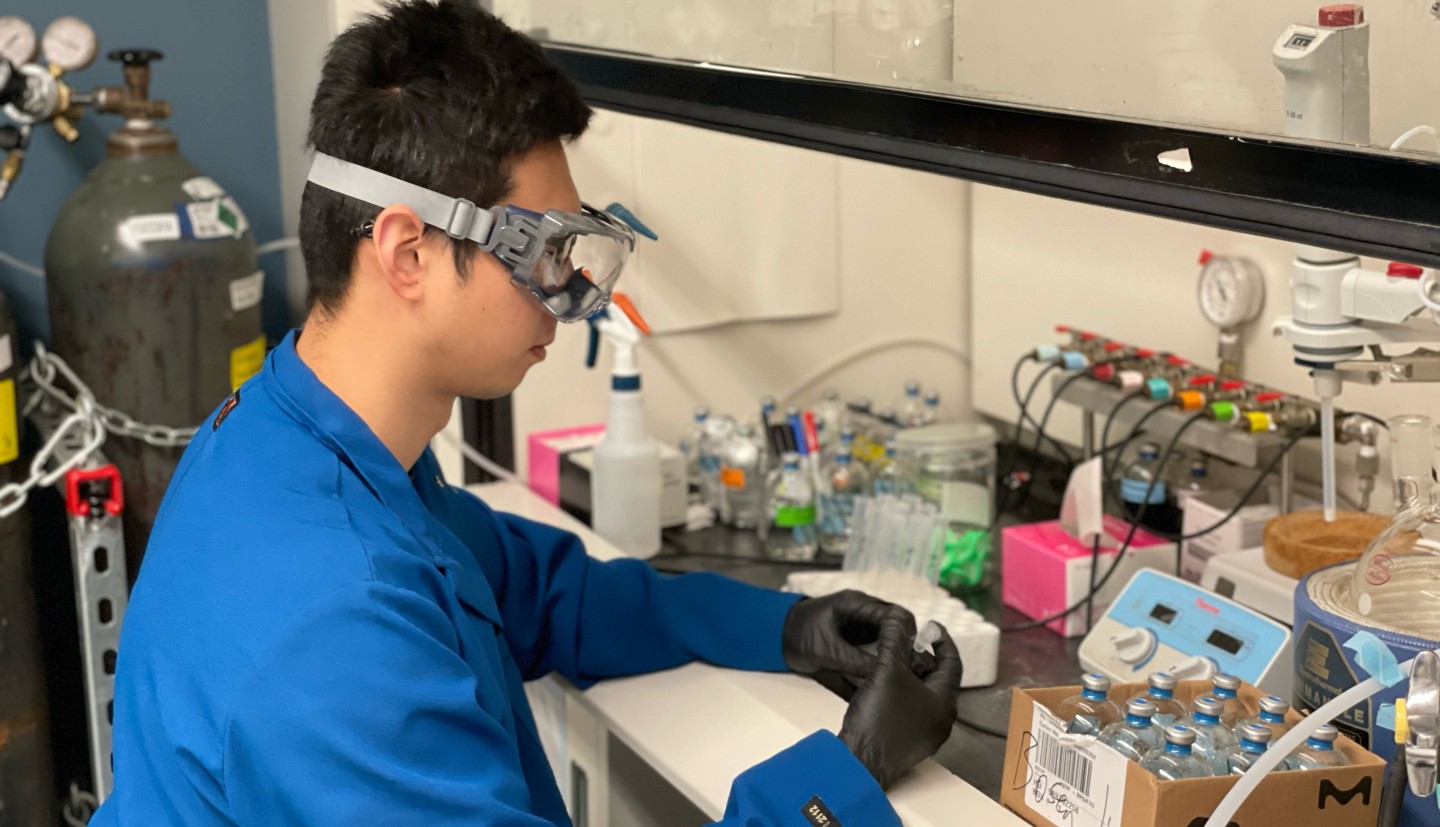
Research summary: My research examines the fate, transformation and mitigation of emerging contaminants, such as PFAS and pesticides, in soils, water, biosolids and agricultural systems. A central goal of my work is to enable circular economy approaches by developing science-based strategies to safely reuse and remediate contaminated bioresources. By integrating environmental chemistry, microbiology and advanced mass spectrometry, my research supports sustainable land management, protects food and water quality, and helps transform waste streams into safe, beneficial resources.
What do you like to do when you’re not working?
Outside the lab, I enjoy spending time with my family, especially exploring nature with my child. I also enjoy gardening and cooking. In my downtime, I like watching sports, particularly NBA basketball and international soccer, including the Premier League and the UEFA Champions League.
What brought you to Cornell CALS?
Cornell CALS offers a unique combination of world-class research, a strong land-grant mission, and deep connections to agriculture, extension and policy. I was especially drawn to the collaborative environment in SIPS and the opportunity to work closely with growers, extension specialists and regulators to translate fundamental research into real-world impact.
What is an interesting fact about your field of study that you think everyone should know?
Many emerging organic contaminants (including PFAS) are highly persistent, readily accumulate in the environment and food systems, and are extremely difficult to remove once released. Growing evidence links long-term exposure to increased risks of serious diseases, including cancer. Because these chemicals can move from soil and water into crops and food chains, identifying their sources and preventing contamination is urgent. Protecting soil and water quality is not just an environmental issue: It is fundamental to food safety and human health.
Why did you feel inspired to pursue a career in this field?
I’m inspired by research that turns environmental challenges into opportunities. The idea that we can clean up contaminated soils, water and bioresources, and return them safely to productive use, motivated me to pursue work at the intersection of environmental chemistry, sustainability and circular economy principles.