


Course Resources
Below you can find a list of all online resources included in the GMPs Part 111 online course.
Module List
Module 1 – Page 1
- 21 CFR Part 117, Subpart B
- 21 CFR Part 111
- Current Good Manufacturing Practice, Hazard Analysis, and Risk-Based Preventive Controls for Human Food Rule
- Response 197
Module 1 – Page 3
- Basic Computer Specifications for Canvas
- How do I clear my browser cache on a Mac?
- How do I clear my browser cache on a PC?
Module 1 – Page 7
- 21 CFR Part 111
- 21 CFR Part 117
- 21 CFR Part 507
- 21 CFR Part 106
- 21 CFR Part 113
- 21 CFR Part 114
- 21 CFR Part 129
- 21 CFR Part 210
- 21 CFR Part 211
- Current Good Manufacturing Practices (CGMPs) for Food and Dietary Supplements
Module 1 – Page 8
Module 1 – Page 9
- Dietary Supplement Health and Education Act (DSHEA)
- New Dietary Ingredient Notification Procedure
- New Dietary Ingredient Draft Guidance
- 21 USC section 342(g)
Module 1 – Page 10
Module 1 – Page 11
Module 1 – Page 12
Module 2 – Page 2
- FDA Regulation of Cannabis and Cannabis-Derived Products, Including Cannabidiol (CBD)
- New Dietary Ingredients in Dietary Supplements - Background for Industry
Module 2 – Page 12
Module 2 – Page 13
- USDA: Compliance Guidelines for Cooling Heat-Treated Meat and Poultry Products (Appendix B)
- FDA: FDA Seafood Products Hazards and Controls Guide
- FDA: FDA Food Code 2022
Module 2 – Page 19
- Food Allergen Labeling and Consumer Protection Act of 2004 (FALCPA)
- Guidance for Industry: Questions and Answers Regarding Food Allergen Labeling (Edition 5)
- Food Allergy Safety, Treatment, Education, and Research (FASTER) Act
- Draft guidance for FDA Staff and Stakeholders: Evaluating the Public Health Importance of Food Allergens Other Than the Major Food Allergens Listed in the Federal Food, Drug, and Cosmetic Act
Module 2 – Page 20
- FDA: Information about Food Allergens
- FDA: Draft Guidance for the Voluntary Disclosure of Sesame as an Allergen
Module 2 – Page 22
- FDA: Food Labeling & Nutrition
- FDA: Labeling and Regulation of Dietary Supplements
- FDA: Dietary Supplement Labeling Guide (April 2005)
- Guidance for Industry: Distinguishing Liquid Dietary Supplements from Beverages
- Draft Guidance for Industry: Policy Regarding Quantitative Labeling of Dietary Supplements Containing Live Microbials
- Title 21 CFR Part 101, Subpart C—Specific Nutrition Labeling Requirements and Guidelines
- FDA's Dietary Supplement Labeling Guide
- 21 USC 343(r)(6)(c)
- 21 CFR 101.93*b)-(d)
- FDA: Allergen Labeling Requirements
Module 2 – Page 24
Module 3 – Page 24
Module 4 – Page 5
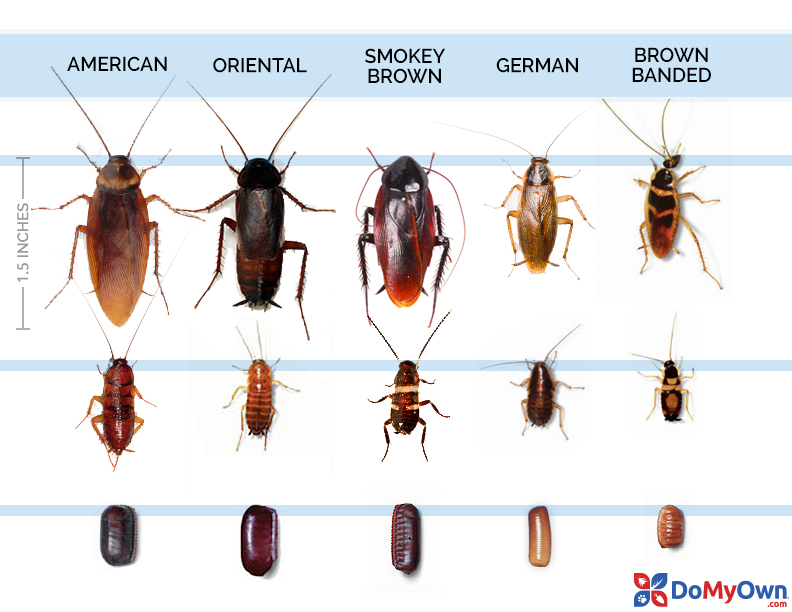
Module 4 – Page 26
Module 4 – Page 28
Module 5 – Page 5
Module 5 – Page 8
Module 5 – Page 9
Module 5 – Page 24
Module 5 – Page 25
Module 5 – Page 32
Module 6 – Page 12
Module 7 – Page 6
Module 7 – Page 7
- American National Standards Institute
- National Sanitation Foundation
- UL Solutions
- International Organization for Standardization (ISO)
- 3-A Sanitary Standards
- United States Department of Agriculture’s Agricultural Marketing Service
- American Society of Baking ANSI Standards
- Consumer Brands Association
Module 7 – Page 17
- Selecting and Purchasing Food Process Equipment – Oklahoma State University Extension
- Selecting and Purchasing Used Food Processing Equipment – Oklahoma State University Extension
- Selection and Purchase of Used Food Processing Equipment – Kansas Cooperative Extension Service
- 6 Considerations When Choosing A Food Processing Equipment Manufacturer
- Food Processing Suppliers Association
- Food Online
- Association for Packaging and Processing Technologies
- The Thomas Register – Food Processing Equipment
- The Thomas Register – Nutraceutical, Supplement & Vitamin Packaging Equipment
- The Thomas Register – Pharmaceutical Processing Equipment
- Nutraceuticals World Buyersguide for Machinery and Equipment
- Food Processing Magazine
Module 7 – Page 30
- Boiling Point Calculator
- FDA Food Code 2022 (10th Edition)
- National Institute of Standards and Technology
- Thermometer Calibration Guide Kansas State University Extension Publication
Module 7 – Page 31
Module 7 – Page 36
Module 8 – Page 14
Module 8 – Page 19
Module 8 – Page 20
Module 8 – Page 21
- EPA: Pesticide Product and Label System
- State Department of Environmental Conservation or Health
- New York State Pesticide Administration Database
Module 8 – Page 22
Module 8 – Page 27
- University of Florida: Basic Elements of Equipment Cleaning and Sanitizing in Food Processing and Handling Operations
- Seafood Network Info Center at Oregon State University
- JIFSAN Effective Cleaning and Sanitizing Procedures
- Arizona Dept. of Public Health Services: Food Equipment Cleaning and Sanitizing
- Institute for Food Safety at Cornell University: Cleaning, Sanitizing and Hygienic Design in Fresh Produce Packing Facilities
- Sanitation Tools
- Thomas Net
- Food Manufacturing
- MacRae's Blue Book
Module 8 – Page 36
- United Fresh Produce Association's Microbiological Testing of Fresh Produce
- International Fresh Produce Association Sampling and Testing
- FDA's Control of Listeria monocytogenes in Ready-To-Eat Foods: Guidance for Industry Draft Guidance
- FDA's Bacteriological Analytical Manual (BAM)
- Neogen's Food and Beverage Environmental Monitoring Handbook
- Eurofin's Food & Supplement Allergen Environmental Monitoring Guide
- Allergen Validation: Analytical Methods and Scientific Support for a Visually Clean Standard
- Choosing an Allergen Test Kit
Module 8 – Page 39
Module 8 – Page 50
Module 8 – Page 54
Module 9 – Page 22
- FDA: The Bad Bug Book
- FDA: Bacteriological Analytical Manual (BAM)
- Bacillus cereus
- Burkholderia cepacia complex
- doi.org/10.1128/CMR.00139-19
- Pseudomonas aeruginosa
- Pseudomonas spp.
Module 9 – Page 23
- FDA: Action Levels for Poisonous or Deleterious Substances In Human Food and Animal Feed
- FDA: Chemical, Metals, Natural Toxins & Pesticides Guidance Documents & Regulations
- Food Chemicals Codex
- 21 CFR Part 109: Unavoidable Contaminants in Food for Human Consumption and Food-Packaging Material
Module 9 – Page 24
Module 9 – Page 25
- FDA: Fish and Fishery Products Hazards and Controls Guide
- FDA: Blue-Green Algae Products and Microcystins
- FDA: Arsenic in Food and Dietary Supplements
- FDA: Lead in Food, Foodwares, and Dietary Supplements
- FDA: Mercury in Food and Dietary Supplements
- USP: Standards for Residual Solvents
- EPA: Regulation of Pesticide Residues on Food
- 40 CFR Part 180 - Tolerances and Exemptions for Pesticide Chemical Residues in Food
- FDA Advises Dietary Supplement Manufacturers to Remove Comfrey Products From the Market
- Small Entity Compliance Guide: Final Rule Declaring Dietary Supplements Containing Ephedrine Alkaloids Adulterated Because They Present an Unreasonable Risk
- Dietary Supplement Ingredient Directory
Module 9 – Page 26
Module 9 – Page 31
Module 10 – Page 8
- FDA Laboratory Methods (Food)
- AOAC International The Official Methods of Analysis Program (OMA)
- AOAC International Appendix K: Guidelines for Dietary Supplements and Botanicals
- NIST Standard Reference Materials
- USP Dietary Supplement Reference Standards
- LGC Reference Materials
Module 10 – Page 11
Module 10 – Page 13
- Dietary Supplement Component Supplier Qualification: A Voluntary Guideline
- Certificate of Analysis for Dietary Supplement Components: A Voluntary Guideline
- Sample Template Certificate of Analysis for a Botanical
- Sample Template Certificate of Analysis for a Non-botanical
- FSMA Foreign Supplier Verification Programs (FSVP) Rule
Module 12 – Page 19
- Food Process Authorities by State
- 21 CFR Part 113 - Thermally Processed Low-Acid Foods Packaged in Hermetically Sealed Containers
- 21 CFR Part 114 - Acidified Foods
- 21 CFR Part 120 - Hazard Analysis and Critical Control Point (HACCP) Systems
- 21 CFR Part 123 - Fish and Fishery Products
Module 12 – Page 21
- FDA: Draft Guidance for Industry: Hazard Analysis and Risk-Based Preventive Controls for Human Food
- Download Chapter 4 and view pages 7–12
- National Conference on Interstate Milk Shipments (NCIMS) Model Documents: Grade "A" Pasteurized Milk Ordinance (PMO)
- 21 CFR 1240.61: Mandatory Pasteurization for All Milk and Milk Products in Final Package Form Intended for Direct Human Consumption
- FDA: FDA Juice HACCP Guidelines
- FDA: 21 CFR 113 Thermally Processed Low-Acid Foods Packaged in Hermetically Sealed Containers
Module 12 – Page 22
- FDA: FDA Food Code
- View Temperature and Time Control: 3-501.13 Thawing on page 77
Module 12 – Page 23
- FDA: FDA Food Code
- View Freezing: 3-402.11 Parasite Destruction on page 74
- FDA: Draft Guidance for Industry: Hazard Analysis and Risk-Based Preventive Controls for Human Food
- Download Chapter 4 and view page 20
Module 12 – Page 25
- FDA: FDA Food Code
- View Temperature and Time Control: 3-501.14 Cooling and 3-501.15 Cooling Methods on page 78
Module 12 – Page 27
Module 12 – Page 28
- FDA: Acidified Foods Regulation (21 CFR 114)
- FDA: Draft Guidance for Industry: Hazard Analysis and Risk-Based Preventive Controls for Human Food
- Download Chapter 4 and view pages 24–27
- FDA: Thermally Processed Low-Acid Foods Packaged in Hermetically Sealed Containers (21 CFR 113)
- Cornell Food Venture Center (CFVC): Acid and Acidified Foods
- Cornell Food Venture Center (CFVC): Process Review Services
Module 12 – Page 29
- Oklahoma State University: Choosing and Using a pH Meter for Food Products
- USDA Microbiology Laboratory Guidebook
- Physical Examination of Meat and Poultry Products
- View section 2.3 Determination of pH in Meat and Poultry Products
- Physical Examination of Meat and Poultry Products
- FDA: Regulation for acidified foods 21 CFR 114
- FDA: Draft Guidance for Industry: Hazard Analysis and Risk-Based Preventive Controls for Human Food
- Download Chapter 4 and view pages 24–27
Module 12 – Page 31
- FDA: Draft Guidance for Industry: Hazard Analysis and Risk-Based Preventive Controls for Human Food
- Download Chapter 4 and view pages 20–24 (Use of aw as a Formulation Process Control) and pages 28-29 (Dehydration/Drying as a Process Control)
- Detecting aw in Samples with Alcohol
- Hallsworth, J. E., & Nomura, Y. (1999). A simple method to determine the water activity of ethanol-containing samples. Biotechnology and bioengineering, 62(2), 242–245.
- onlinelibrary.wiley.com/doi/10.1002/(SICI)1097-0290(19990120)62:2%3C242::AID-BIT15%3E3.0.CO;2-R
Module 12 – Page 32
- FDA: Measure Water Activity in Foods
- FDA: Draft Guidance for Industry: Hazard Analysis and Risk-Based Preventive Controls for Human Food
- Download Chapter 4 and view pages 20–24
- Cornell Food Venture Center Video: How to Measure Water Activity
- Best Water Activity Meters
- How to Measure Water Activity
- Scroll to the section at the bottom of the webpage to learn about the different ways to measure water activity.
- Detecting aw in Samples with Alcohol
- Hallsworth, J. E., & Nomura, Y. (1999). A simple method to determine the water activity of ethanol-containing samples. Biotechnology and bioengineering, 62(2), 242–245.
- onlinelibrary.wiley.com/doi/10.1002/(SICI)1097-0290(19990120)62:2%3C242::AID-BIT15%3E3.0.CO;2-R
Module 12 – Page 33
- USDA Appendix A Revised: FSIS Cooking Guideline for Meat and Poultry Products (Revised Appendix A)
- USDA Appendix B Revised: FSIS Stabilization Guideline for Meat and Poultry Products (Revised Appendix B)
- FDA: FDA Fish and Fishery Products Hazards and Controls Guide
- Dairy Grade A Voluntary HACCP
- FDA: FDA Juice HACCP Guidelines
- FDA: 21 CFR 113 Thermally Processed Low-Acid Foods Packaged in Hermetically Sealed Containers
- FDA: 21 CFR 114 Acidified Foods
- USDA: Compliance Guidance
- USDA: USDA Food Safety and Inspection Service (FSIS) Compliance Guides
- FDA: Draft Guidance for Industry: Hazard Analysis and Risk-Based Preventive Controls for Human Food
- FDA: FDA Food Code
- Association of Food and Drug Officials (AFDO) List of Food Processing Authorities by State
Module 13 – Page 5
- FDA: Compliance Policy Guide Sec 555.425 Foods, Adulteration Involving hard or Sharp Foreign Objects
Module 13 – Page 7
Module 15 – Page 12
- FDA Safety Reporting Portal
- MedWatch Form
- Form FDA 3500A
- FDA's Questions and Answers Regarding Adverse Event Reporting and Recordkeeping for Dietary Supplements as Required by the Dietary Supplement and Nonprescription Drug Consumer Protection Act
- FDA's Safety Reporting Portal
- MedWatch Forms for FDA Safety Reporting (see MedWatch for Industry FDA Form 3500A pdf)
- FDA's How to Report a Problem with Dietary Supplements
Module 15 – Page 16
Module 15 – Page 18
Module 15 – Page 31
Module 16 – Page 3
Module 16 – Page 4
- FDA: What Should I Expect During an Inspection
- FDA: Reports, Manuals, and Forms
- FDA's Compliance Program Guidance Manual (CPGM): Dietary Supplements - Foreign and Domestic Inspections, Sampling, and Imports
- FDA's Investigations Operations Manual
- FDA's Inspection Observations
- FDA's Data Dashboard for Inspections
Module 16 – Page 8
- Penn State Extension's Guide to Writing Sanitation Standard Operating Procedures
- Cornell Dairy Foods Extension Program's Standard Operating Procedures
- Consumer Brands Association SSOP Guidance Checklist
- Seafood HACCP Alliance's Sanitation Control Procedures Course Manual
- Sanitation Resources at the Seafood Network Info Center
- USDA Food Safety Inspection Services Sample SSOP
Module 16 – Page 12
- University of Georgia Cleaning, Sanitizing and Pest Control in Food Processing and Storage and Service Areas Fact Sheet
- FDA: FDA Self Inspection Checklist
- SSOP Generic Models and Forms
- Oregon State University: Seafood Network Information Center: Seafood Sanitation
Module 16 – Page 19
- Cornell University Food Science Extension Programs Training Opportunities
- National Sanitation Foundation (NSF)
- Institute of Food Technologists
- International Association for Food Protection
- USDA Food Safety and Inspection Service Resource Center
- Consumer Brands Association (formerly Grocery Manufacturers Association)
- Penn State Food Safety and Sanitation for Food Manufacturers
- International Dairy Foods Association
- American Institute of Baking Online Course Catalog
- Council for Responsible Nutrition
- United Natural Products Alliance
- Consumer Healthcare Products Association
- American Herbal Products Association
- Natural Products Association
Module 16 – Page 22
Module 16 – Page 23
- FDA FSMA Final Rule for Preventive Controls for Human Food
- FDA Key Facts About Preventive Controls for Human Food Rule
- FDA Factsheet on Sanitary Transportation Rule
- FSMA Final Rule on Sanitary Transportation of Human and Animal Food
- FDA's FSMA Final Rule on Foreign Supplier Verification Programs (FSVP) for Importers of Food for Humans and Animals
- FDA's KEY REQUIREMENTS: Final Rule on Foreign Supplier Verification Programs
- FSMA Final Rules
- 21 CFR Part 113 - Thermally Processed Low-Acid Foods Packaged in Hermetically Sealed Containers
- 21 CFR Part 114 - Acidified Foods
- 21 CFR Part 120 - Hazard Analysis and Critical Control Point (HACCP) Systems
- 21 CFR Part 123 - Fish and Fishery Products
Module 16 – Page 24
- Council for Responsible Nutrition
- United Natural Products Alliance
- Consumer Healthcare Products Association
- American Herbal Products Association
- Natural Products Association
- Regulatory Affairs Professionals Society
- American National Standards Institute
- FDA Guidance for Industry: Current Good Manufacturing Practice in Manufacturing, Packaging, Labeling, or Holding Operations for Dietary Supplements; Small Entity Compliance Guide
- FDA Guidance for Industry: Considerations Regarding Substances Added to Foods, Including Beverages and Dietary Supplements
- USDA Internet Resources
- USDA Food Safety Research Information Office (FSRIO)
- Pennsylvania State University Database
- Links to State Food Safety Agencies
- AFDO Resources
- Background Information: Dietary Supplements
- Dietary Supplement Fact Sheets
- Dictionary of Dietary Supplement Terms