Interdisciplinary approaches are needed to sustainably resolve environmental problems. Our visionary faculty and passionate students make this possible at Cornell.

We explore the past, consider the present and plan the future.

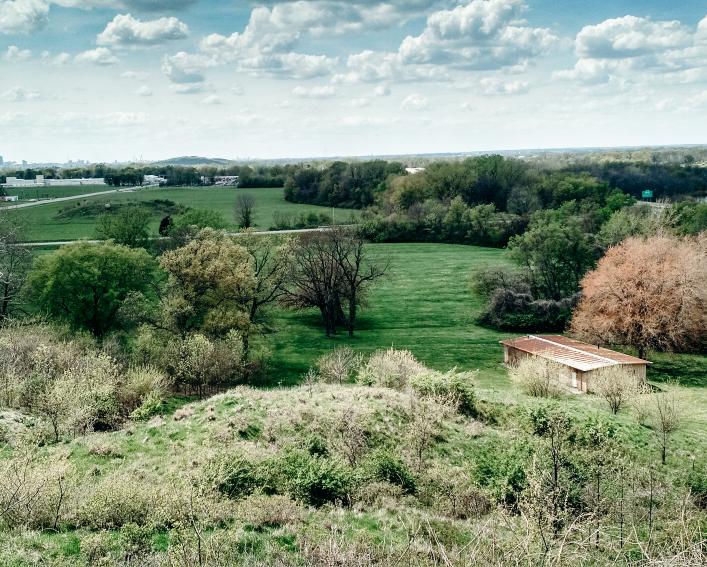
We contrast modern and ancient cities, as in this distant view of St. Louis from Monks Mound, central structure of the largest city of the Mississippian culture that prevailed across the eastern U.S. for centuries, prior to European colonization.

We span boundaries between humans and sensitive environments.

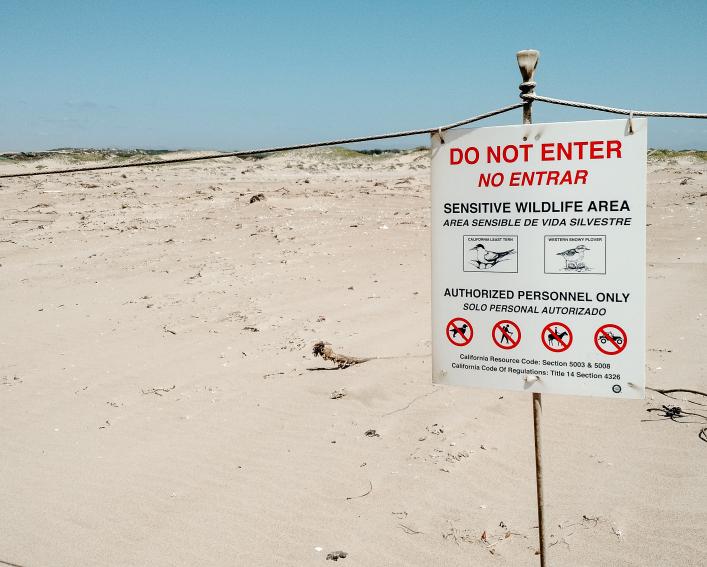
We work to understand the capacity for humans to share the earth with the vast diversity of all living things. This sign at the Guadalupe-Nipomo Dunes Complex in coastal California alerts beachgoers to nesting California least terns and Western snowy plovers.

We get our feet wet.

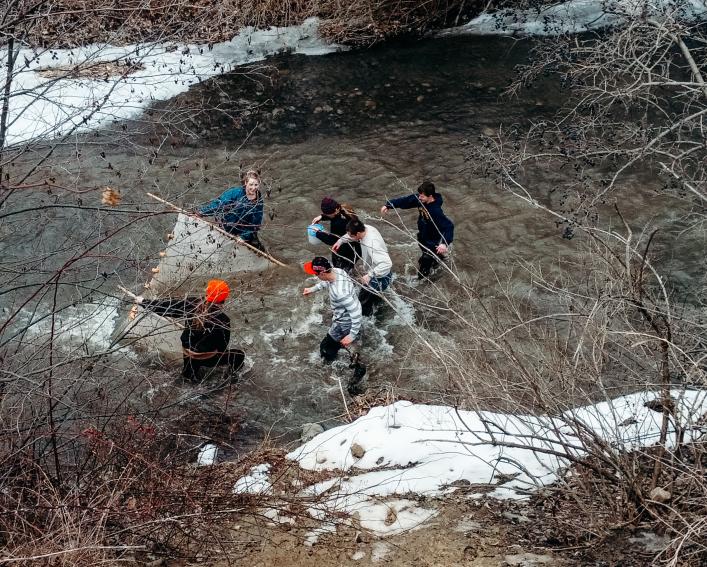
We aim to experience all kinds of environments in all kinds of weather. We are ready to look at what thrives, whether the weather is hot, cold, wet or dry.

We go where decisions are made.

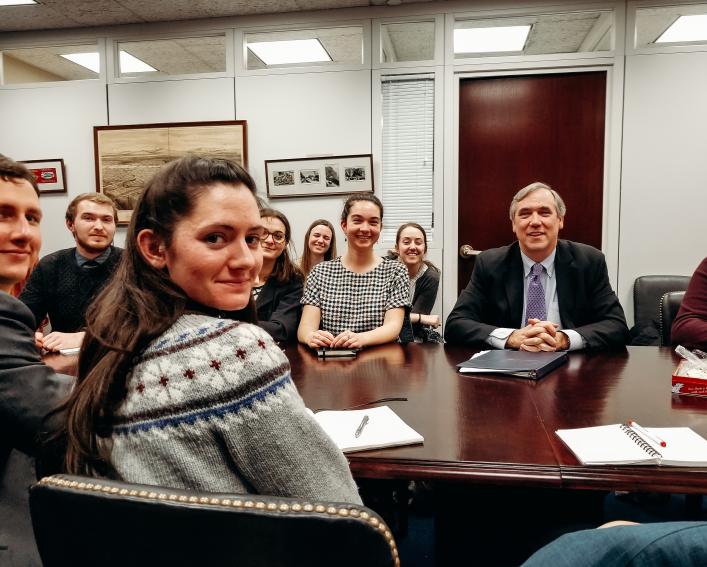
Each year our students meet and work with decision-makers in New York City, Washington D.C., Bonn and throughout the world. Here we meet with Oregon Senator Jeff Merkley.

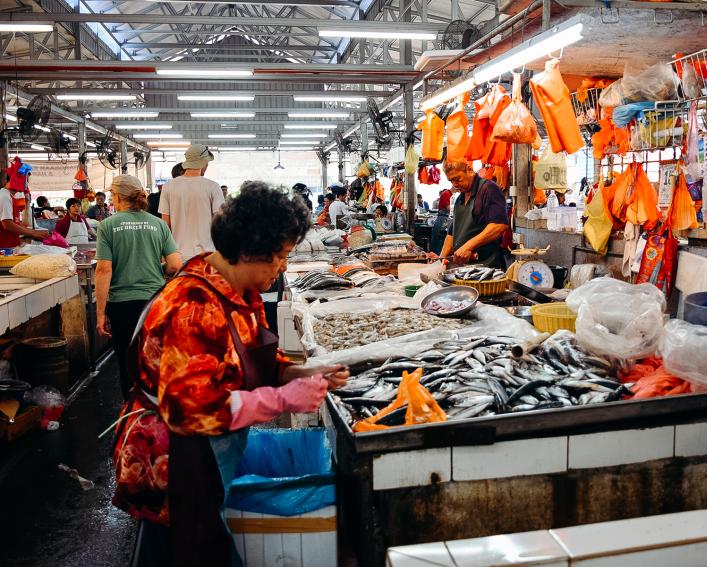
We explore food security across the globe. 

Food sold in this Kuala Lumpur, Malaysia outdoor market reflects the multiple contrasts of food availability throughout the world.

We examine how cultural practices develop.

This advertisement in Beijing, China was part of a campaign to stop the illegal trade of ivory.

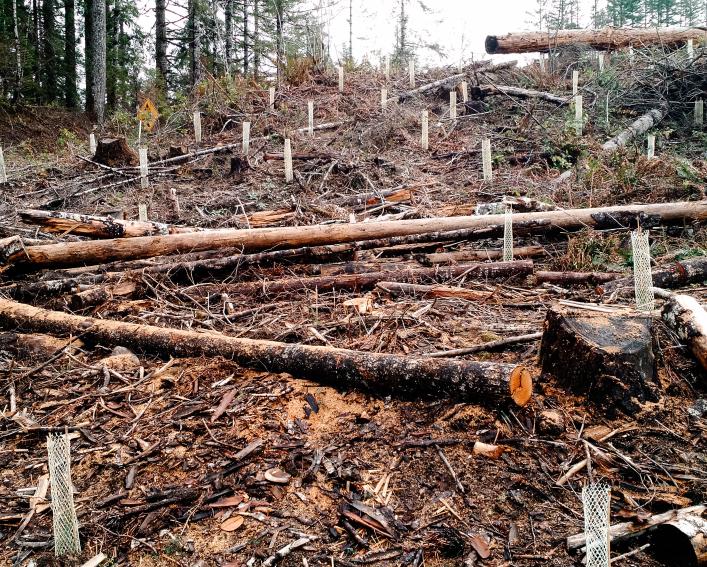
We evaluate restored habitats. 

We examine altered biophysical processes in disturbed landscapes, such as this clear-cut forest in coastal Oregon, along with the economic impact of boom-and-bust natural resource extraction on nearby communities.

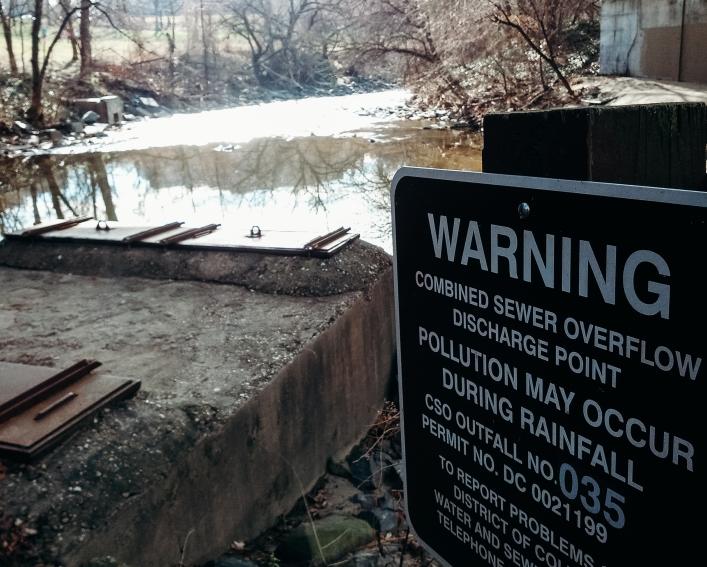
We compare inequities associated with environmental degradation.

This sewer outfall in the shadow of the U.S. Capitol highlights the issue of environmental justice and communities that disproportionately experience environmental degradation.

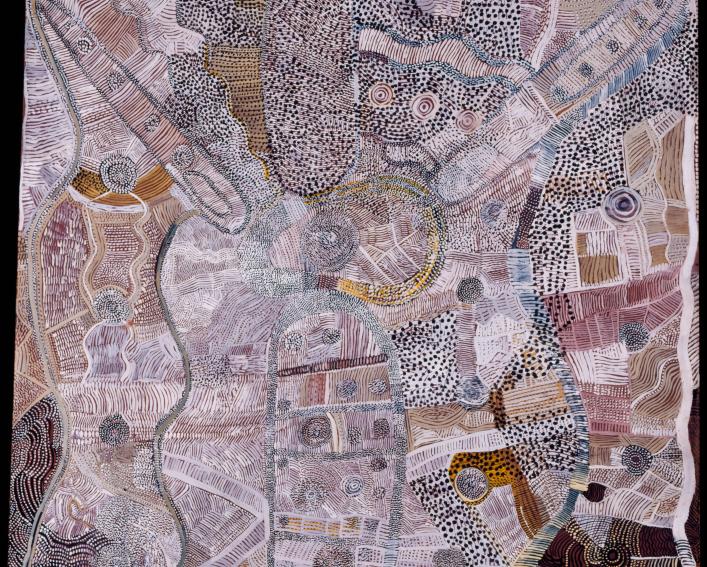
We engage the arts to understand people and their environments.

We use literature, art, music and forms of human expression that impact knowledge and action to reflect upon divergent visions grounded in human imagination, narration, reflection, and persuasion. “Water Dreaming at Kalipinypa” (copyright The Estate of Johnny Warangkula, courtesy of The Aboriginal Artist's Agency) was created by Australian aboriginal artist Johnny Warangkula. This and many other works by Warangkula focused on Kalipinypa, a location where water – a scarce resource in the central Australian desert – gathers after infrequent storms.

Distant view of St. Louis from Monks Mound
Warning sign on beach dune that reads "Do Not Enter"
Students seining river
A group of students in a conference room with Oregon Senator Jeff Merkley.
A woman stands in front of a container of fish at a Kuala Lumpur, Malaysia outdoor market.
Man crosses his arms in an "X" pattern in an advertisement in Beijing against the illegal trade of ivory.
A small hillside covered in harvested timber and protected tree plantings
Warning sign near sewer overflow area in Washington DC
Art by Johnny Warangkula

Environment & Sustainability news
person hauling in a tow net

News

New Project: Evaluating mysid abundance in Lake Michigan
The Great Lakes Fishery Commission recently funded a Cornell DNRE and CBFS group for a new two-year project “Evaluating mysid abundance in Lake Michigan using two decades of fisheries acoustic data.” This project will involve DNRE graduate...
  • Biological Field Station
  • Ashley School of Global Development and the Environment
  • Natural Resources and the Environment Section
Bee

News

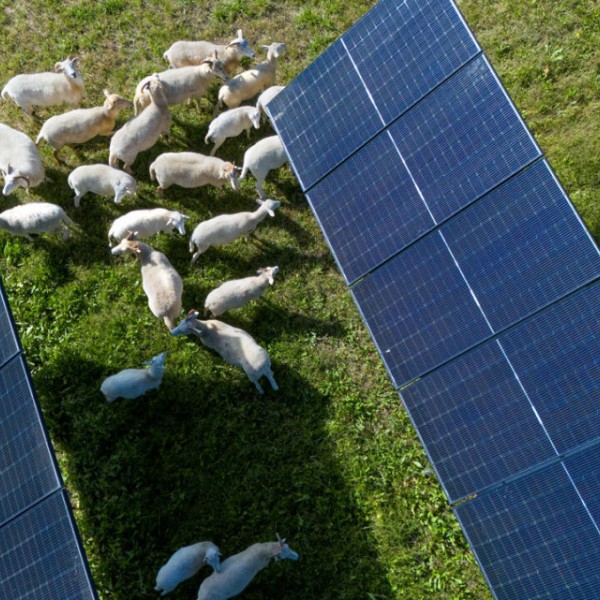
Five new projects from the Cornell Atkinson Center for Sustainability and The Nature Conservancy seek to protect pollinators, restore oyster habitats, manage flood risk and support “cattlevoltaics.”

  • Cornell Atkinson
  • Ashley School of Global Development and the Environment
  • Natural Resources and the Environment Section
person standing next to poster at conference

News

The New York Chapter and Northeastern Division of the American Fisheries Society annual meeting was held in Saratoga, New York, from February 4-6. Seven Cornell Biological Field Station (CBFS) representatives attended, including Tom Brooking...
  • Biological Field Station
  • Ashley School of Global Development and the Environment
  • Natural Resources and the Environment Section
a woman puts a sample into a bombcalorimeter

Field Note

by Jackie Swift Jocelyn Nashtatik ’28 is a sophomore in Animal Science with a concentration in pre-veterinary medicine. Currently she is an undergraduate researcher in the lab of Joseph McFadden , associate professor of dairy cattle biology. We...
  • Animal Science
  • Animals
  • Climate Change
Scott Morris with plants in a greenhouse

News

At high densities, white-tailed deer inhibit growth of trees but increase the overall diversity of smaller plant and weed species, according to a long-term study published Dec. 23 in PLOS One. Twenty years ago, Cornell researchers established...
  • Cornell University Agricultural Experiment Station
  • Ecology and Evolutionary Biology
  • School of Integrative Plant Science