

With Oneida Lake changing through invasive species, resurgence of native species and climate change, it was time for an update of our Oneida Lake Profile. Last version was written in 2006. Since then, there is even more clear patterns of increasing temperatures and decreasing ice cover, but we also saw the rise of quagga mussels as the dominant species in the lake, increases in native species like burrowing mayflies and phantom midges, arrival of two important new invasives – round goby and spiny water flea, and increases in walleye and yellow perch. The Oneida Lake Profile 2025 was created by Cornell University staff (Lars Rudstam, Kristen Holeck, Tony VanDeValk, Tom Brooking, Randy Jackson, Jennifer Arnold, Zoe Almeida) and directors of the Oneida Lake Association (Ed Mills, Amy Hetherington). Funding was provided by NYSDEC and Cornell’s Brown Endowment. The whole profile is on the CBFS web site.
Keep Exploring
News
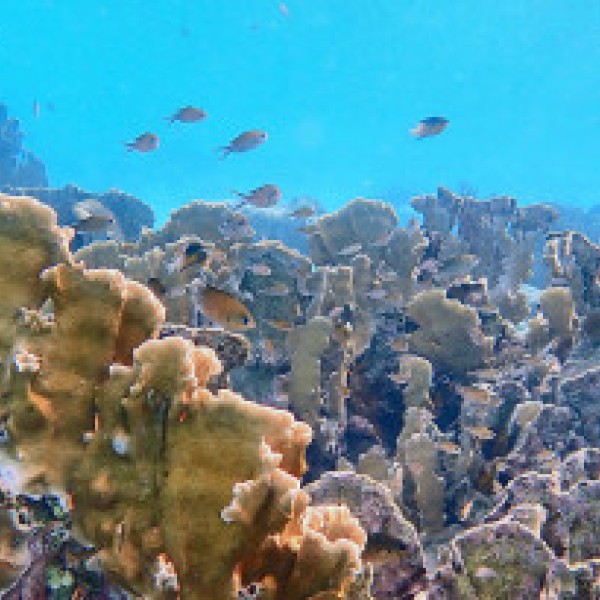
A doctoral student and a team of Cornell researchers and colleagues created WildFin, a data set composed of nine hours of video that they labeled frame-by-frame with fish behaviors.
News
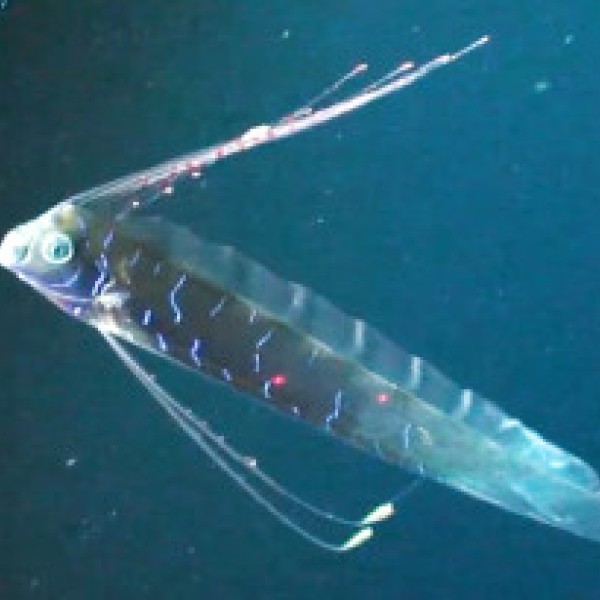
Oarfish, giant fish rarely spotted by humans, have hundreds of unique dorsal fin rays, which help propel the fish forward.

We openly share valuable knowledge.
Sign up for more insights, discoveries and solutions.
Please enter a valid email address to subscribe to the newsletter.