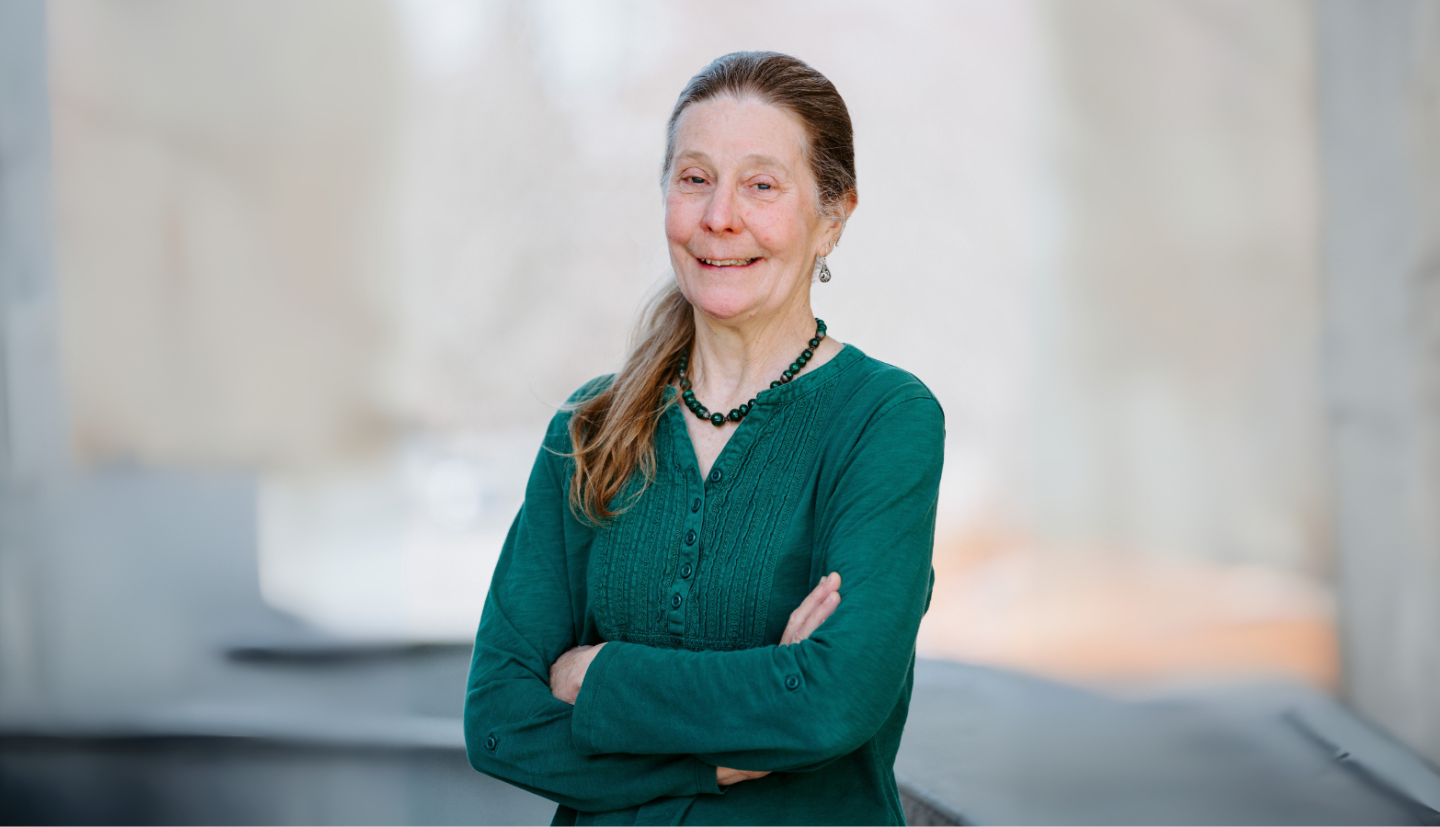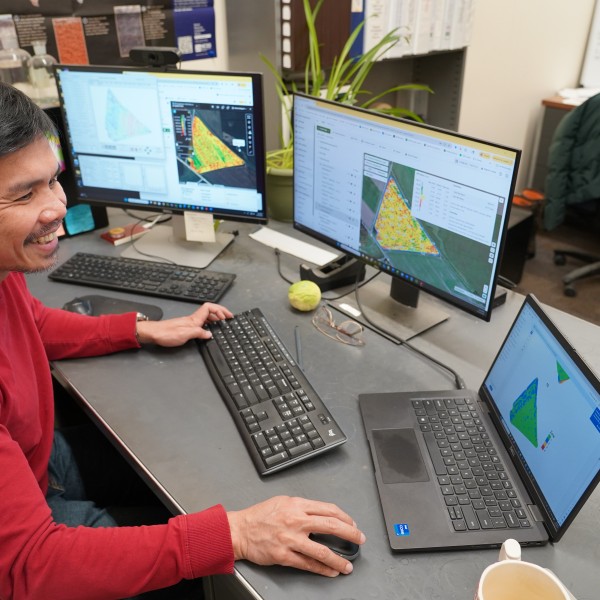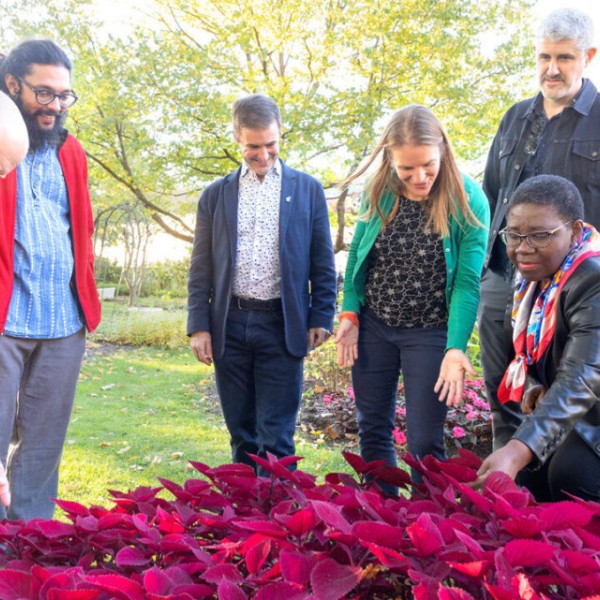
Dean Benjamin Houlton has appointed Antonio DiTommaso to the role of associate dean and director of the Cornell University Agricultural Experiment Station (Cornell AES), effective Aug. 1. A professor of weed ecology in the School of Integrative Plant Science (SIPS) and currently associate director of Cornell AES, DiTommaso will succeed Margaret Smith, who is stepping down after 17 years in Cornell AES leadership.
“Margaret and Toni exemplify researchers and leaders who are committed to the public good,” said Ben Houlton, the Ronald P. Lynch Dean of the College of Agriculture and Life Sciences, which oversees Cornell AES. “The agricultural experiment station improves the lives and livelihoods of New Yorkers, protects our food supply and supports our communities. I’m deeply grateful to Margaret for her many years of service to Cornell AES and to Toni for stepping up now at this critical moment for our university and universities across the country.”
“I believe in the land grant mission and the key role that our experiment station plays in delivering research that’s valuable to our growers here in New York,” DiTommaso said. “These days when people are questioning the value of research, experiment stations are concrete examples of that value: developing new plant varieties that can resist pests or disease, helping growers address weed and climate pressures, and supporting our communities in so many ways.”
Cornell AES was founded in 1879 as part of a blossoming national commitment to education and research after the Civil War. The United States government established land grant universities in each state in 1862, and in 1887, Congress passed the Hatch Act to provide dedicated funding for states to perform research relevant to agriculture, environmental protection and community well-being. Cornell AES has been managing those funds on behalf of New Yorkers for 138 years; they support roughly 175 research projects each year, ranging from improving the health and productivity of dairy farms, to testing staple crops not traditionally grown in the Northeast, to harnessing the power of beneficial insects. Cornell AES also manages greenhouses, plant growth chambers and research farms on the university’s Ithaca campus and across New York.
Smith began serving as associate director of Cornell AES in 2008, before rising to associate dean and director in 2020. She is also a professor of plant breeding in SIPS. Smith is stepping down from Cornell AES leadership in anticipation of retiring next year. A corn breeder, Smith said Cornell AES has been critical in supporting her work developing field corn that’s more productive, more resistant to insect and disease pressures, and better adapted to New York growing conditions.