

Search for News & Stories
News
News
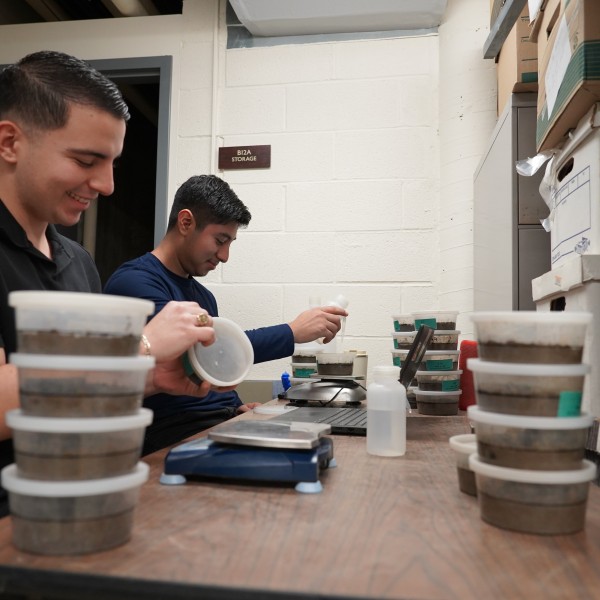
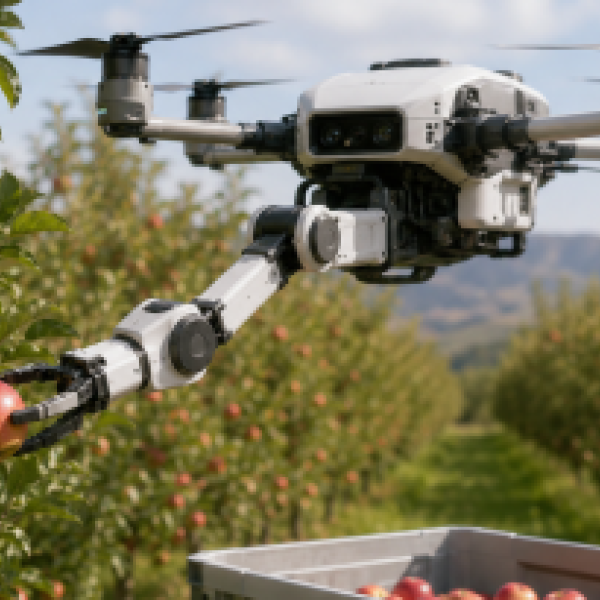
Thirteen Cornell students will spend the summer advancing new technologies for agriculture after receiving 2026 Research Innovation Fund awards from the Cornell Institute for Digital Agriculture.
News
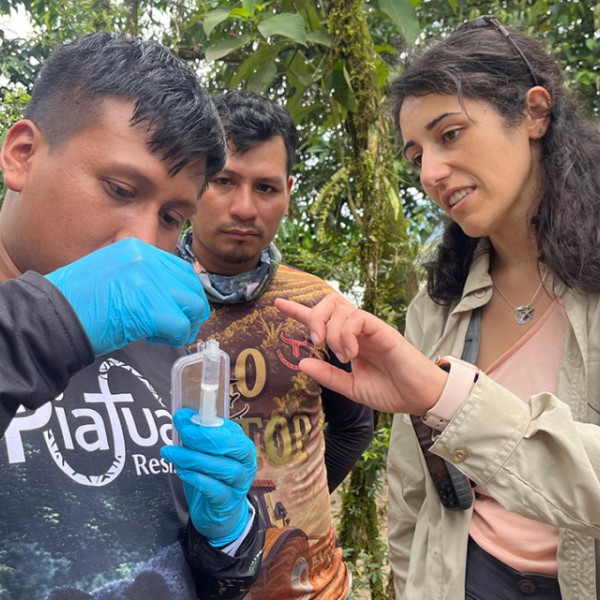
A Cornell graduate student and indigenous Ecuadorian partners are sampling eDNA in Amazonian riverways to understand how gold mining and other human disturbances impact aquatic biodiversity and ecosystem health.
News
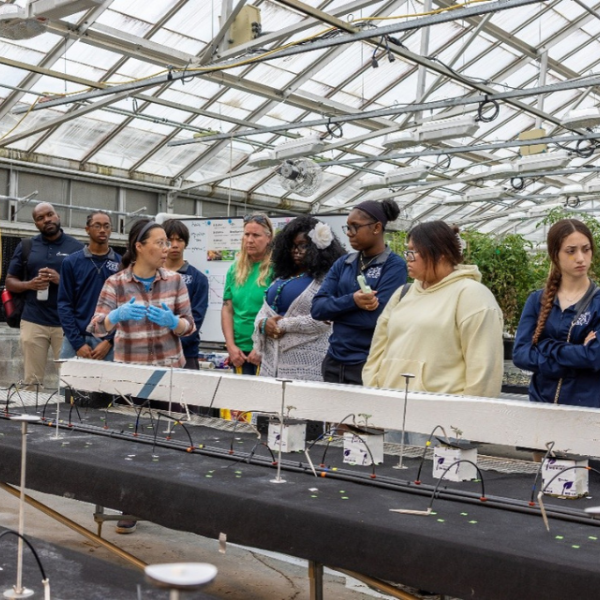
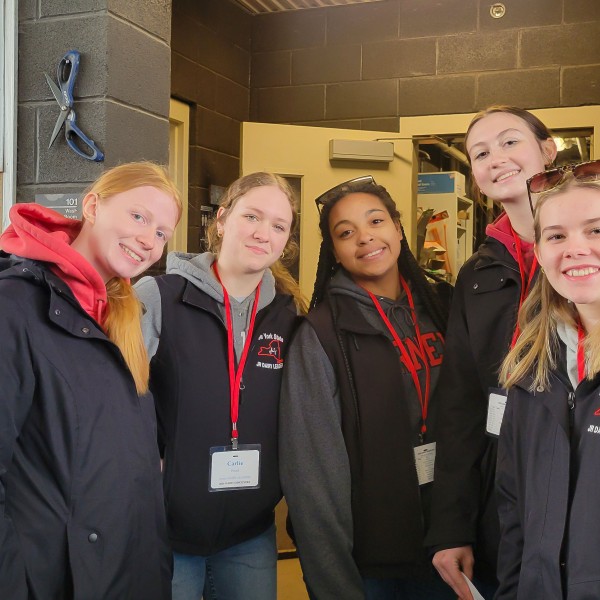
Students from Buffalo's McKinley High School — home to one of the few high-school horticulture programs in New York state — visited Cornell May 19 to view the work of the Center for Research on Programmable Plant Systems (CROPPS).
News
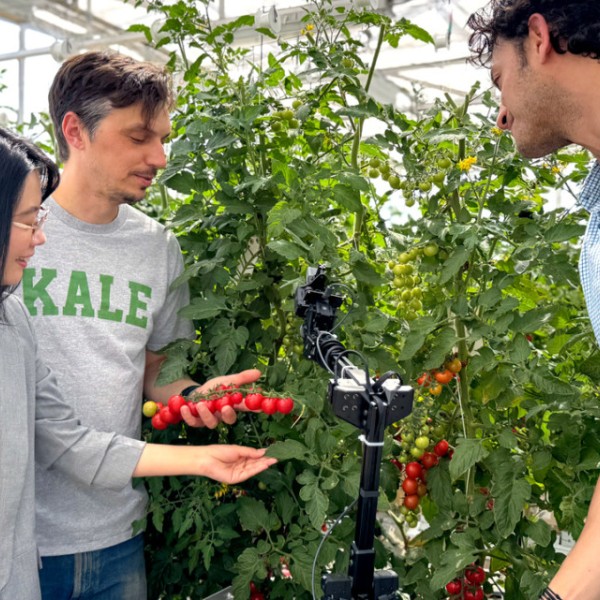
Cornell Atkinson has awarded $900k to support six new research projects that seek to protect coral reefs, improve greenhouse agriculture and understand whether wildfires affect disease spread.

News
News

News
Grocery shopping online could help SNAP families access healthy foods, especially for those with young children or long commutes to grocery stores.
News
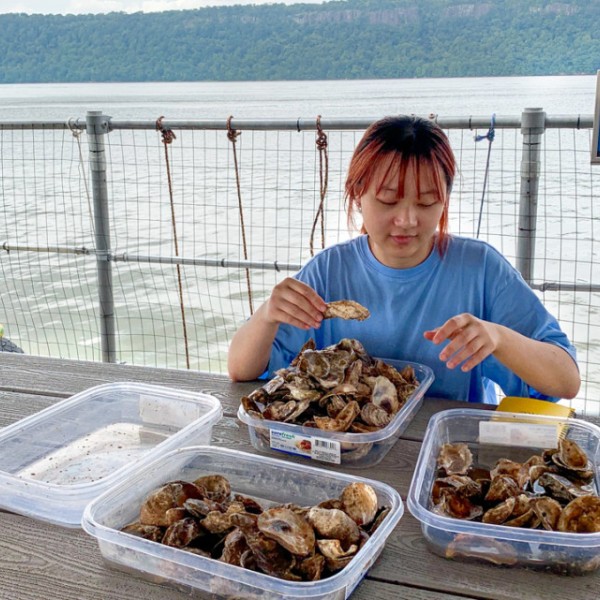
A new study offers genetic evidence and proof that farmed eastern oysters are adding to and breeding with wild eastern oyster populations in the western and central Long Island Sound.

News

News
Schwartz Research Fund Visionary Grants for faculty members in the life sciences aims to provide significant assistance for innovative, visionary research that opens an important new line of inquiry.
News
As the planet warms, wine-growing regions face an uncertain future. Should they double-down on what they grow or do something entirely different?

News
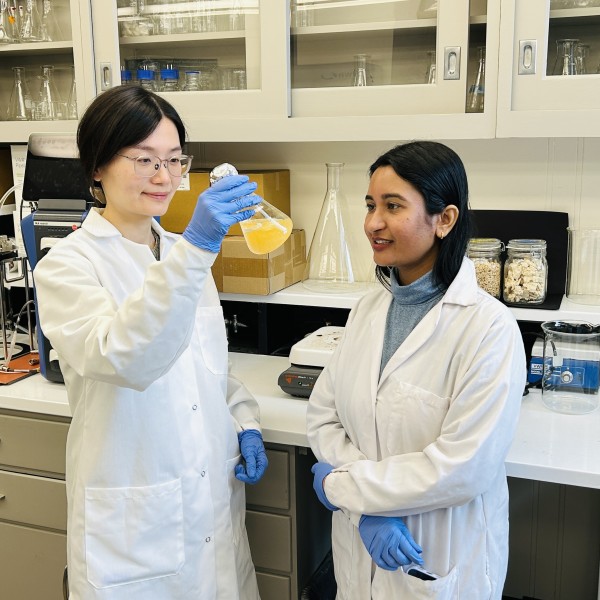
Across partisan lines, Americans broadly believe ultraprocessed foods are addictive and harmful, and support policies that could strengthen safeguards and hold the food industry accountable.
News

News
Eighteen faculty and staff members across Cornell’s state contract colleges have been named recipients of the 2025–26 State University of New York (SUNY) Chancellor’s Awards for Excellence.
News

News
News
News
The new freezing method – 30 times faster than current protocols – could be used to improve assisted reproduction in humans or animals or to conserve biodiversity.
News

We openly share valuable knowledge. Often through email.
Sign up for more insights, discoveries and solutions.