Back

Discover CALS

See how our current work and research is bringing new thinking and new solutions to some of today's biggest challenges.

|
By Paul Treadwell
Share
  • Cornell Cooperative Extension

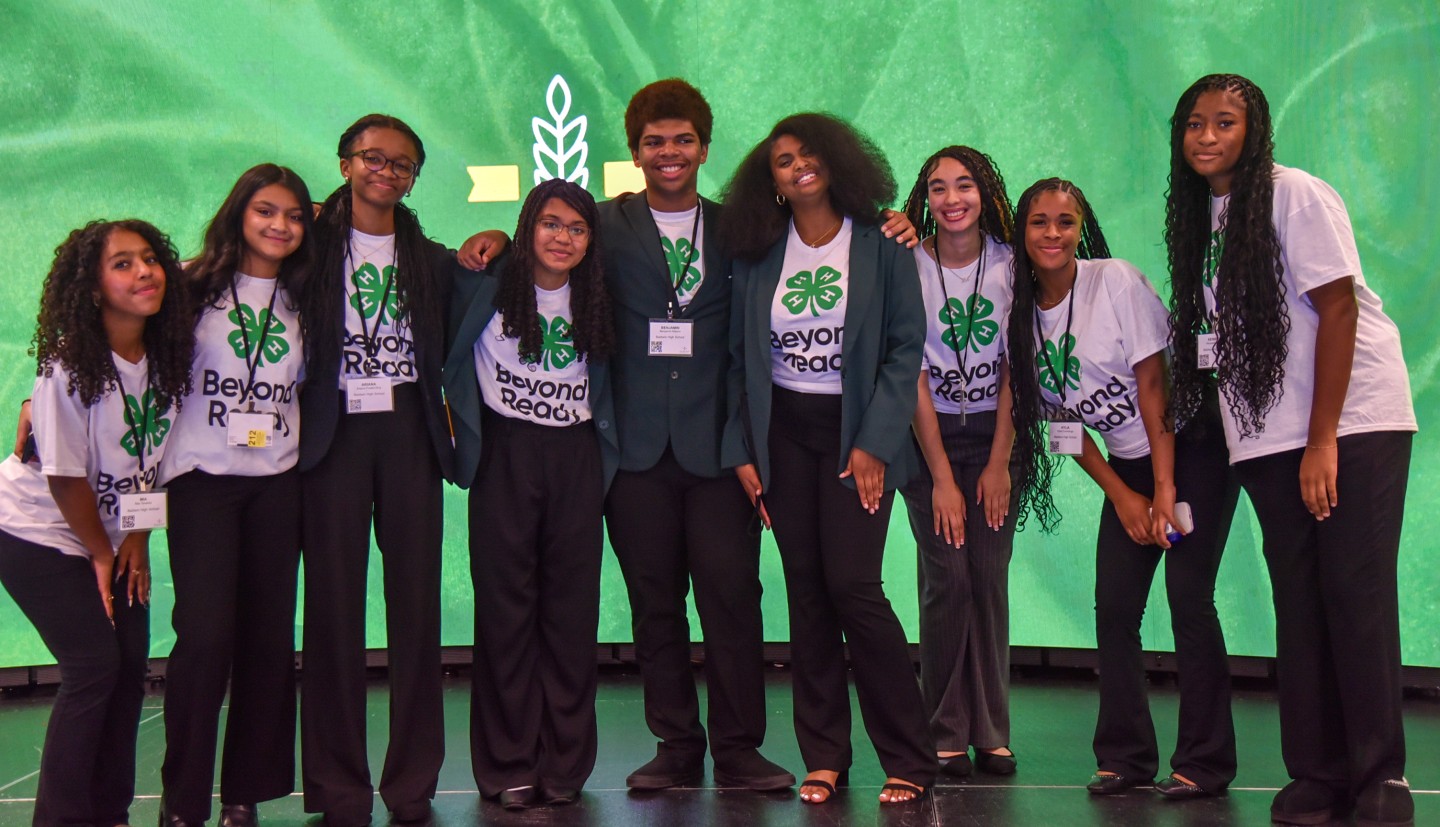
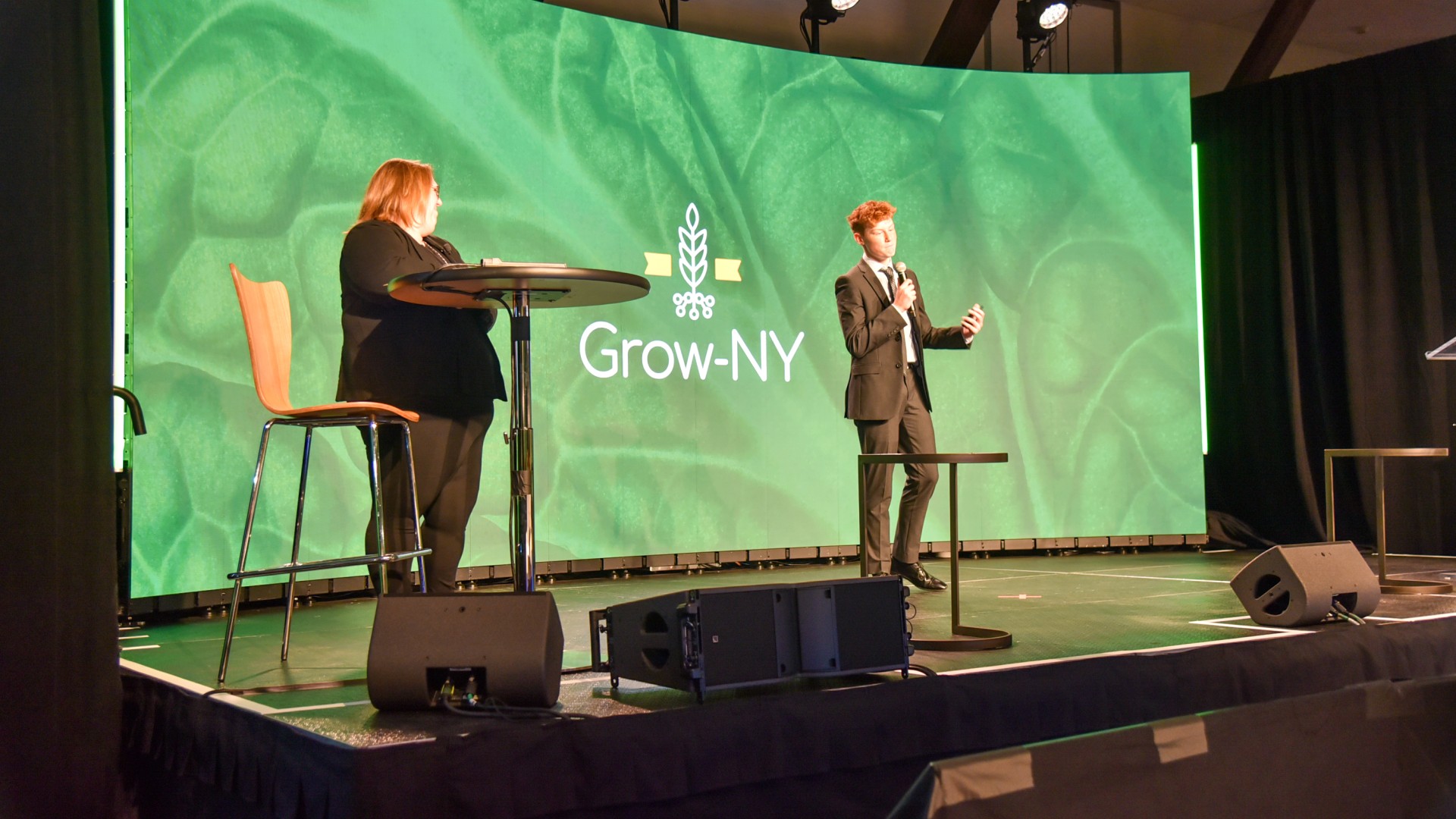
Competing for a grand prize of $1,000, eight finalists took the stage to pitch food-system innovations at the Grow-NY Youth Competition November 13 in Canandaigua, New York. The event, held on the final day of Empire State Development’s Grow-NY Food & Agriculture Startup Competition, showcased middle and high school students from across New York state developing solutions that link agriculture, technology and entrepreneurship.
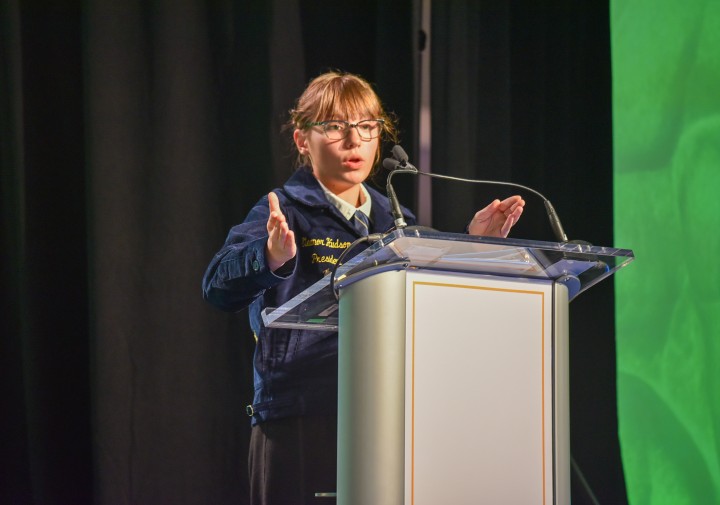
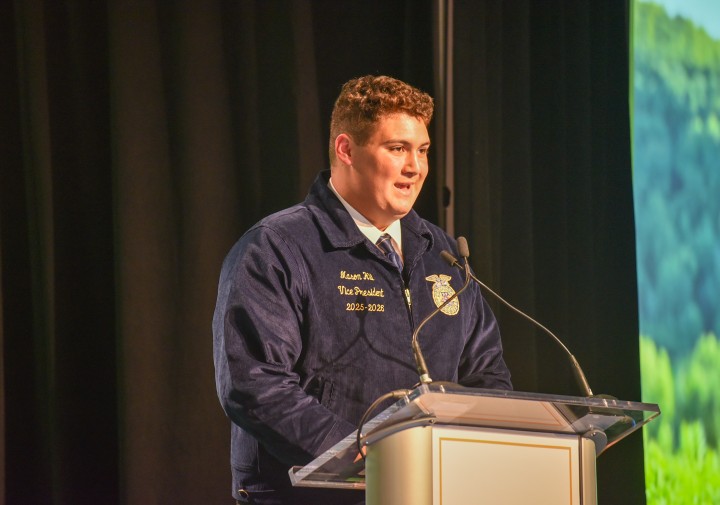
Supported by Cornell Cooperative Extension, Cornell University’s New York Agriculture in the Classroom, New York State 4-H and New York Future Farmers of America, youth competition finalists spent the morning refining presentations before stepping onstage and into the spotlight.

“Young people have ideas for tackling the world’s biggest problems, and this competition gives them a platform to share business solutions on a big stage,” said Alexa Maile, director of New York State 4-H.

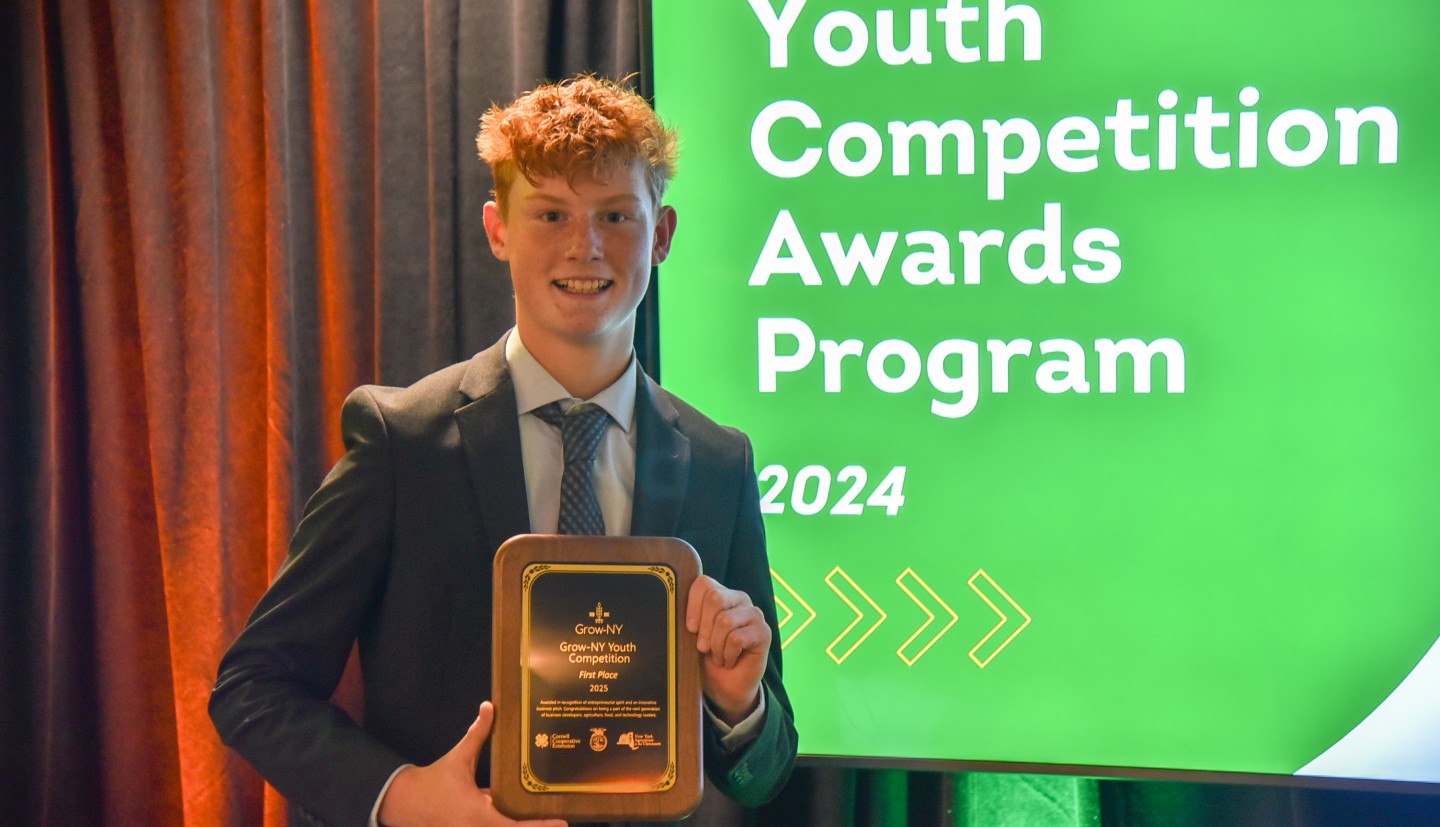
First place was awarded to Nate de Jong, a 4-Her from Erie County. His project, Soil Elevated, featured a digital platform to help users understand and improve soil health. “When my garden failed due to poor soil nutrients, it motivated me to learn more about soil and create this platform to help anyone maximize yields,” he told the judges. 

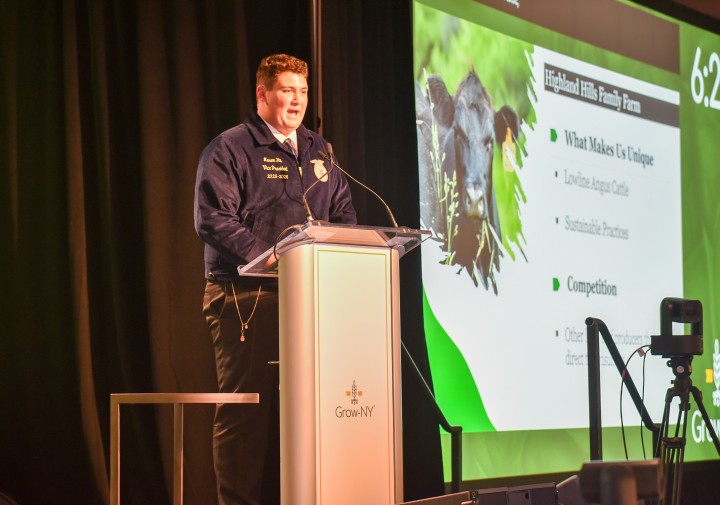
Second-place ($500) went to FFA member Mason Hill for expanding a Lowline Angus herd to advance sustainable beef production. CCE Broome County 4-Her Annaleen Aukema won a third-place prize of $250 for her freeze-dried pet food venture.

Other projects ranged from a biodegradable straw prototype to a digital platform for soil health, reflecting hands-on learning and a commitment to solving real-world challenges. A team from Baldwin High School in Nassau County drew inspiration from Aztec chinampas—floating islands of fertile land—to address water purification in Long Island Sound.

“By using eco-bricks and PLA plastic from our 3D printing, we can build a modern chinampa system that revitalizes local plant life and repurposes plastic waste across our community,” said team member Sanya Halyard.

Damali Wynter, assistant commissioner for the New York State Department of Agriculture and Markets, who served as a judge for the youth competition, said the event provides a glimpse into the future of agriculture entrepreneurship. “Agriculture goes far beyond pitchforks and overalls,” she said. “This youth competition shows its many applications and the excitement they inspire.”

Keep Exploring

Several red 'Crimson Beauty" raspberries hang from green leaves and stems.

Report

Relevance Raspberry and strawberry production in the United States is concentrated in California and Florida, where climate variability and rising costs challenge long-term sustainability. Demand for locally grown fruit is increasing, creating...
  • Cornell Cooperative Extension
Charles Midega (left) and Roy Odawa display the Kontiki kiln they modified to make biochar from human feces. Credit: Rebecca Nelson

News

Cornell researchers and Kenyan partners have developed a fertilizer made from human excreta. The product improves soil health and food production, while preventing pollution in informal settlements and the aquatic environment.

  • Ashley School of Global Development and the Environment
  • Global Development Section
  • Agriculture