Back

Discover CALS

See how our current work and research is bringing new thinking and new solutions to some of today's biggest challenges.

|
By Krisy Gashler
Share
  • Natural Resources and the Environment Section
  • Animals
  • Environment
  • Nature
  • Natural Resources
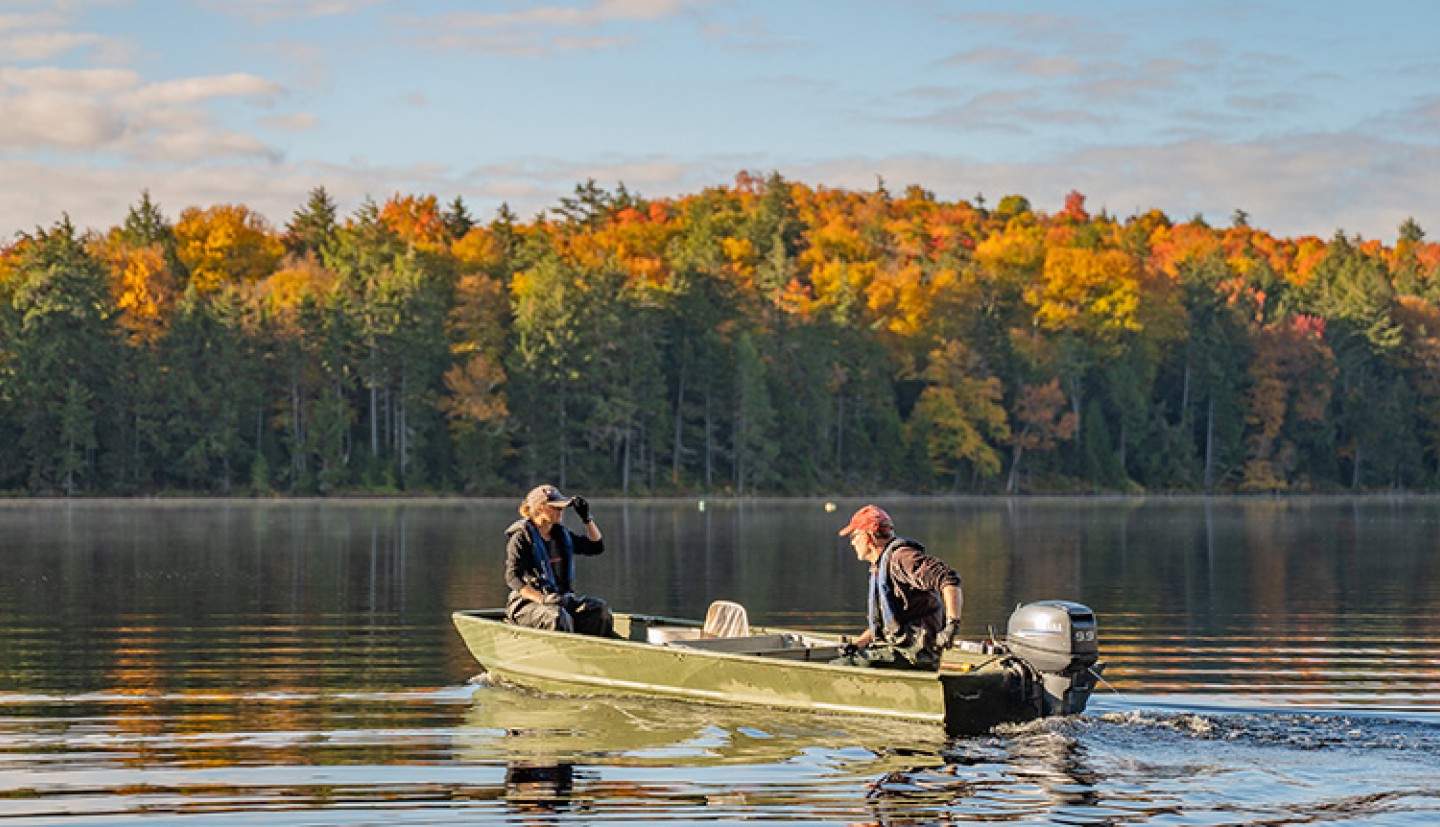
The New York Cooperative Fish and Wildlife Research Unit has been helping state and federal agencies manage fish and wildlife and protect ecosystems for over 60 years.

New York’s fishing industry contributes $5 billion annually to the state economy and supports an array of other public goods, including food securitymental healthsocial connection and wildlife conservation

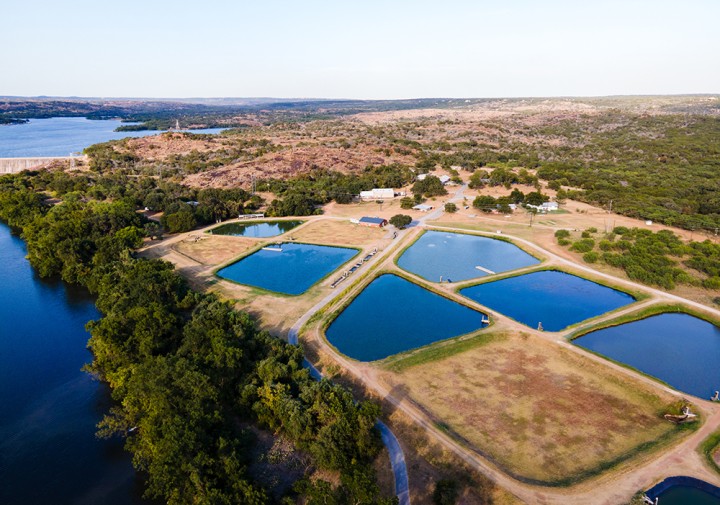
First established in 1864, the state’s fish hatchery system is the oldest in North America. Its 12 hatcheries, managed by the New York Department of Environmental Conservation (DEC), annually produce 850,000 pounds of fish stocked into 1,200 waterbodies. Five years ago, as DEC leaders considered how to preserve and restore aging infrastructure, they turned to the New York Cooperative Fish and Wildlife Research Unit at Cornell University. 

“We were trying to figure out how to maximize fish production, sustainability, worker safety and satisfaction, all while minimizing costs,” said Michael Schiavone, assistant director of DEC’s Division of Fish and Wildlife. “You can’t maximize and minimize all those things at the same time, so how do you strike the optimal balance? That’s really where the co-op unit comes in. They’re able to break a complex problem down into its component parts so you can make a difficult decision in a transparent way.” 

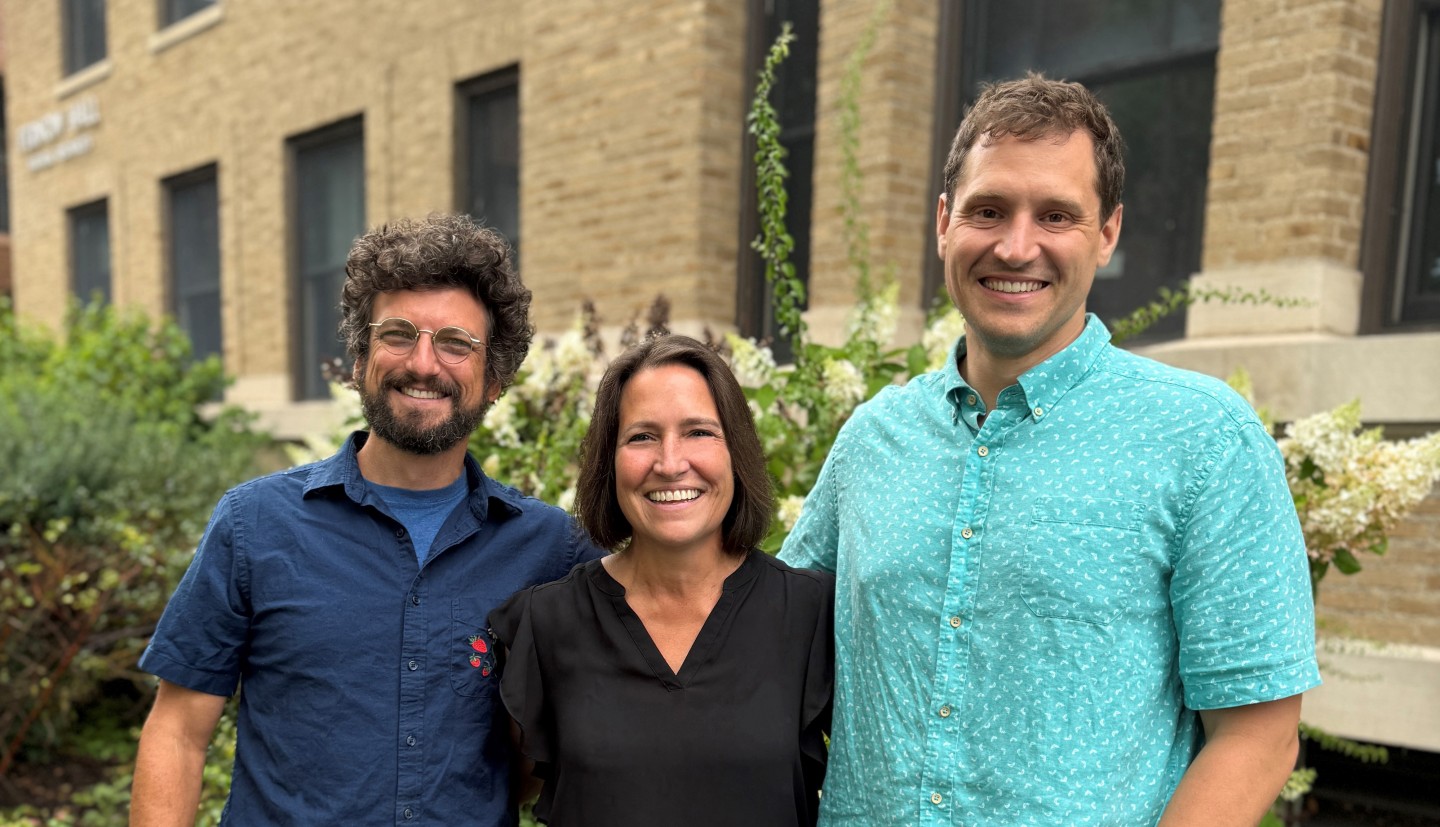
Angela Fuller, leader of the New York Cooperative Fish and Wildlife Research Unit and professor in Cornell’s Department of Natural Resources and the Environment, helped guide DEC’s decision-making process. Her team and collaborators integrated fish production data, energy and sustainability principles, staff satisfaction metrics and operational costs to compare multiple hatchery system alternatives. State-based co-op units are a unique, federally administered research partnership program run by the U.S. Geological Survey (USGS). Each unit is based at a land-grant university – in New York’s case, Cornell – where it is jointly supported by USGS, the host university, the state natural resource agency, the U.S. Fish and Wildlife Service (USFWS), and the nonprofit The Wildlife Management Institute. First established in Iowa in 1935, New York’s unit was founded in 1961. Forty-one states now host these cooperative research units. This partnership model provides a powerful bridge between academic science and on-the-ground conservation and management needs, Fuller said. 

“Our process starts by clearly defining the problem and clarifying the objectives,” she said. “From there, we develop management alternatives that give our partners the best chance to achieve those objectives. Whether we’re focused on fish, deer, bobcats, birds, or any other species, our goal is always to understand the social and ecological challenges facing New York and to support the state’s people, wildlife, and ecosystems.”

The DEC announced in May that it will invest $100 million toward a fish hatchery modernization plan that will rebuild some facilities, install renewable energy at others and enable state wildlife officials to respond to climatic disruptions that are jeopardizing freshwater fish species. Funding comes from the $4.2 billion Clean Water, Clean Air and Green Jobs Environmental Bond Act that state voters passed in 2022. 

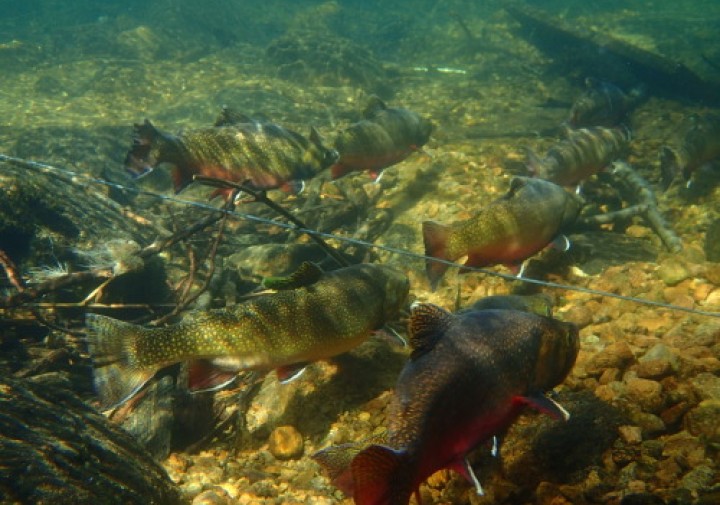
“We knew this was a once-in-a-lifetime opportunity to really reimagine some of the ways these fish hatcheries could benefit the state,” Schiavone said. “The fish hatchery system doesn’t just provide fish for recreation purposes, it provides fish for restoration purposes. Where we have healthy, suitable habitats, we can use the hatchery system to restore species and populations that are under threat, such as round whitefish and heritage-strain brook trout.”
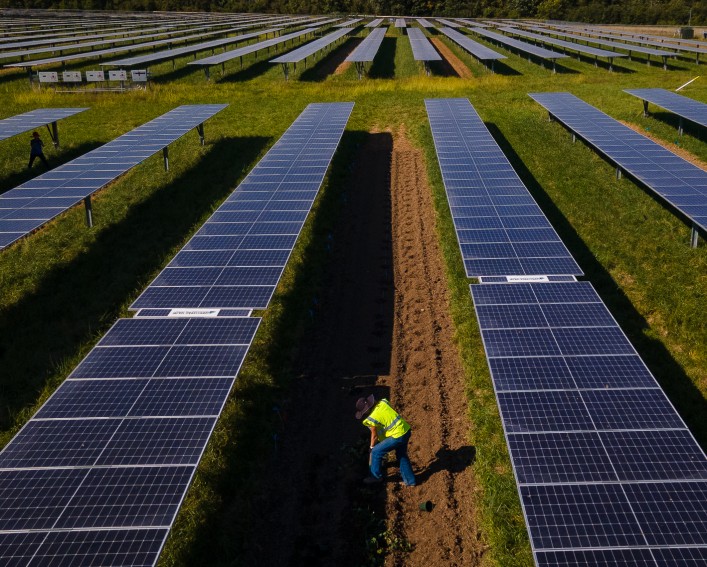
Fish hatchery modernization is just one of dozens of projects that Cornell’s Cooperative Research Unit has helped state and federal wildlife managers address. Steve Grodsky, assistant unit leader and assistant professor of natural resources and the environment, is studying, for example, the ecological impacts of solar energy buildout in New York, especially on grassland birds and agroecosystems. Chris Sullivan, also assistant unit leader and assistant professor of natural resources and the environment, is working to understand landscape-level changes in river and lake environments, in hopes of protecting species and ecosystems as the climate warms. 

The long-term collaboration between researchers and state and federal agencies is critical to conserving natural resources valued by humans, Grodsky said. 

“It’s a scientific reality that we need the environment to survive,” he said. “There’s a feedback loop between people and ecosystems, and we need to be able to maintain healthy ecosystems to support people. We’re contributing to the conservation of environmental resources and a sustainable future for New York.”

“Together with our partners, the NY Cooperative Fish and Wildlife Research Unit at Cornell delivers science to inform evidence-based conservation and management decisions that help New York's people, fish, wildlife and ecosystems,” Fuller said.

Research & Projects

The New York Cooperative Fish and Wildlife Research Unit conducts research and supports decision-making on dozens of projects important to New York’s people, wildlife and ecosystems. Here are just a few.

Research & Projects

Agrivoltaics

Steve Grodsky co-directs a new agrivoltaics research center at Cornell, alongside Toni DiTommaso, associate dean and director of the Cornell University Agricultural Experiment Station. The researchers will explore the co-location of crops and solar panels, including impacts on agroecology, weeds and crop yields.

Research & Projects

Bobcats

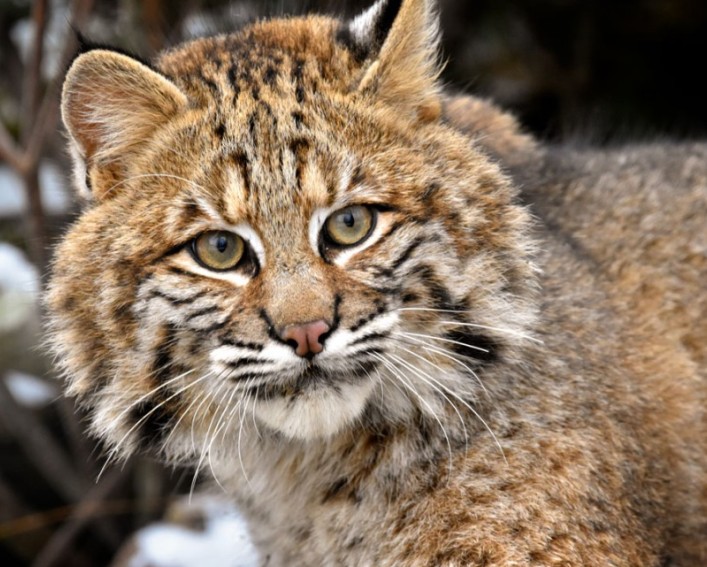
The New York co-op unit is working with the DEC to inform their bobcat management plan. To estimate the abundance of the elusive predators, Haley Turner, a master’s student in Angela Fuller’s lab, collaborates with over 200 private landowners to capture trail camera images and with trappers to safely capture bobcats for global positioning system (GPS) tracking. 

Research & Projects

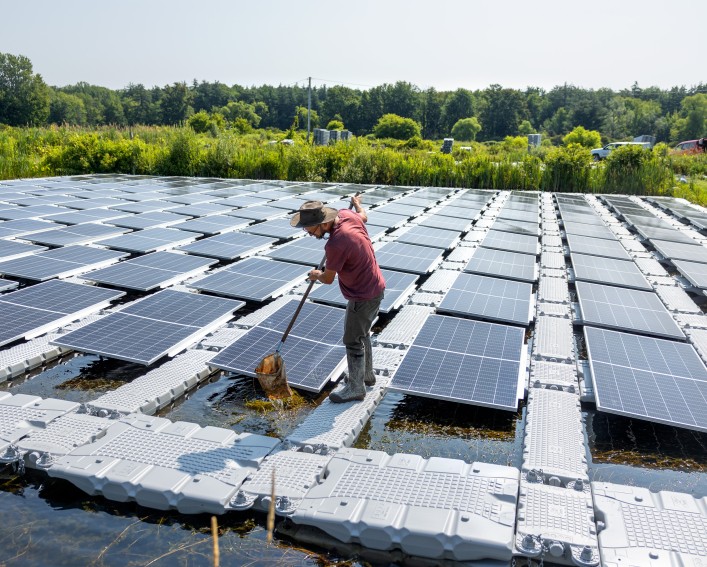
Floating solar

For the past several years, the New York co-op unit has undertaken experiments on floating solar at the Cornell Experimental Ponds Facility. In one of the first such experiments in the Western Hemisphere, Steve Grodsky and his colleagues found that solar atop water bodies produces more electricity than on land but decreases pond biodiversity, among other tradeoffs. In addition, they found that there is high technical potential for floating solar in the Northeast on only 3% of available waterbodies.

Research & Projects

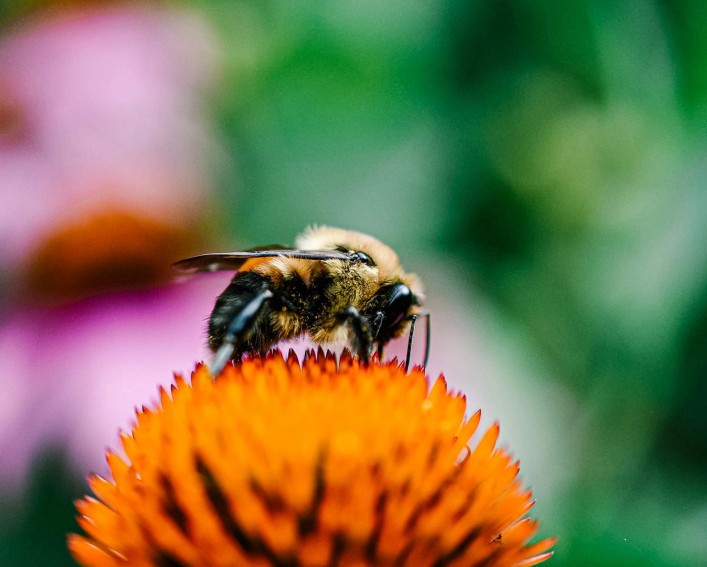
Pollinators

The New York co-op unit conducts research that interfaces with the U.S. Fish and Wildlife Service’s Center for Pollinator Conservation. The co-op unit supports this center through long-term monitoring of pollinators like bees, butterflies and wasps. The data may help inform management of wildlife refuges to support pollinators, which are critical in human food systems and natural ecosystems. Additionally, research funded by the Department of Energy is underway to inform pollinator conservation and solar energy development, using cutting-edge methods like environmental DNA (eDNA).

Research & Projects

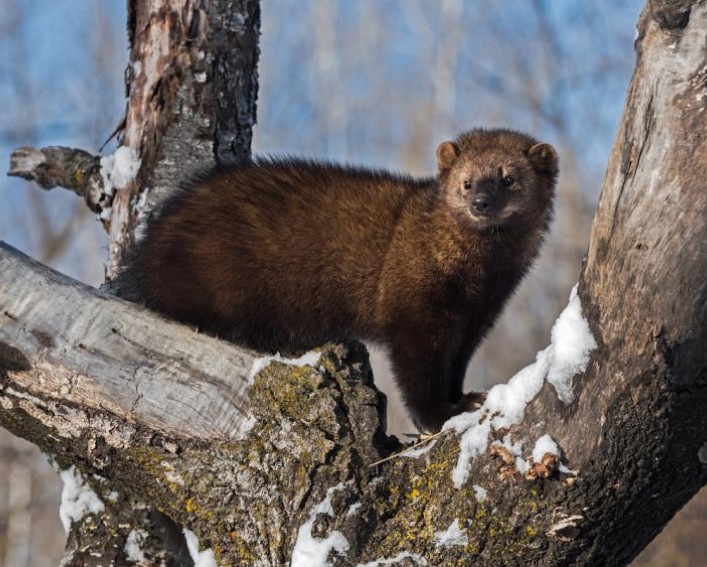
Snapshot NY

In June 2025, DEC and the New York co-op unit announced Snapshot NY, a community science program in which volunteers set up trail cameras on their properties to help track the distribution and abundance of wildlife species like bears, foxes and fishers. Just one month after the announcement, 700 people had signed up to participate, demonstrating New Yorkers’ commitment to wildlife stewardship, Angela Fuller said. By early October, between cameras on state lands and volunteer cameras on private lands, DEC had already received over 3 million photos, Michael Schiavone said. 

Research & Projects

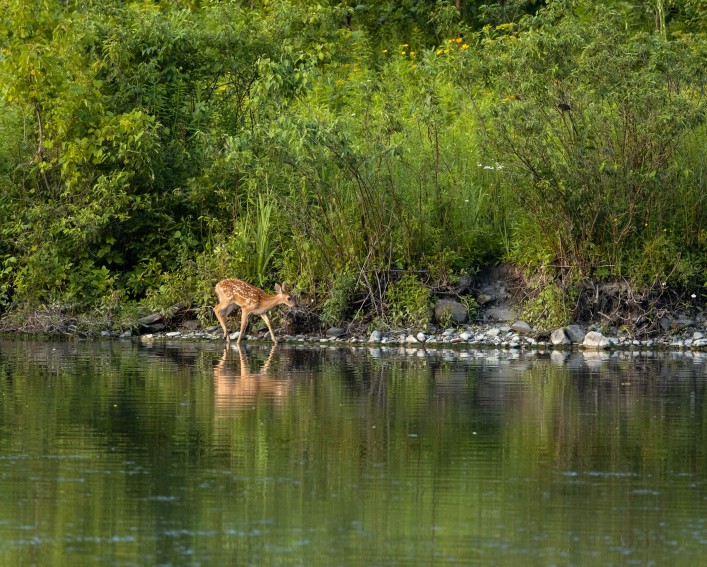
White-tailed deer

The New York co-op unit and the Cornell Center for Conservation Social Sciences have collaborated with the DEC for decades on hunting regulation and management of white-tailed deer. “If you go into a sporting goods store and see a banner that says, ‘Let young bucks go, and watch them grow,’ that messaging came from our research,” Angela Fuller said. The campaign is working: Harvest of young bucks has declined by half over the past 20 years, while harvest of older, bigger-antlered bucks has doubled, according to DEC

A person in a field of solar panels.
A bobcats face with the forest behind it.
Person holding a net, stands on floating solar panels.
a bumblebee pollinates an orange flower
A fisher cat in a tree
A white-tailed deer fawn walks along a lake.

Krisy Gashler is a writer for the College of Agriculture and Life Sciences.

Keep Exploring

three woman stand together eating orange slices

Field Note

by Harley Wolfanger '28 Where does our food really come from? That question followed our group throughout our agricultural expedition to California this past January. I decided to embark on this trip because I wanted to understand how the...
  • Dairy Fellows Program
  • Animal Science
  • Agriculture
a group of young people stand together in front of a building

News

The New York State 4-H Livestock Ambassador Program recently offered an immersive, multi-day educational experience for youth participants, providing hands-on exposure to New York’s diverse livestock industries. The program began with a visit to...
  • Animal Science
  • Animals