Back

Discover CALS

See how our current work and research is bringing new thinking and new solutions to some of today's biggest challenges.

|
By Krisy Gashler
Share
  • Cornell University Agricultural Experiment Station
  • Dilmun Hill Student Farm

When Alex Chen came to Cornell in 2008, he took to heart the university’s motto of “any person, any study.” Chen majored in architecture while taking pre-med classes and sought out experiences across campus, including working as a farm manager at Dilmun Hill Student Farm.

“More than learning how to farm – which was important – I think Dilmun is one of the few spaces on campus that really gives you the free rein to grow into yourself, alongside other people,” said Chen ‘13, who worked at the farm in summer 2009 and is now a resident physician at the Hospital of the University of Pennsylvania. “We didn’t just grow food; we learned about the ability, through food, to bring people together. Learning how to become a fully fledged human being who is open to continuously growing is probably the most important part of the Dilmun Hill experience that I’ve carried with me.”

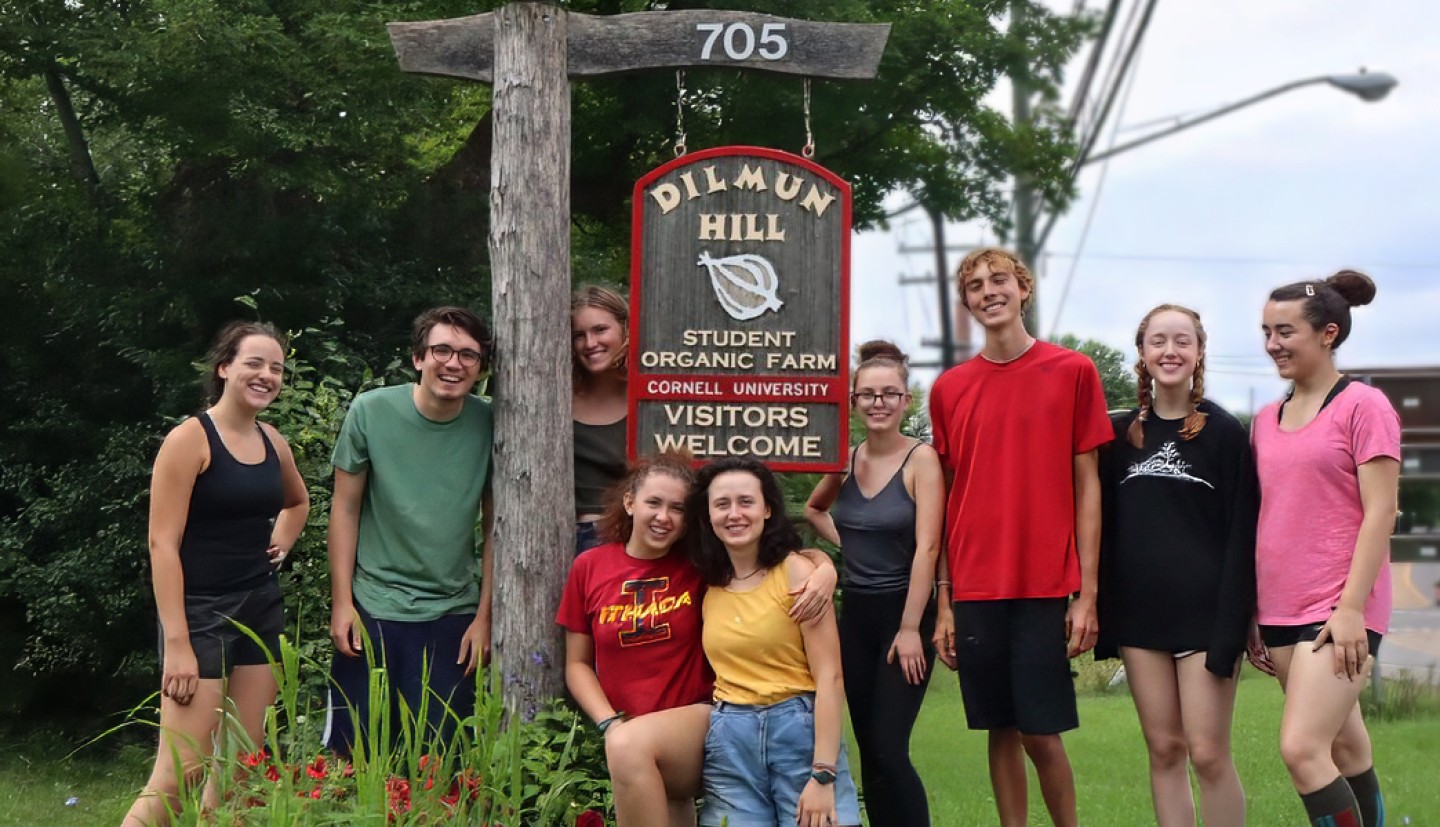
For 30 years, Dilmun Hill has been a living laboratory for experiential learning, and a place where students can grow crops and grow as people. First established in 1996, Dilmun Hill is an on-campus farm supported by the Cornell University Agricultural Experiment Station (Cornell AES), but managed day-to-day by 4-6 students who oversee all farm tasks, from choosing seeds to marketing their produce. For many of the roughly 120 Cornell alumni who have served as farm managers over those 30 years, the experience was transformative. 
Christian Kanlian ’20 helped manage Dilmun in summer 2019 and is now an urban agriculture teacher in New York City schools. He oversees his school’s three indoor hydroponic systems and its 1/8-acre garden, where his students grow “all the classic veggies” plus flowers to attract pollinators. 

“In a place that’s very gray and concrete, I want them to feel some connection to plants and animals and the natural world, and to know that the land itself is always a place they belong and are welcome to come back to,” Kanlian said. Dilmun Hill had served a similar purpose for him as a student. “It was this incredible sense of ownership and stewardship that we were trusted with the responsibility to take care of this land. It felt great to be needed and to belong somewhere in this giant institution that is Cornell.”

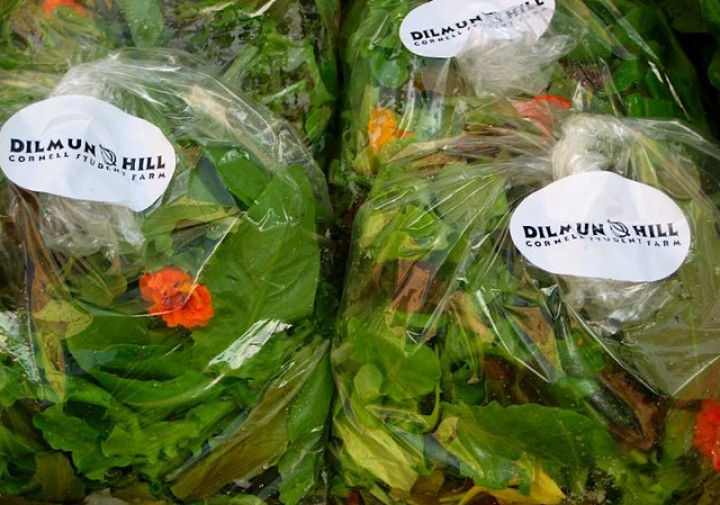
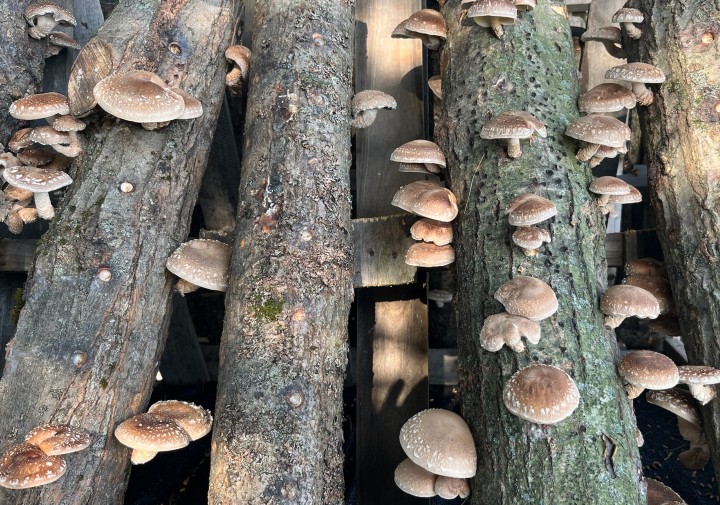
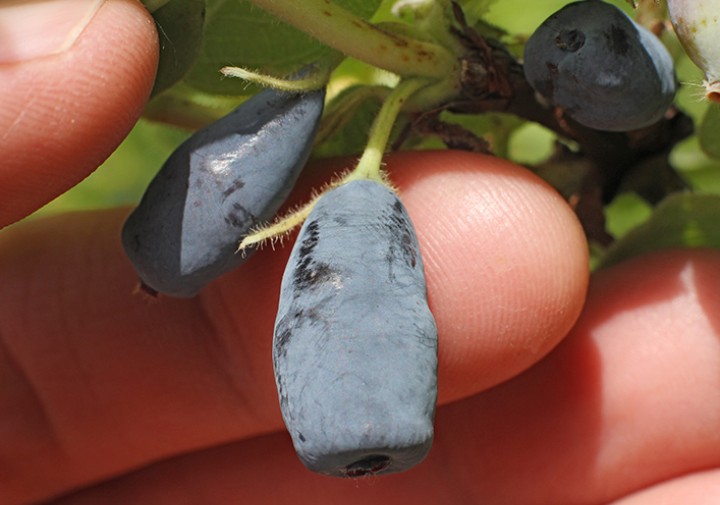
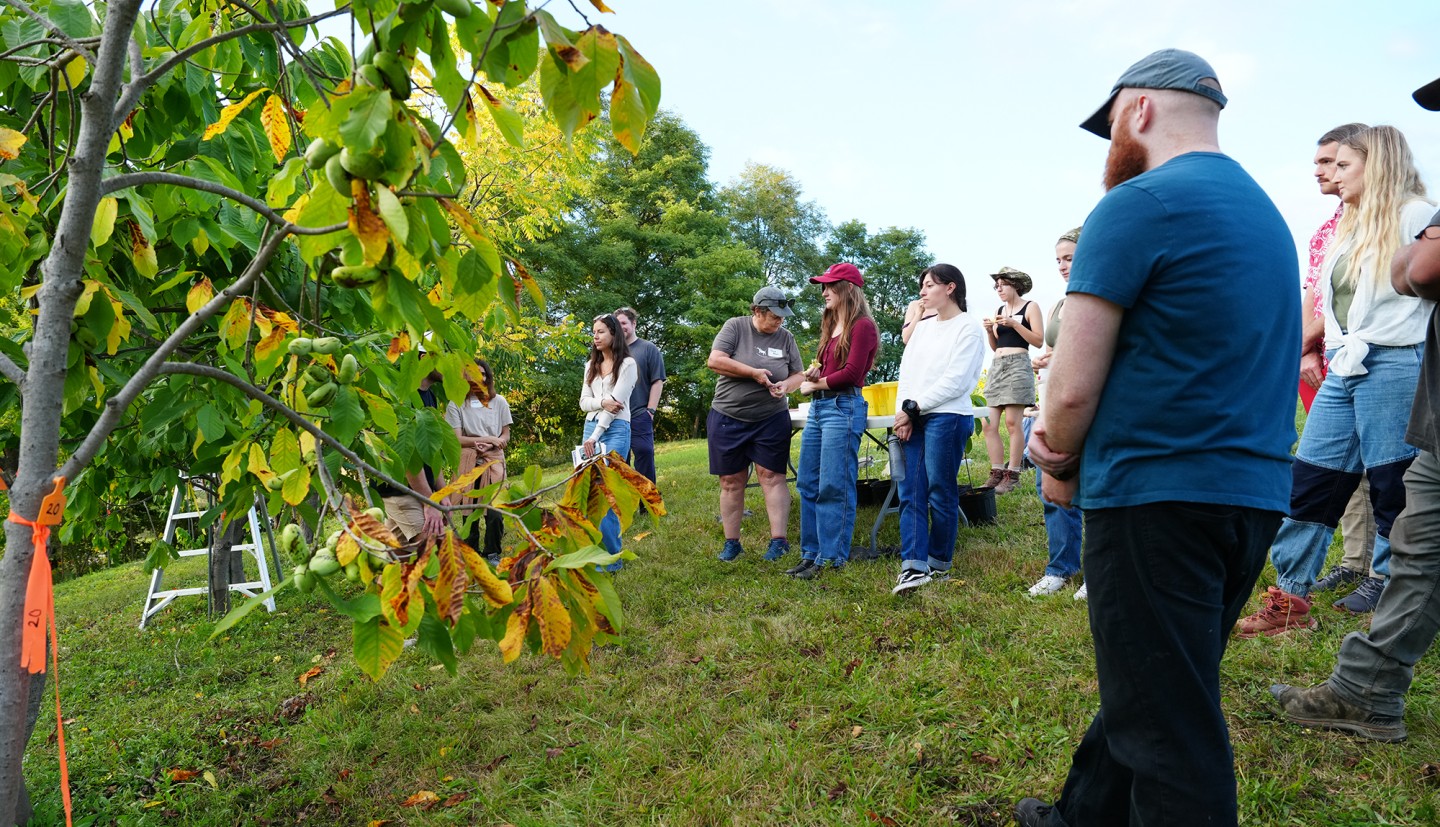
Dilmun Hill encompasses 12 acres of land, with multiple veggie patches, several outbuildings, and areas of tree and small fruit crops – students practice agroforestry in some of these areas, growing crops like pawpaws and shiitake mushrooms. The farm also offers a home for student clubs, research projects, and classes on topics like insect ecology and soil science. Between volunteers, event participants, classes and farm tours, over 1,000 people participate in on-farm activities at Dilmun Hill every year. Dilmun extends its reach off the farm in many different ways – offering over 40 CSA shares to students, faculty and staff each summer, stocking Anabel’s Grocery shelves in fall, running campus markets, and donating produce to local food pantries.

Emily Wine ‘14 served on Dilmun Hill’s student steering committee from 2011-2014, the organization that supports the farm’s community, decides which clubs and organizations to collaborate with, and helps managers coordinate events and volunteer work parties. It was through this committee that Wine discovered and became president of the Cornell Beekeeping Club, one of many organizations that utilize Dilmun Hill. She went on to a career supporting pollinator health, including as the state apiarist for Delaware, and now as the grants manager for California’s Integrative Pest Management program. The first colony she ever established was at Dilmun Hill. 

“We had a lot of colonies die during that first season. It took a lot to figure out how to manage bees, as someone who’d never done it before, but also how to manage that collectively as a club and share responsibility,” Wine said. “It was very much hands-on, experiential learning, which is what Dilmun Hill is all about. Dilmun really gave me a taste of how much more effective learning is when you’re actually getting first-hand experience.”

Students in a variety of disciplines conduct independent projects at the farm. Wine remembered one student who wanted to try growing giant pumpkins. He was so successful that by the end of the season, he and his friends were able to use them for a “Pumpkin Regatta” on Beebe Lake.

Coco Poopat ‘26, a 2024 farm manager and current steering committee member, has been helping to organize Dilmun’s 30th anniversary activities. She sent an email survey to all 120 previous farm managers on record, and received 54 responses. 

“Response rates are almost never that high. I think it really speaks to the lasting community of Dilmun and what sort of relationship it fosters with the people involved,” Poopat said. “A lot of people said Dilmun helped them explore their passions or consider something they hadn’t considered before. But the main thing that came up over and over in our alumni survey was how positive Dilmun was in helping people find a community and a sense of place in a big university.” 

Dilmun Hill Alumni

Alex Traven

"Being a Dilmun Hill manager was the best job I ever had and a profoundly formative experience to be trusted and allowed to take ownership over something and make lots of mistakes."

Alex Traven ’12, Professional Horticulturist, Owner of Peace Tree Farm

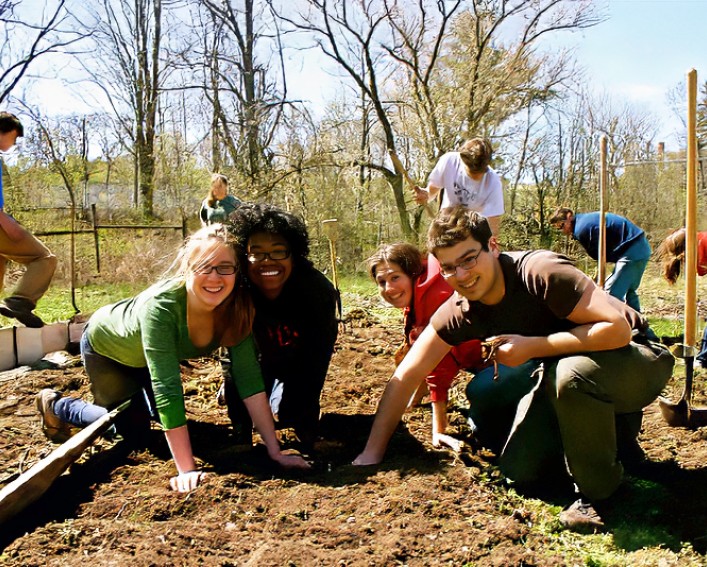
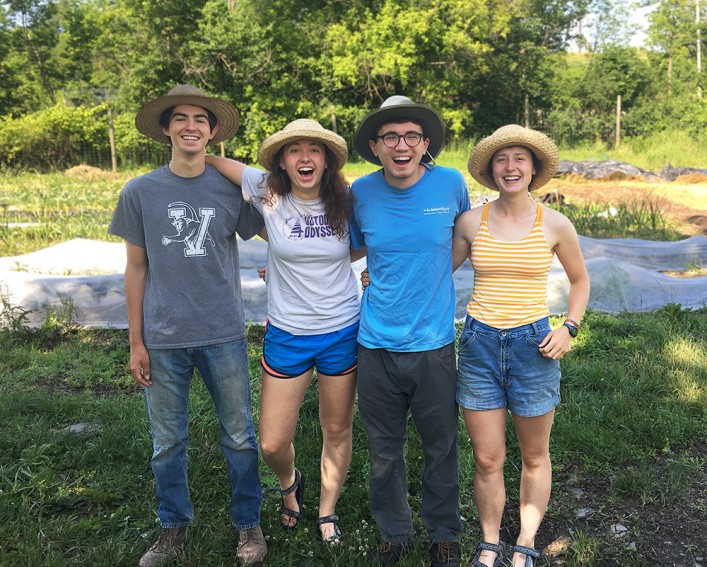
Photo: Alex (center) with co-managers in 2011

Dilmun Hill Alumni

Tess Antrim-Cashin

"Dilmun Hill was a grounding force at school, and the ethos of curiosity and playfulness has served as an inspiration throughout my career."

Tess Antrim-Cashin ’13, Associate - Renewable Energy Tax Credit Advisory Services

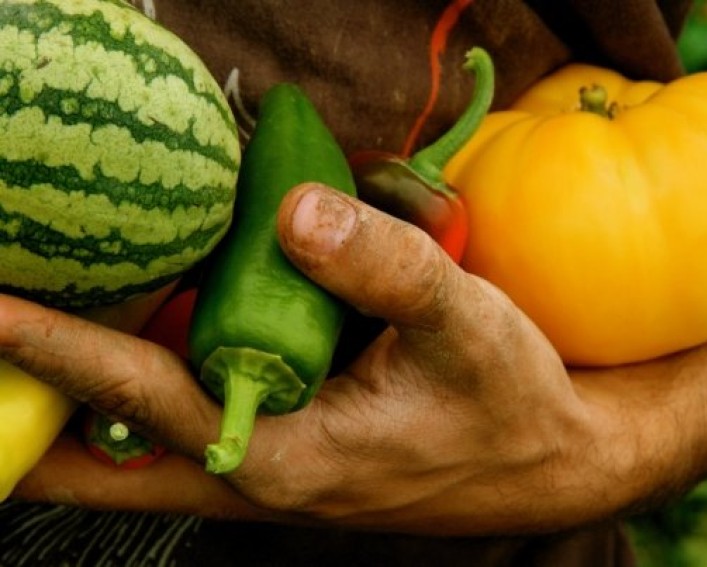
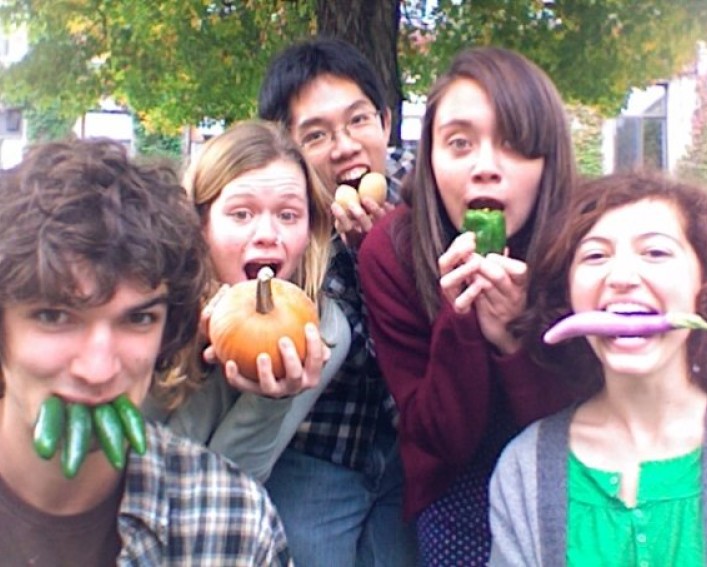
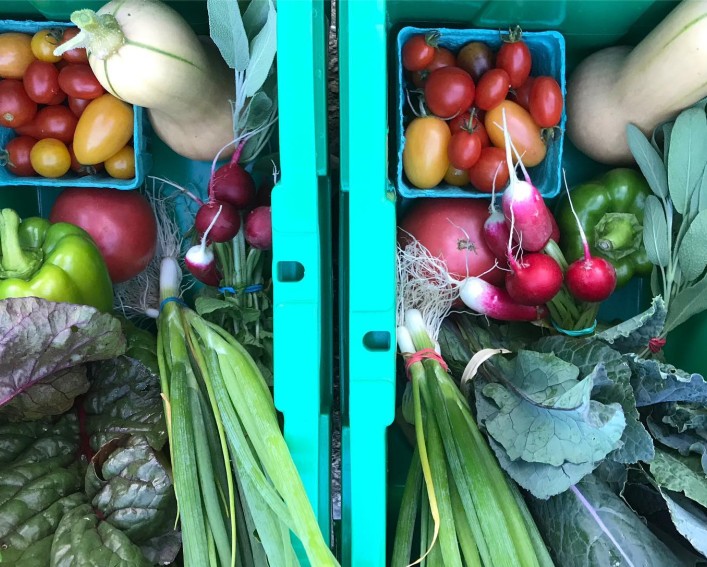
Photo: Harvest treasures

Dilmun Hill Alumni

Ben Scott-Killian

"My summer managing Dilmun Hill with my two fellow managers changed the course of my life. After graduating, I sought apprenticeships and employment to learn everything I could about both farming and running a farm business. In 2018, my wife and I launched our own farm, Venison Valley."

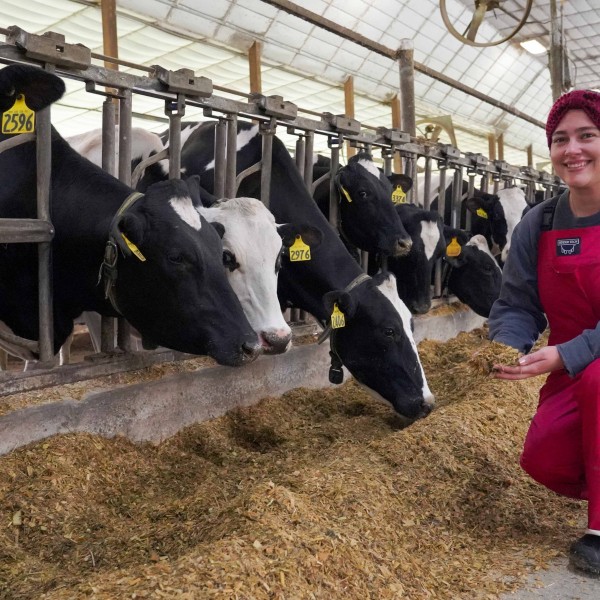
Ben Scott-Killian ’09, Dairy farmer

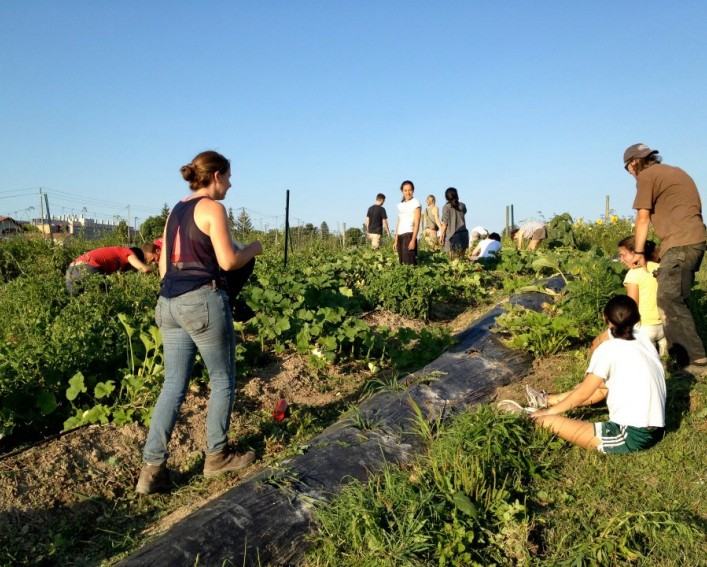
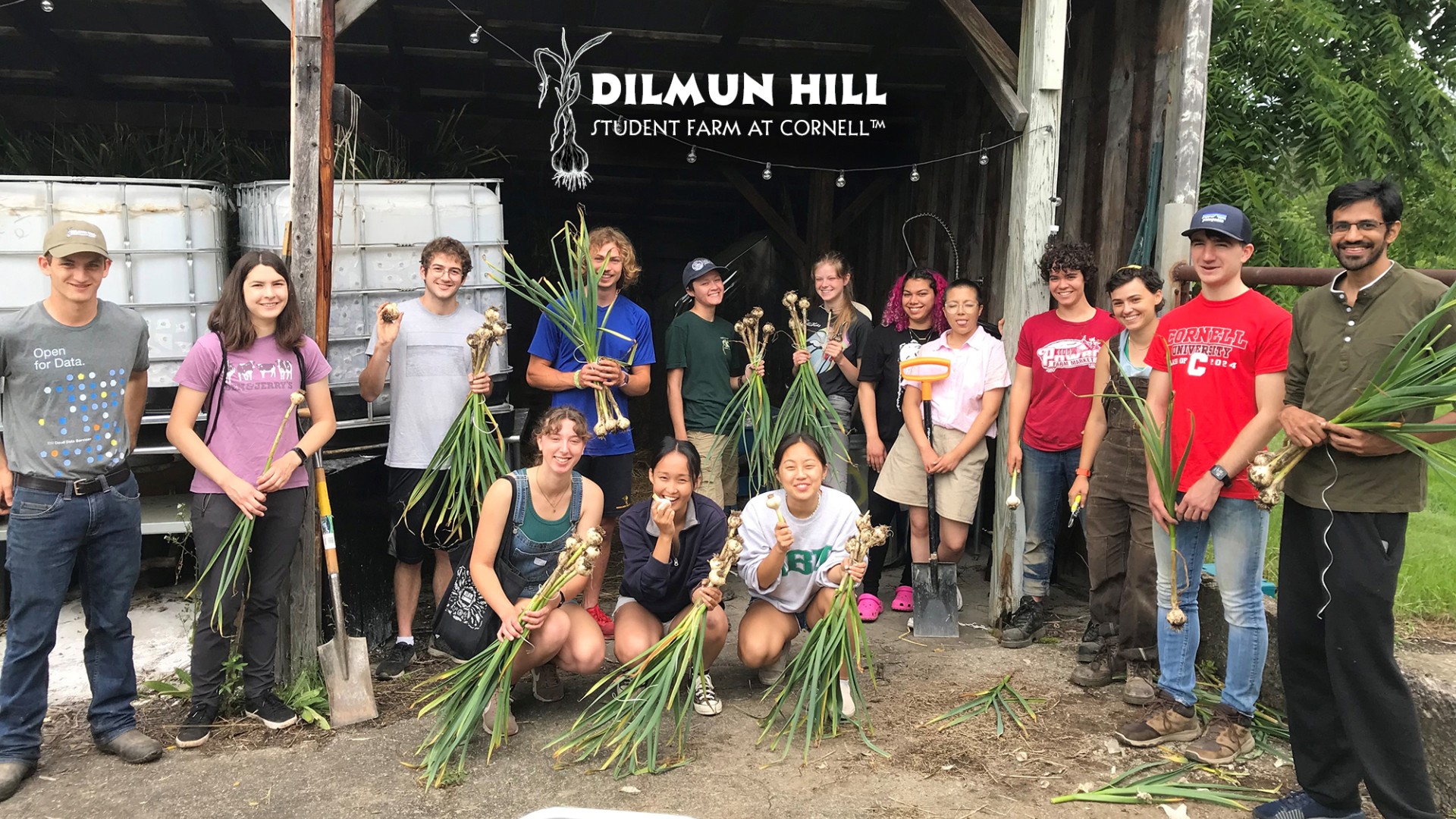
Photo: Student managers and volunteers at a work party

Dilmun Hill Alumni

Samantha Hackett

"My Dilmun experience shaped how I work on teams and with peers. I made lifelong friends with my managers who helped shape, guide, and influence how I operate in the workforce and the world. I'm so incredibly thankful for my experience."

Samantha Hackett ’18, Staff Accountant with Movement Gyms

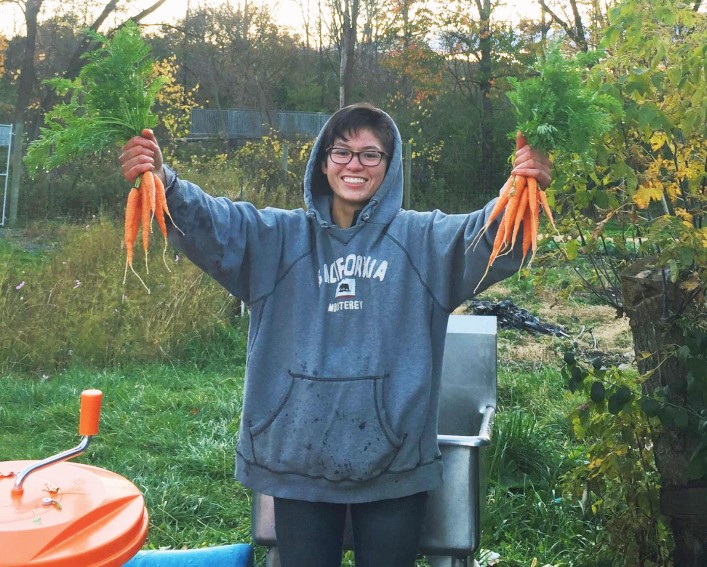
Photo: Samantha at Dilmun Hill in 2017

Dilmun Hill Alumni

Dan Gladstone

"Dilmun Hill was an important space for the student body to have a real connection to the land and place for self-determined interactions with the environment that they inhabit. It also allowed for interactions between managers and faculty/staff/ the community outside of Cornell that were unique ..."

Dan Gladstone, ’11, Partner, Oechsner Farms LLC

Photo: Managers and volunteers join forces to maintain the crops throughout the season

Dilmun Hill Alumni

Bonnie Cherner

"Dilmun had a huge impact on my time at Cornell and subsequently, the rest of my life. People I met through Dilmun led me to join the 660 co-op, where I met some of my best friends to this day."

Bonnie Cherner’12, Goatherd at Fat and Sassy Goats, Farmer at Airlie Farms

Photo: 2009 Dilmun managers, incl. Bonnie (right) and Alex Chen (center)

Dilmun Hill Alumni

Zoë Loomis

"Working at Dilmun was one of the most impactful and life changing experiences. It’s incredible to get to learn how to farm with other students, provide food for the community, and create a space around food and land. It jump started my career in ag and changed the rest of my college career too!" 

Zoë Loomis ’21, Greenhouse Manager at Brisa Ranch

Photo: 2019 Dilmun managers, incl. Zoë (right) and Christian Kanlian (2nd from right)

Dilmun Hill Alumni

Sarah Bellos

"Dilmun Hill was one of my first independent leadership experiences and helped build my planning, project management, and team leadership skills!"

Sarah Bellos ’04, Naturalist, Metro Nashville Department of Parks and Recreation

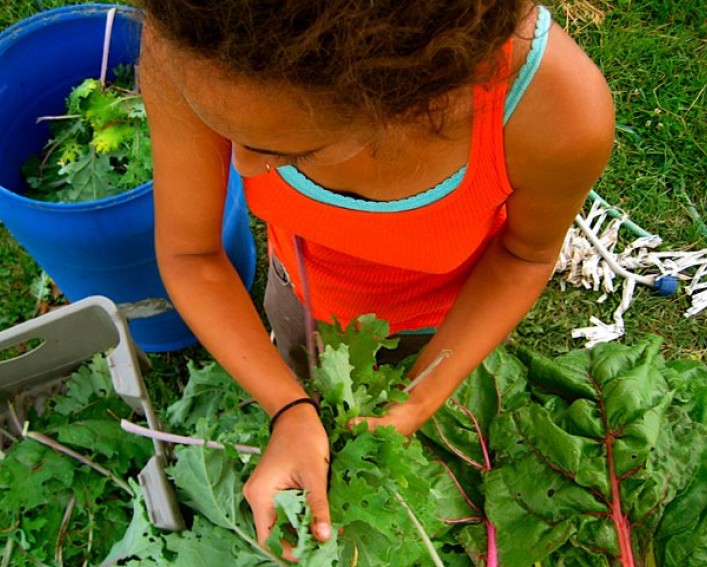
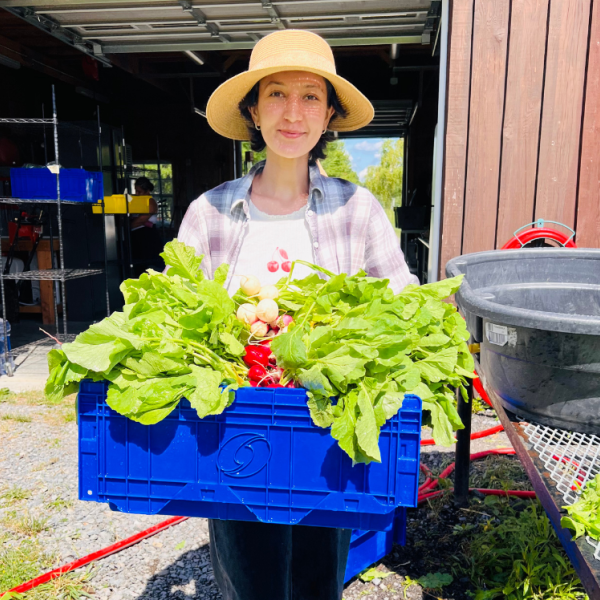
Photo: preparing chard for sale at Dilmun Hill

Dilmun Hill Alumni

John Crooke

"It's what sparked my interest in vegetable farming. I probably would not be on this farming career path without my experience at Dilmun Hill. I'm starting my 14th year of veggie farming this year."

John Crooke ’08, Vegetable Farmer, Owner of Tinicum CSA

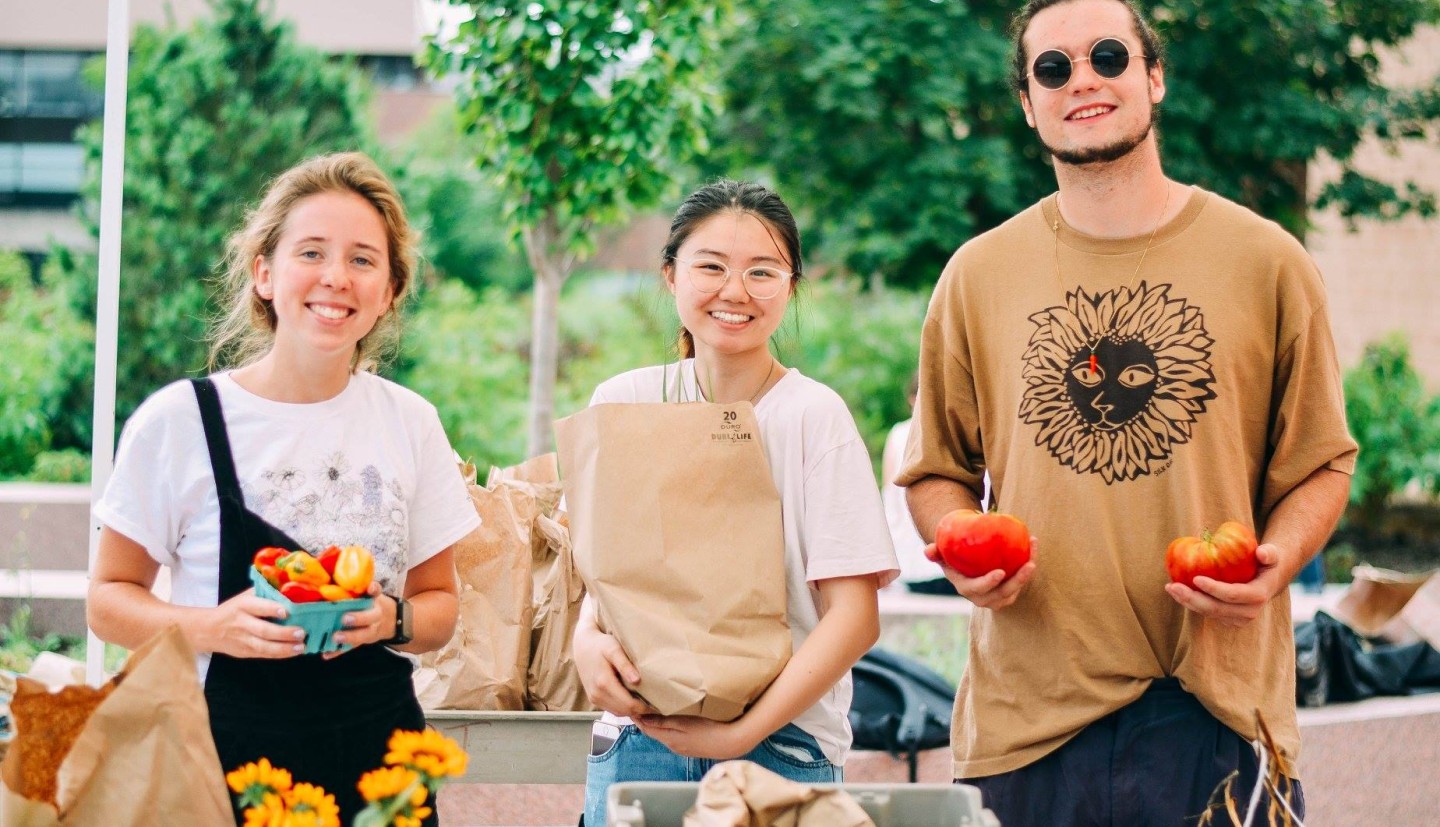
Photo: CSA shares at Dilmun Hill 

Dilmun Hill Alumni

Willa Gagnon

"I loved working at Dilmun! I learned so much from the team I worked with and enjoyed designing research projects and planning events."

Willa Gagnon ’25, Student 

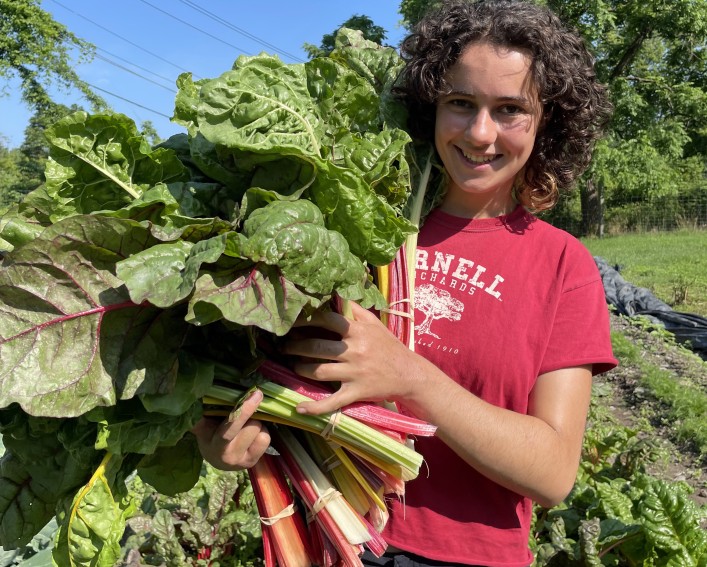
Photo: Willa harvesting greens at Dilmun Hill in 2023

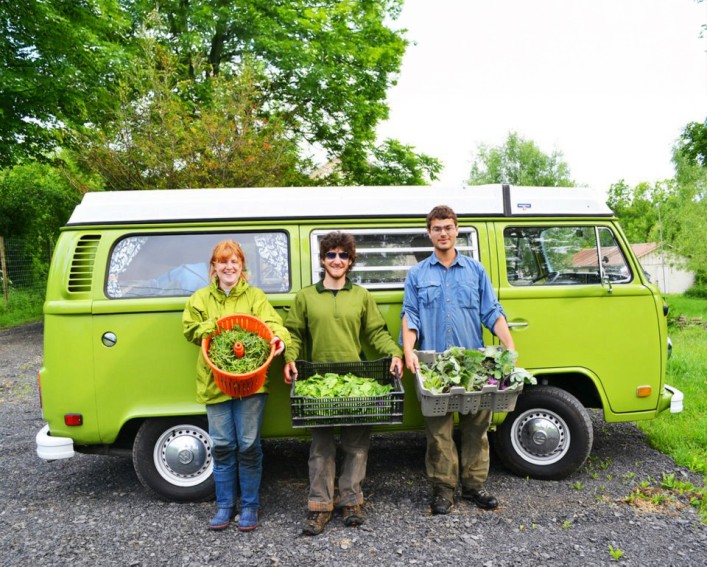
Three students with produce in front of a VW van
hand holding produce
A group of students working in the field
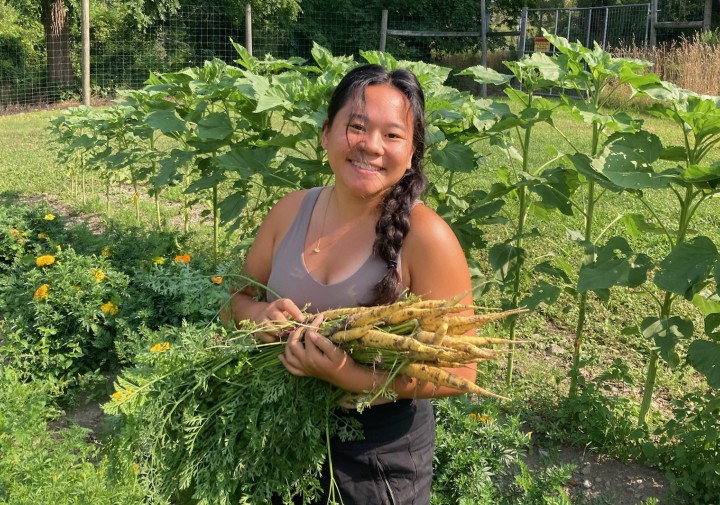
Samantha Hackett holding carrots
Students working on the farm
Students posing with produce
Students at the farm
Student and produce
produce in boxes
Willa with an arm full of chard

Bryn Terwilliger ‘27, an incoming 2026 farm manager, was looking for just that kind of community when she transferred to Cornell last fall. Terwilliger was on a pre-veterinary track at another institution, but after spending a summer working at a small sustainable farm in her hometown, she fell in love with farming and applied to Cornell; she mentioned the opportunity provided by Dilmun Hill in her application letter. 

“Having an on-campus, educational farm was something I was really excited about, because a lot of places don’t have that opportunity,” she said. She and the other 2026 managers have already started meeting, ordering seeds, planning crop rotations, growing seedlings, and preparing for the summer’s labors. They’re planning for more peas and tomatoes, per feedback from members of the farm’s CSA customers, and Terwilliger is especially excited to continue diversifying the farm by growing more cut flowers and strawberries, and increasing vegetable varieties. 

“I’m looking forward to all aspects of what we can do with Dilmun and how we can serve our community,” she said. “The past managers have done such an amazing job helping us along the way and setting us up for success. Especially during such a monumental year, I’m excited to support the wonderful opportunity that Dilmun is and to learn a lot.”

Ryan Maher is organic coordinator for Cornell AES. Among his responsibilities is supporting and training student farm managers. Over the next 30 years, Maher hopes that Dilmun Hill will continue to grow as a thriving outdoor classroom for workshops, independent projects, and formal classes that bring students’ coursework to life, and as a vibrant hub where Cornell and off-campus communities can connect and learn. 

“Dilmun Hill has had a real impact on the student experience at Cornell,” Maher said. “It has a special ability to integrate hands-on learning, leadership, and community – all through food and agriculture. Looking forward, we see opportunities to bring Dilmun into the hands of more and more students.” 

*To celebrate Dilmun’s 30th anniversary, Dilmun hosted an alumni speaker series, and will host an open house during Cornell reunion weekend (June 4-7) on Sunday, June 7th from 9 am - 12 pm. Another anniversary celebration event is slated for the fall. Learn more and stay connected with Dilmun here


Krisy Gashler is a freelance writer for the Cornell University Agricultural Experiment Station

Keep Exploring

A woman stands in a field.

Field Note

Gabby Garcia joined Cornell CALS’ Nutrient Management Spear Program (NMSP) as an intern from Zamorano University hoping to expand upon her knowledge of agriculture. During her time at Cornell, she worked on the rainfall simulation project...
  • Agriculture
  • Field Crops
  • Crops
hand holding grape cluster with rot

Field Note

Sour rot is a potentially devastating, late-season bunch rot of particular concern on tight clustered grapevine varieties in warm, wet years. This causes the disease to have sporadic effects on grape harvests, with some years showing only small...
  • Cornell Integrated Pest Management
  • Plant Pathology and Plant-Microbe Biology Section
  • Viticulture and Enology