For New York’s farmers, the wet, then dry, then wet 2018 growing season was certainly a challenging one. How did those conditions affect the quantity, look and taste of apples, grapes, vegetables and other locally sourced products on grocery shelves and dinner tables?
Answering that and other questions will be the focus of the latest podcast season from Cornell Cooperative Extension (CCE). Featuring the voices of CCE agriculture specialists across the state, the 2018 Harvest Highlights season of “Extension Out Loud” examines output, quality and consumer impacts from this year’s vegetable, tree fruit, grapes and field crops harvests.
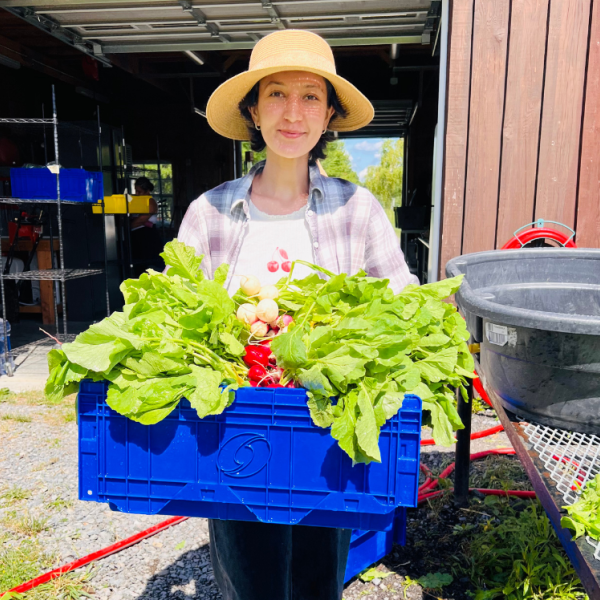
- In episode 1, Cornell Vegetable Program specialist Judson Reid joins Eastern New York Commercial Horticulture Program specialist Ethan Grundow in looking at this year’s vegetable harvest and how mercurial weather impacted yield, quality and farmers’ bottom lines.
- Episode 2 explores apples and berries and how this year’s fruit coloring and taste compare to seasons past.
- In episode 3, CCE of Seneca County nutrition educator Moira Tidball talks about wild harvest canning and recipe resources.
Upcoming episodes include:
- Finger Lakes Grape Program specialist Hans Walter-Peterson and the Lake Erie Regional Grape Program’s Tim Weigle share observations from their work with vineyards across the state.
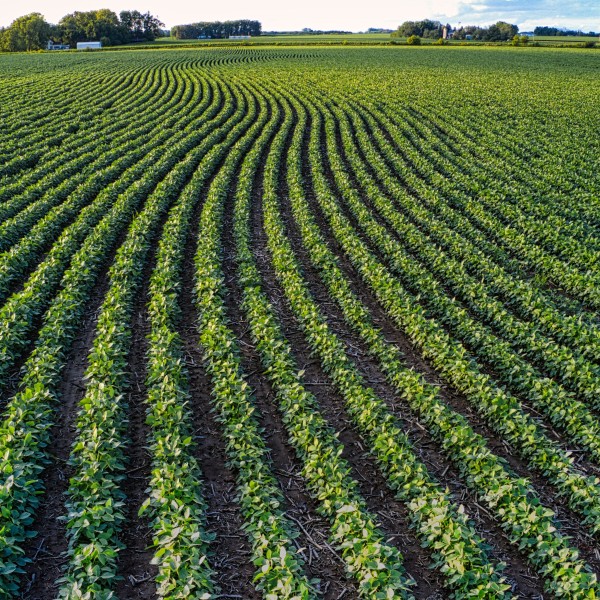
- Observations from CCE field crops specialists on how various field crops have fared this season, and the impact those factors and others have had on pricing.
Exploring the role and impact of Cornell and its land-grant engagement across New York state, the first season of “Extension Out Loud” explored potential impacts of the upcoming farm bill legislation on food systems, nutrition education, the environment and the livelihoods of New York farmers.
- Episode 1: An overview of the 2018 farm bill: Julie Suarez discusses the history and process of passing the farm bill, as well as its current status in Congress.
- Episode 2: Conservation: Amanda Rodewald, professor and director of conservation science at the Cornell Lab of Ornithology, and Allan Gandelman, owner and farm manager of Main Street Farms, discuss how farm-bill funding and programming is used to conserve land.
- Episode 3: Local food: Cheryl Thayer, local food distribution and marketing specialist with the CCE Harvest New York Team, explores local and regional food systems and how they impact the economic, social and nutritional health of New York state communities.
- Episode 4: Dairy: Andrew Novakovic, the E.V. Baker Professor of Agricultural Economics, discusses the economics of dairy and current challenges dairy farmers face, with a focus on the impact of the farm bill on New York’s dairy industry.
- Episode 5: Nutrition: Lara Parrilla, nutrition and community development issue leader with CCE Tompkins County, and Randi Quackenbush, advocacy and education manager with the Food Bank of the Southern Tier, discuss how the farm bill impacts the food security of families in New York state.
Full episodes of “Extension Out Loud,” can be streamed on: