


CBFS News
Recent insights, news and events from the Cornell Biological Field Station at Shackelton Point

Spotlight
Academic focus: Sustainable fisheries; ecology of marine, estuarine and freshwater ecosystems Research summary: Research in my lab spans a range from field studies of recreational fisheries and climate change in the U.S. and Mongolia to impacts...
Field Note
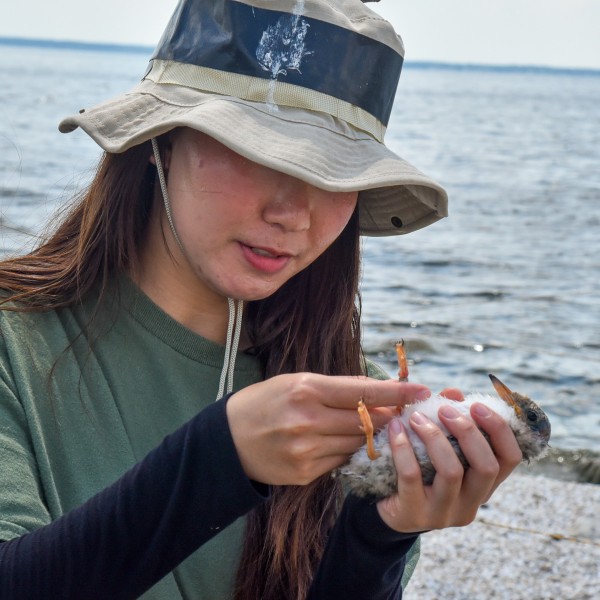
The common tern is a sweet little waterbird, with white wings like an angel’s and a distinctive kee-er cry. They are fierce protectors of their families, fearlessly chasing down eagles and tirelessly building up their ground nests, which they...
News
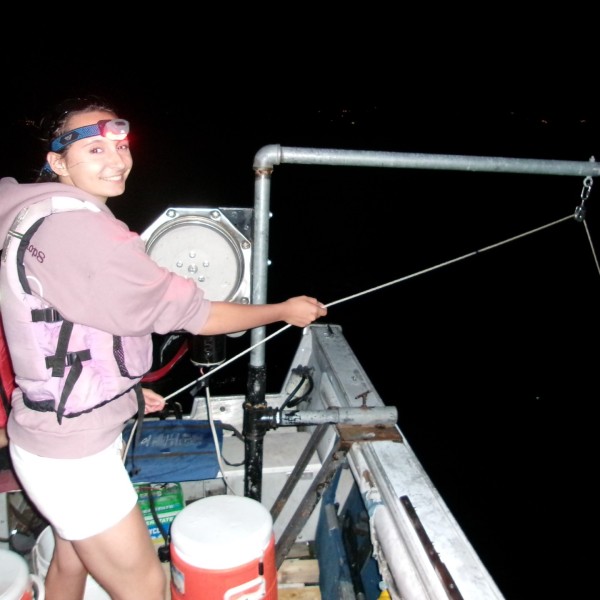
Autonomous drones are taking center stage in fisheries assessments across the Great Lakes. These drones deploy acoustic technology which tracks and quantifies fish populations. Acoustic surveying, which utilizes beams of sound, has traditionally...
News
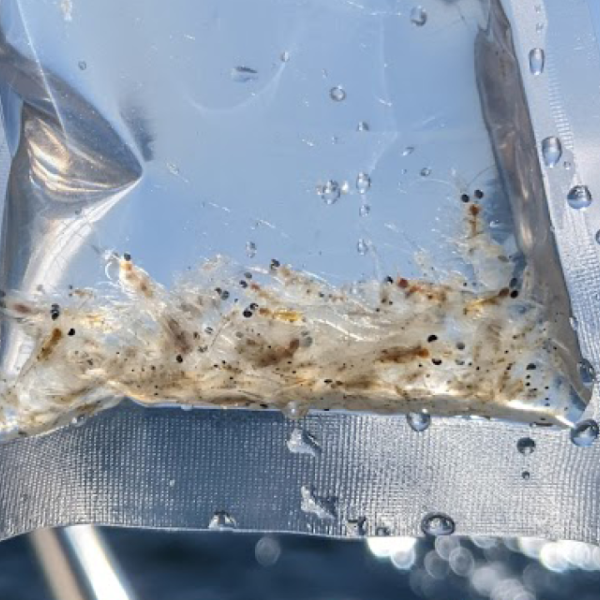
Cornell University’s James Watkins and Kade Keranen are leading a nearly $240,000 study to examine the abundance of mysid, small, shrimp-like crustaceans that are critical links in Lake Ontario’s aquatic food web.
News
Senior Research Associate Jim Watkins and graduate student Kayden Nasworthy attended the annual conference of the American Society of Limnology and Oceanography in Montreal, Quebec from May 12-17. Watkins presented data on nearshore zooplankton...