

Autonomous drones are taking center stage in fisheries assessments across the Great Lakes. These drones deploy acoustic technology which tracks and quantifies fish populations. Acoustic surveying, which utilizes beams of sound, has traditionally been done using conventional research vessels. Though these methods are reliable, using autonomous drones such as the Saildrone and LRAUV will decrease costs, increase efficiency, and expand the spatiotemporal scope of acoustic surveys. In a collaboration between Cornell University, the Great Lakes Science Center, SUNY Brockport, Brooklyn College and MBARI, the efficacy of these drones is currently being demonstrated. These collaborative studies elucidate the benefits of deploying autonomous vessels alongside human-piloted vessels in directed biological surveys. Explore the innovation of hydroacoustics below in a Story Map created by 2026 intern Nia Delardi.
Keep Exploring
News
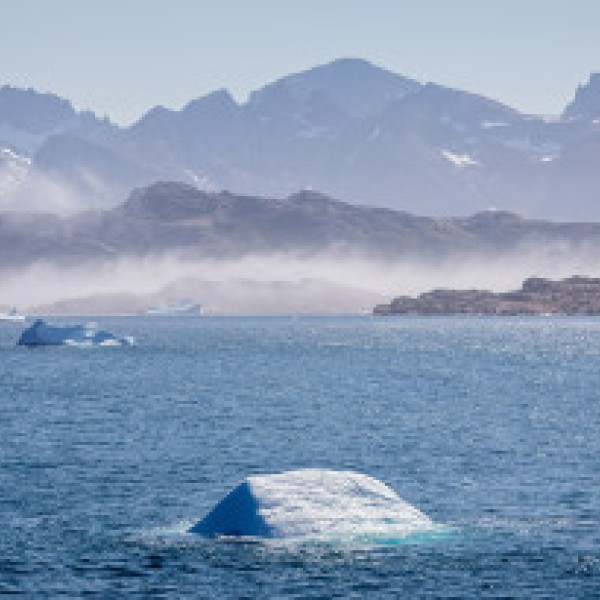
The mixing waters in the Labrador Sea, sandwiched between Greenland and Newfoundland, provides enough oxygen to sustain life throughout the deep North Atlantic Ocean.
News
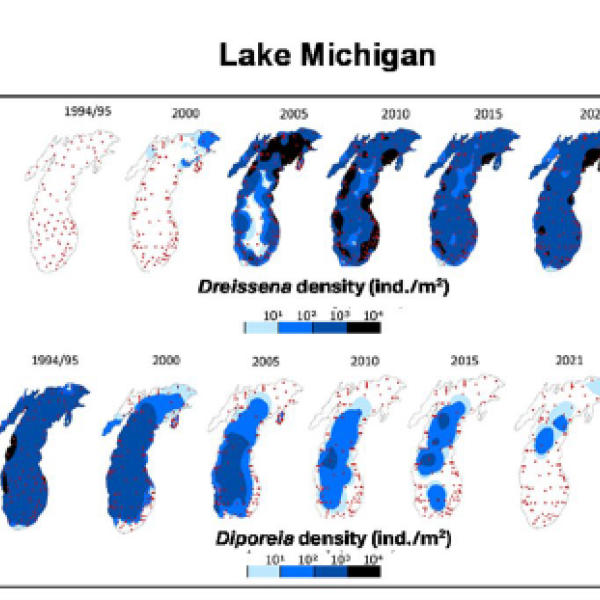
CBFS scientists team up with Buffalo State to review the impact of the invasive quagga mussel on the native burrowing amphipod on both sides of the Atlantic. These amphipods are keystone species in North American and Eurasian freshwater...

We openly share valuable knowledge.
Sign up for more insights, discoveries and solutions.
Please enter a valid email address to subscribe to the newsletter.