Back

Discover CALS

See how our current work and research is bringing new thinking and new solutions to some of today's biggest challenges.

Latest news, discoveries & breakthroughs

The Office of Marketing and Communications services CALS faculty, staff and students by providing news and feature coverage of research, teaching and extension and outreach news. We write and edit a wide variety of content for the Cornell Chronicle as well as our college-wide publications, websites and social media platforms.

We coordinate with the Cornell Office of Media Relations to distribute news releases and tip sheets for reporters and other entities. We also assist journalists who request information or interviews of CALS' personnel.

If you are a member of the media seeking to contact a CALS researcher, staff member or student, please contact us at cals-comm [at] cornell.edu (cals-comm[at]cornell[dot]edu).

Latest from the CALS Newsroom
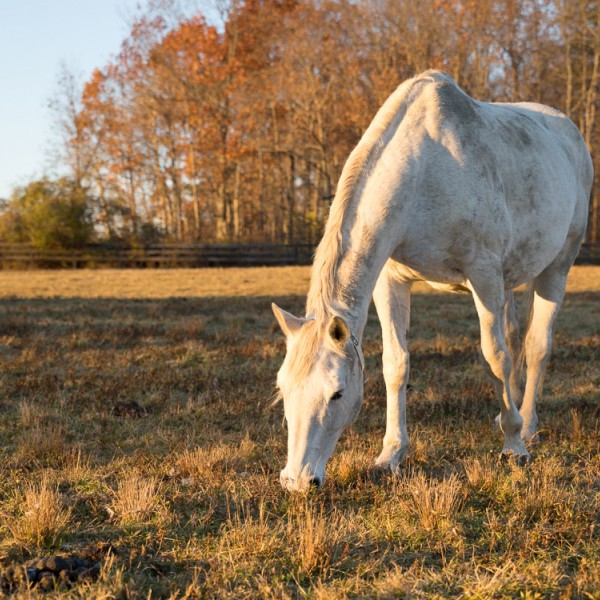
A grey dapple horse grazing in the foreground, fall leaves on the trees in the background.

Report

Relevance Horses are a significant part of New York State agriculture, contributing to the economy, land stewardship, and animal services. Despite the sector’s size, horse owners and managers have had limited access to coordinated, research...
  • Cornell Cooperative Extension
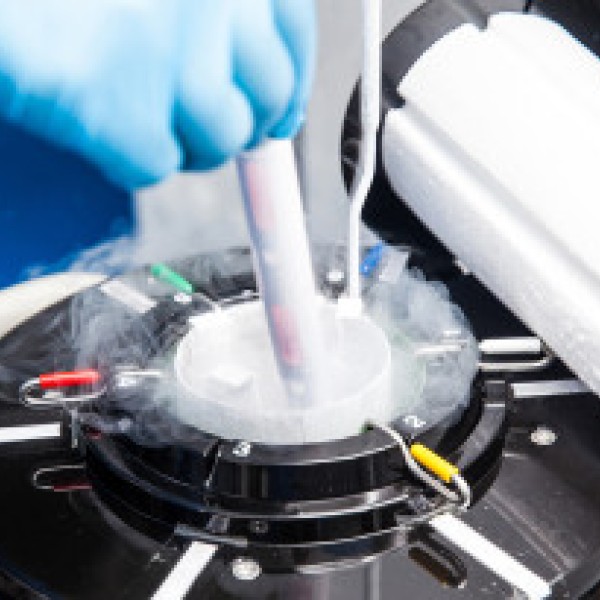
embryo freezing

News

The new freezing method – 30 times faster than current protocols – could be used to improve assisted reproduction in humans or animals or to conserve biodiversity.
  • Animal Science
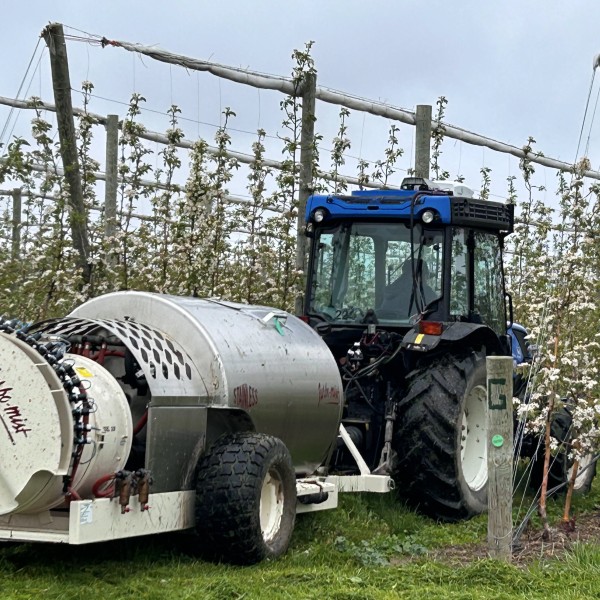
A tractor outfitted with precision cropload management gear.

Report

Relevance Precision crop load management is critical for New York apple growers to optimize fruit size, quality, and return bloom while managing labor and production costs. However, no single digital imaging tool currently meets monitoring needs...
  • Cornell Cooperative Extension
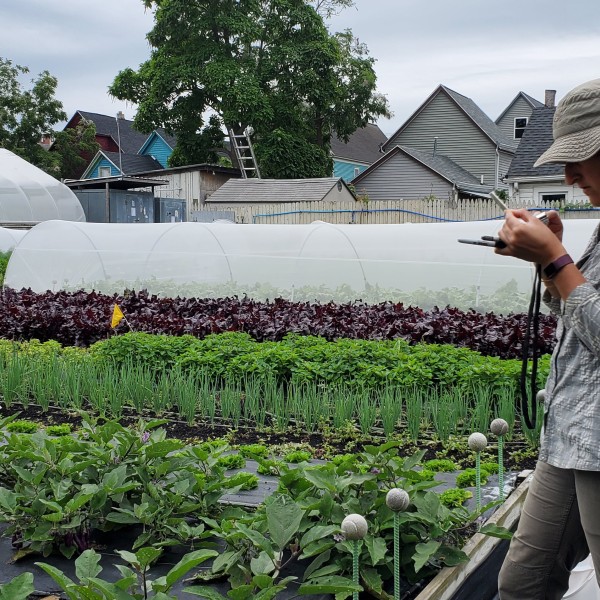
A person examines a device in a garden with rows of crops and protective tunnels, with houses in the background.

Report

Relevance New York State agriculture faces ongoing threats from invasive pests and diseases that reduce crop yields, threaten poultry health, and disrupt farm viability. Invasive insects cost U.S. agriculture $13 billion annually, with...
  • Cornell Cooperative Extension