2024-2025 Outreach and Extension Highlights

New York State Integrated Pest Management 2024–2025 Annual Report

13k

Views

Joro Spider Facebook Reel

58k

New Yorkers Reached

Don't Get Ticked NY

69k

Unique users

NEWA

Network serves as essential tool for NY sweet corn growers

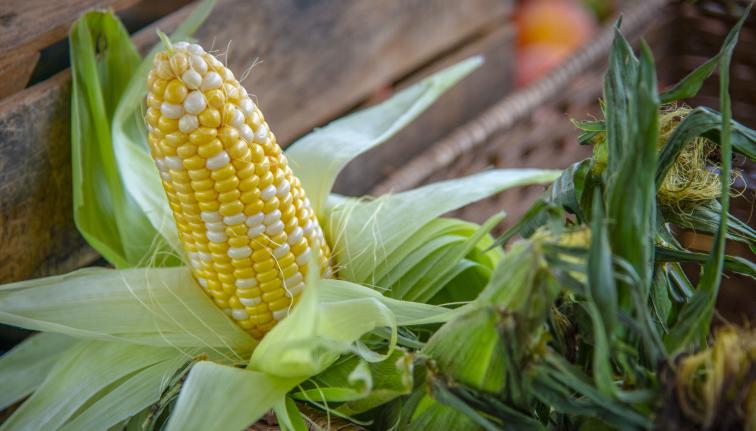
Since 1993, the Sweet Corn Pheromone Trap Network (SCPTN) has been providing New York’s sweet corn growers with pest monitoring information essential to crop quality and successful yield. A program of New York State Integrated Pest Management and Cornell Cooperative Extension, the Network leverages collaborative citizen science from farmers and crop consultants to collect data from traps at 35 farms located throughout the state. Each participating farm has five traps baited with pheromone lures that help attract European corn borer (ECB-E and ECB-Z), corn earworm (CEW), fall armyworm (FAW) and Western bean cutworm (WBC). Traps are checked weekly from mid-May through late September, to track pest activity and provide timely data for growers. 

Annual SCPTN data has revealed significant shifts in pest populations. ECB numbers have remained consistently low for the past decade, while WBC populations, which peaked in 2023, declined considerably in 2024. CEW populations have been steadily increasing over the last five years, though they remain well below their peak in 2011. FAW numbers, on the other hand, have stayed relatively low for the past two seasons. 

The consistent collection of trapping data has been used in major publications, has contributed to multiple research projects and has been shared with other pest monitoring networks. One current focus of research is investigating potential lure efficacy issues, particularly examining why ECB trap catches remain low despite observed field damage. The network is testing various lures to determine if they influence trap counts. The Network’s long-term monitoring efforts have allowed researchers and growers to track changes in pest populations and assess lure effectiveness over time.  

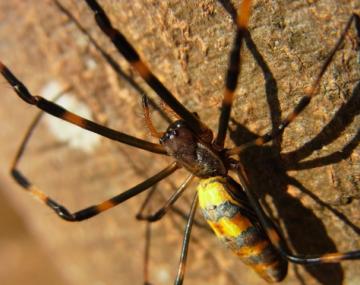
Calming fears, dispelling myths about the Joro spider

With adjectives like “giant” and “venomous” at the forefront of media coverage surrounding the Joro spider, New York State Integrated Pest Management Director Alejandro Calixto helped alleviate public concern over the invasive pest’s anticipated Empire State arrival during summer 2024. Through media interviews, science podcasts and a Facebook reel that garnered more than 13,000 views, Calixto shared that Joro spiders do not pose a risk to human health or an immediate threat to other species. 

Keeping New Yorkers safe from ticks

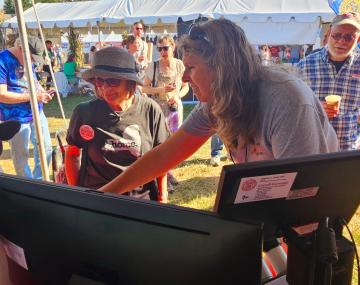
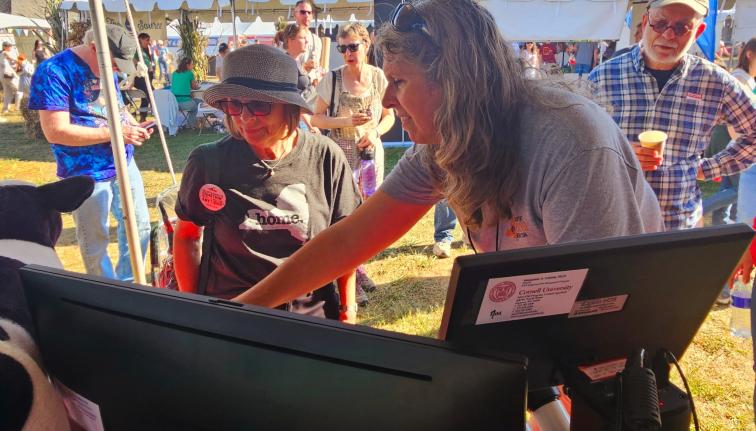
New York State Integrated Pest Management made information about ticks and tick-borne diseases available to the more than 21,000 attendees of Farm Aid 2024 in Saratoga Springs.  In addition to those reached at Farm Aid’s long-running annual celebration of America's farmers and growers, NYSIPM team members spread the Don’t Get Ticked New York message at more than 60 tabling events and presentations between April 2024 and March 2025, reaching more than 37,000 New Yorkers.

I am a pediatrician and a new member of the Master Naturalist program. I have been practicing in Dutchess County for 40 years so I have treated several hundred kids with Lyme and more recently Anaplasmosis. I watched your “Don’t Get Ticked” presentation and I think it is by far the best presentation on ticks that I have ever seen.—Dr. David Fenner, M.D. 

NEWA Provides Freeze Risk Forecasts for Vineyards

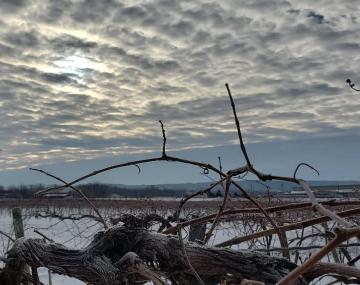
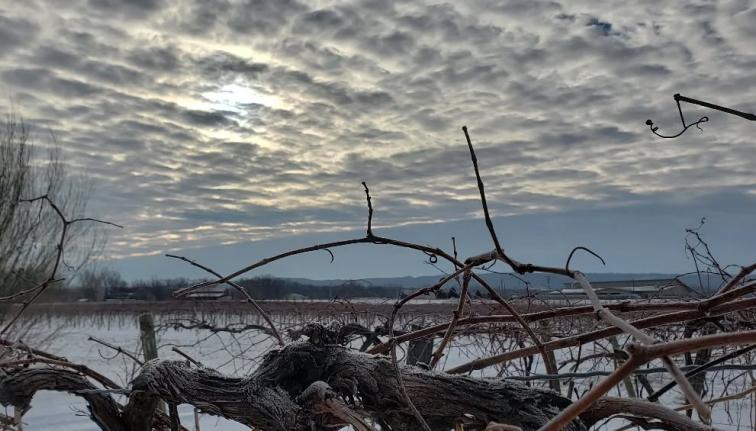
The Network for Environment and Weather Applications (NEWA) is an innovative agricultural risk forecasting platform. In early 2025, the new Grape Cold Hardiness Model (GCHM) was released for public testing. A first-of-its-kind in many exciting ways, the Model is a state-of-the-art tool designed to provide vineyard managers, anywhere in the continental United States, up to five days advance warning of impending freeze events. By harnessing the power of advanced Machine Learning on the NEWA platform, this model marks the first ever trained system of its kind to be integrated as a widely available resource, providing critical early warnings to growers.

The GCHM features interchangeable physical weather station or high-resolution gridded data at 4km resolution. These enhancements deliver precise, localized climate insights essential for making informed decisions in the face of unpredictable weather patterns. Vineyard managers can now implement proactive strategies to safeguard their crops, optimize resource allocation and mitigate potential losses from freeze damage.

In 2024, the wider impact of the NEWA platform was evident at a national scale through user engagement statistics. The platform reached 63,197 unique users across the U.S. , with 22,453 new users joining the community. These visitors generated 159,596 individual sessions, resulting in 298,968 page views. The outstanding engagement rate of 78.8% highlights a highly active and responsive audience—a testament to the relevance and reliability of the tool.

This pioneering model not only elevates our predictive capabilities but also sets a new standard for integrating technology and agriculture. As we continue to support diverse public sectors, NYSIPM remains committed to delivering innovative solutions that drive both scientific progress and practical, on-the-ground benefits for farmers and the broader agricultural community. 

Building beneficial knowledge: profiles provide tools for using biocontrol agents