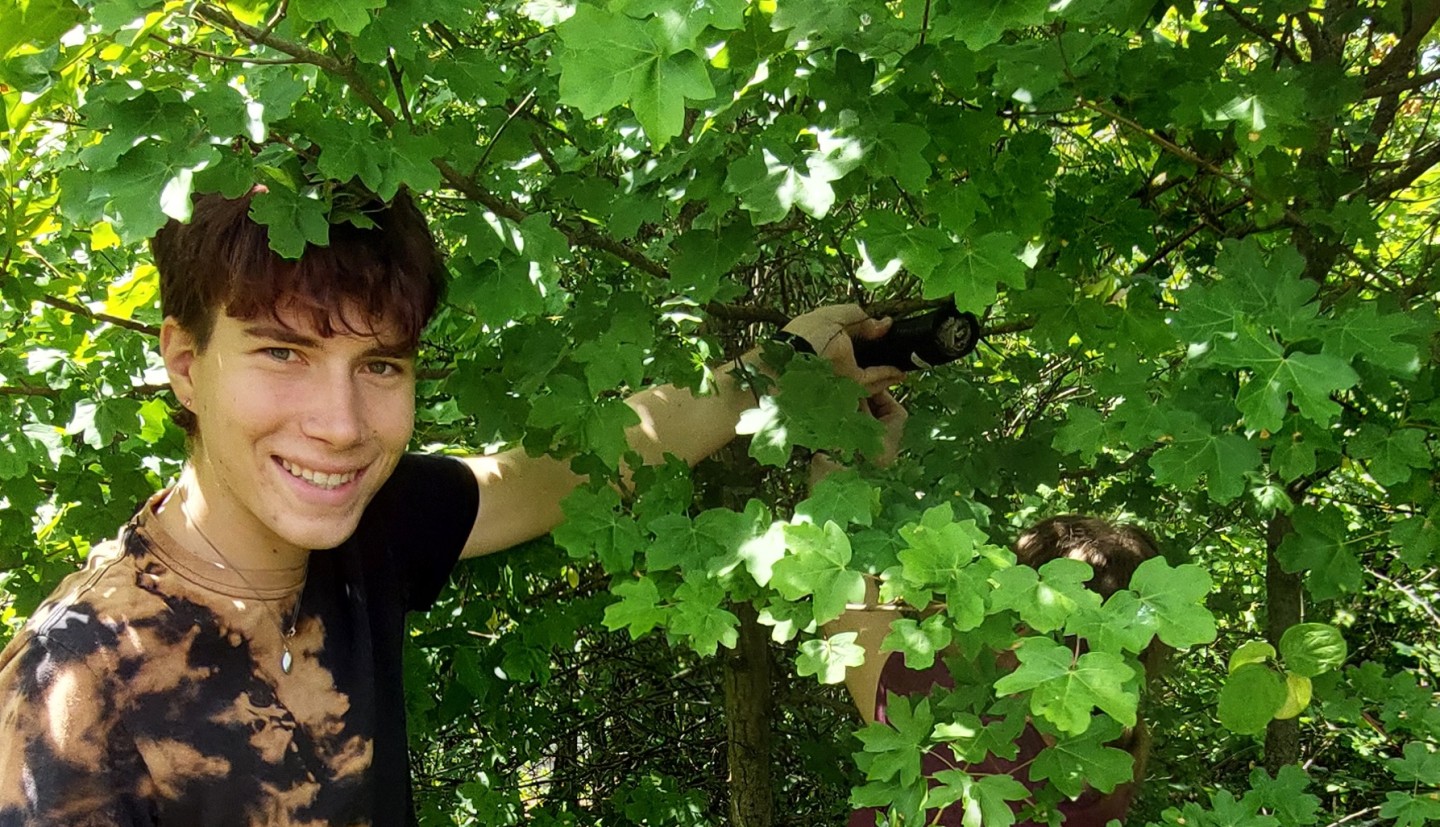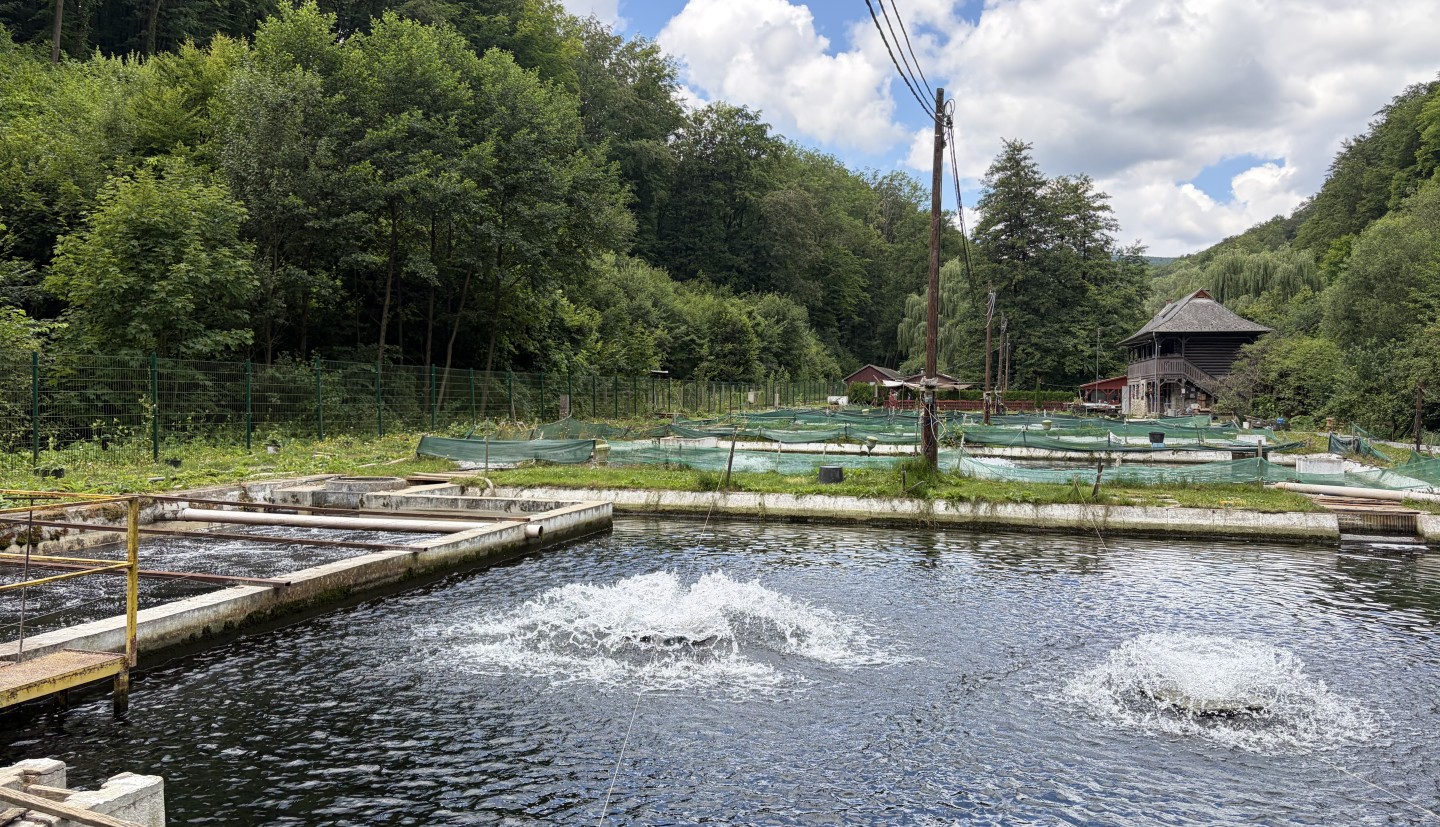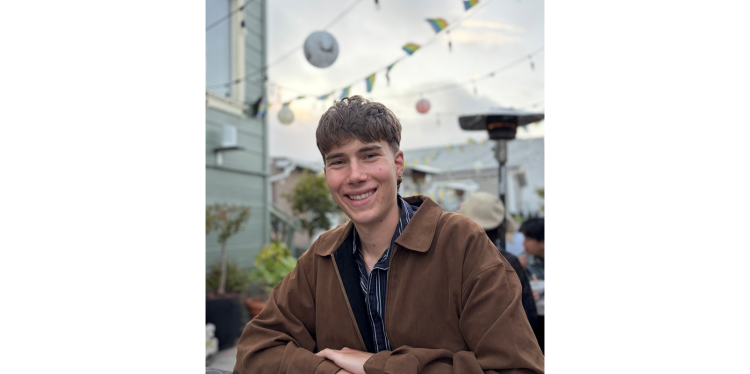
This past summer Axel Hanley ’28, a student from Berkeley, CA studying biological sciences, traveled to Budapest, Hungary, to intern with MATE, the Hungarian University of Agriculture and Life Sciences, through the CALS Global Fellows Program. Here, he talks about his experiences studying the impacts of cherry fungus and predatory insects while immersing himself in a new city over 4,000 miles from Cornell.
How did you find this opportunity and why did you feel drawn to it?
I found the CALS Global Fellowship at MATE University in Budapest through the Global Experiences website, knowing I would love to spend time in a new part of the world. I hope to use my ecological background to influence environmental policy, so I wanted to gain experiences conducting applied research and ecological studies outside of the U.S. I particularly loved the chance to explore a wide variety of ecology research being done across the university, helping in multiple labs over the course of my internship. The program also provided me with both independence and support, and I had plenty of time to explore the city outside of the nine-to-five internship.
What did you do throughout the internship?
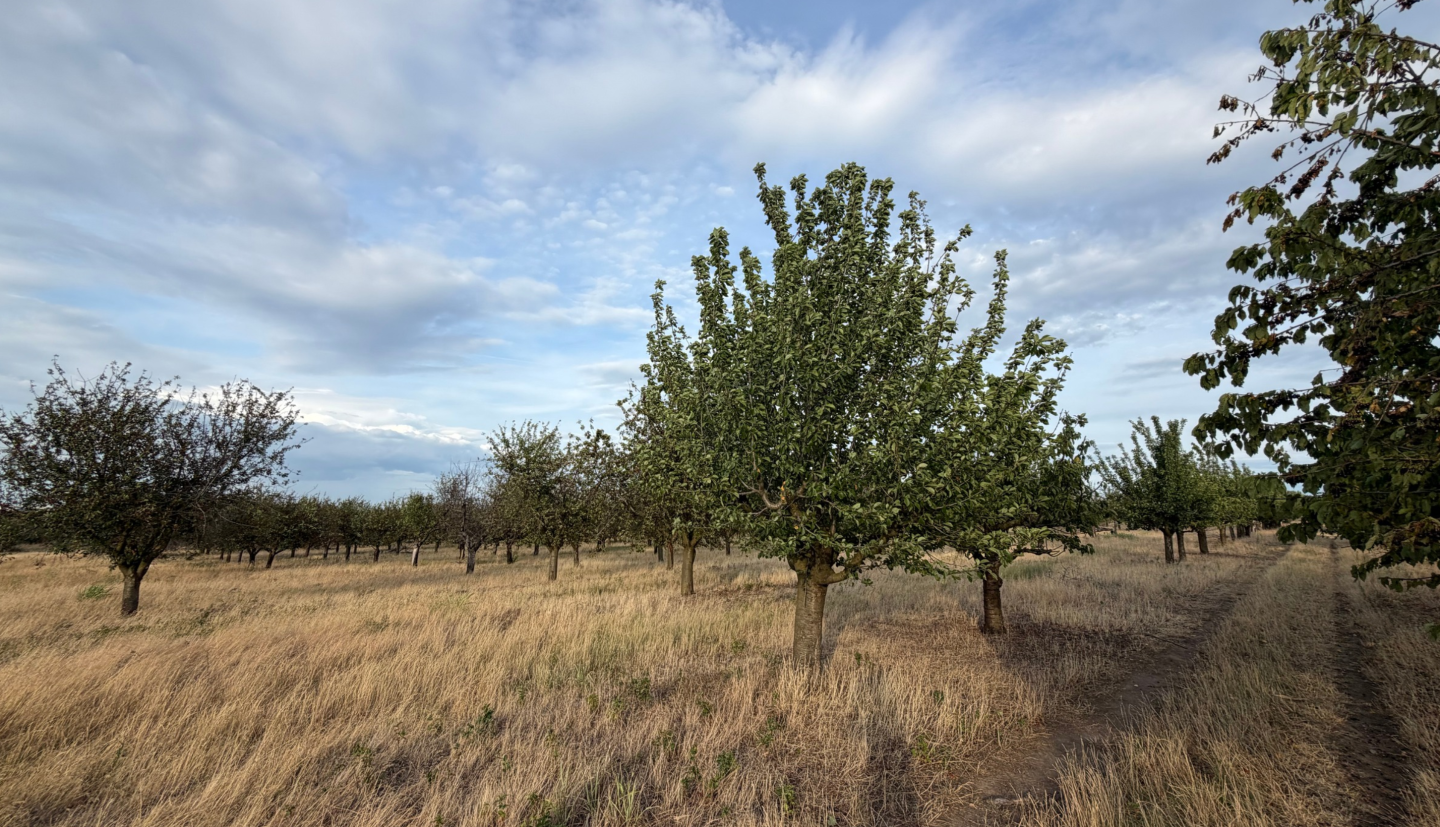
I got to work on two projects. The first was studying how fungicides can be optimized to mitigate sour cherry anthracnose, a disease caused by fungal pathogens. I visited experimental fields to quantify infection levels and inoculated specimens in the lab. I also joined a second project comparing earwig populations inside and outside of Budapest. This involved setting traps around the city and measuring earwigs under a microscope. Toward the end of my internship, I conducted a literature review, analyzed data and summarized the results for each project for a cumulative final paper.