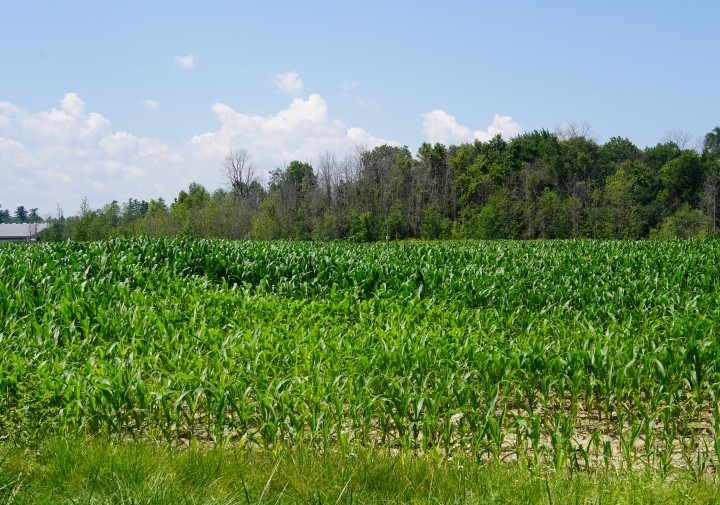
With hundreds of thousands of acres of corn in New York, it's crucial to support farmers’ efforts to optimize crop production. Yield varies in crop fields for many reasons, including soil fertility and topography. In a recent study, Cornell CALS’ Nutrient Management Spear Program (NMSP) researchers sought to discover the leading drivers of yield variability by studying 17 New York corn fields across six farms.
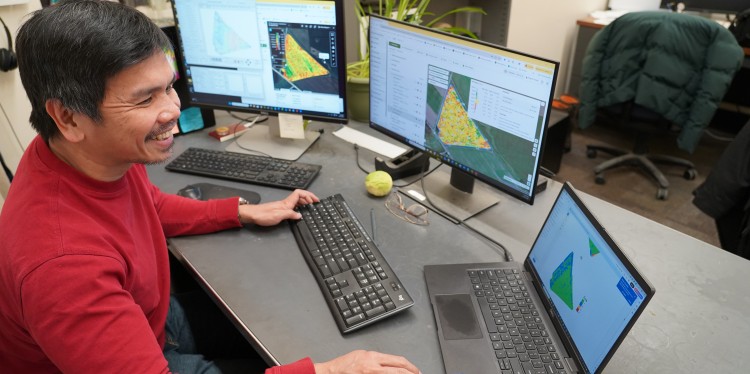
“We are fortunate to have long-standing collaborations with farmers and farm consultants who entrusted us with their yield monitor data, motivating us to dig deeper beyond identifying yield variability to explaining what’s causing it,” said Manuel Marcaida III, NMSP data analyst. “The additional layer of data from intense gridded soil sampling was valuable to make this research possible.”
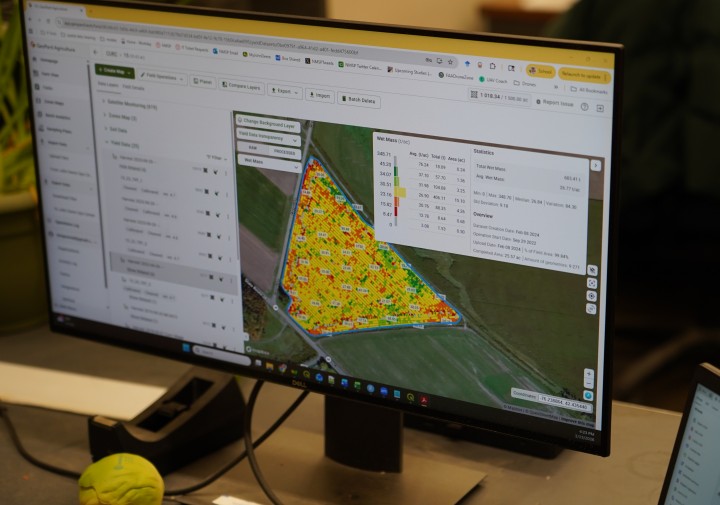
Yield variability is commonly recognized by farmers who know their fields well. Recent technological advances have allowed us to capture this variation through yield monitors which record the yield in real-time, linking the data to GPS location. The NMSP precision agriculture team cleaned these data for analysis and, for fields that had at least three years of yield data, the team also developed yield stability zone maps that describe whether a portion of a field has had high or low yield, and whether that has been consistent or variable over the years.