Academic focus: Insect physiology, microbiology, midgut biology and vector–pathogen interactions
Research summary: I study the female mosquito midgut – the first organ a blood meal, and any pathogen it carries, must pass through in the transmission cycle. My lab investigates how blood feeding, mating and hormonal signals remodel this tissue: how midgut cells grow and replicate their genomes after a blood meal, how hormones reshape gut immunity and its resident microbiota, and how all of this shapes a mosquito’s capacity to transmit viruses and parasites. By understanding the physiology that makes transmission possible, we aim to uncover new targets for controlling mosquito-borne diseases such as dengue, Zika and malaria.
What do you like to do when you’re not working?
When I am not working, I love to spend time with my family and friends. We love to travel and see the world around us, experience different cultures, and find joy in the small wonders of our planet.
What brought you to Cornell CALS?
I first came to Cornell as a postdoc, and I saw firsthand the collaborative, creative and prolific scientific community here – from the Department of Entomology, one of the strongest in the world, to colleagues across CALS working on insect physiology, vector biology and global health. When the chance came to build my own lab among these people, it was an easy choice.
What is an interesting fact about your field of study that you think everyone should know?
Not all mosquitoes bite! Some species don’t need blood to reproduce at all, and in the species that do, only the females bite. And even among blood-feeding mosquitoes, only some species are capable of transmitting disease.
Why did you feel inspired to pursue a career in this field?
I believe public health is a basic human right and that preventing vector-borne diseases in areas where they most burden vulnerable people is one of the most important tasks we have to support better health and equity for everyone. It is important to me to conduct basic and translational research that supports the development of efficient ways to prevent disease and keep people safe and healthy.
What advice do you have for students interested in your field of study?
Never lose sight of the ultimate goal: helping people at risk of vector-borne diseases stay healthy. When we do basic research to support implementation strategies, it is easy to start focusing only on the deep fundamental questions in front of us and lose sight of the big picture. Always remember the people who motivate the study. Remember the environment and the conditions in which things need to be translated. I find that this not only brings urgency to the research but motivates you to be more ambitious and careful with your resources and time.
What are your current or future outreach/extension projects?
I am building outreach efforts that connect vector biology with the communities most affected by vector-borne disease. These include a training partnership with vector-control professionals in Puerto Rico, undergraduate research mentoring through Cornell programs that broaden participation in science, and community health education in Guatemala, where I have previously worked on projects dedicated to training midwives in rural villages to talk with families about Chagas disease and encourage testing. I also love talking with the public – from school groups to open forums – about the surprising biology of mosquitoes.
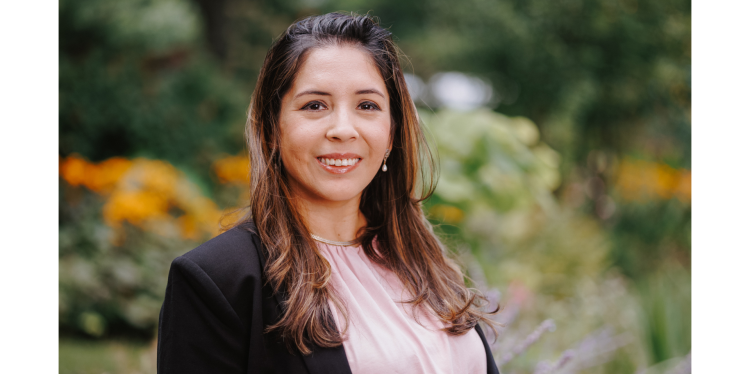
Learn more about Mabel from her CALS profile and lab website.