Back

Discover CALS

See how our current work and research is bringing new thinking and new solutions to some of today's biggest challenges.

Share
  • Animal Science
  • Agriculture
  • Dairy

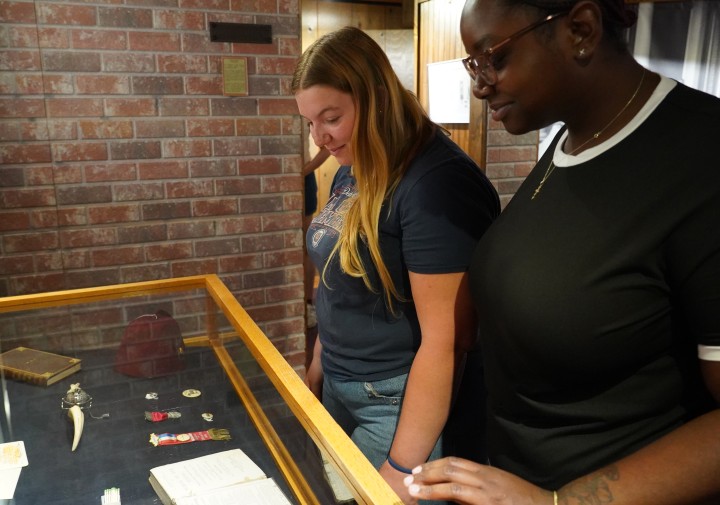
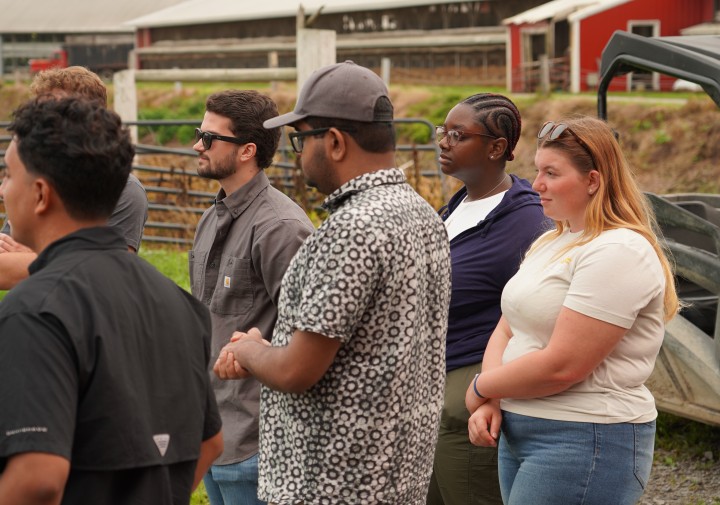
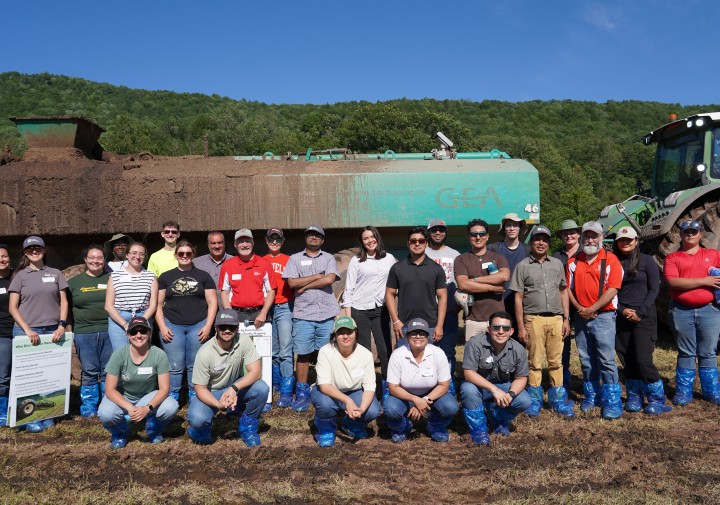
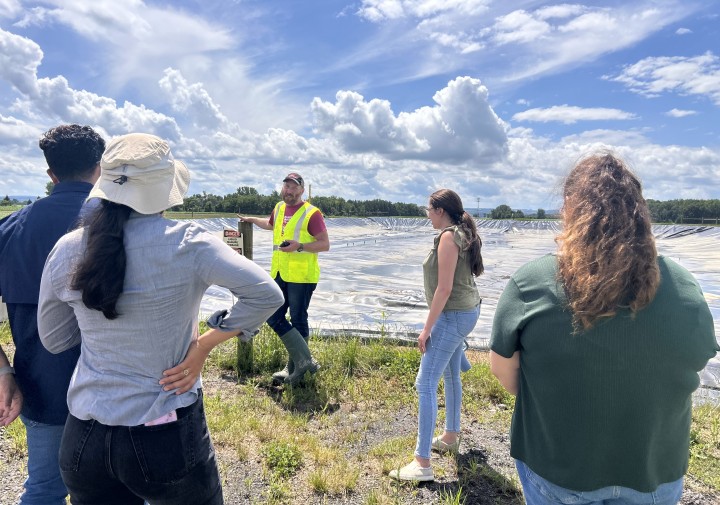
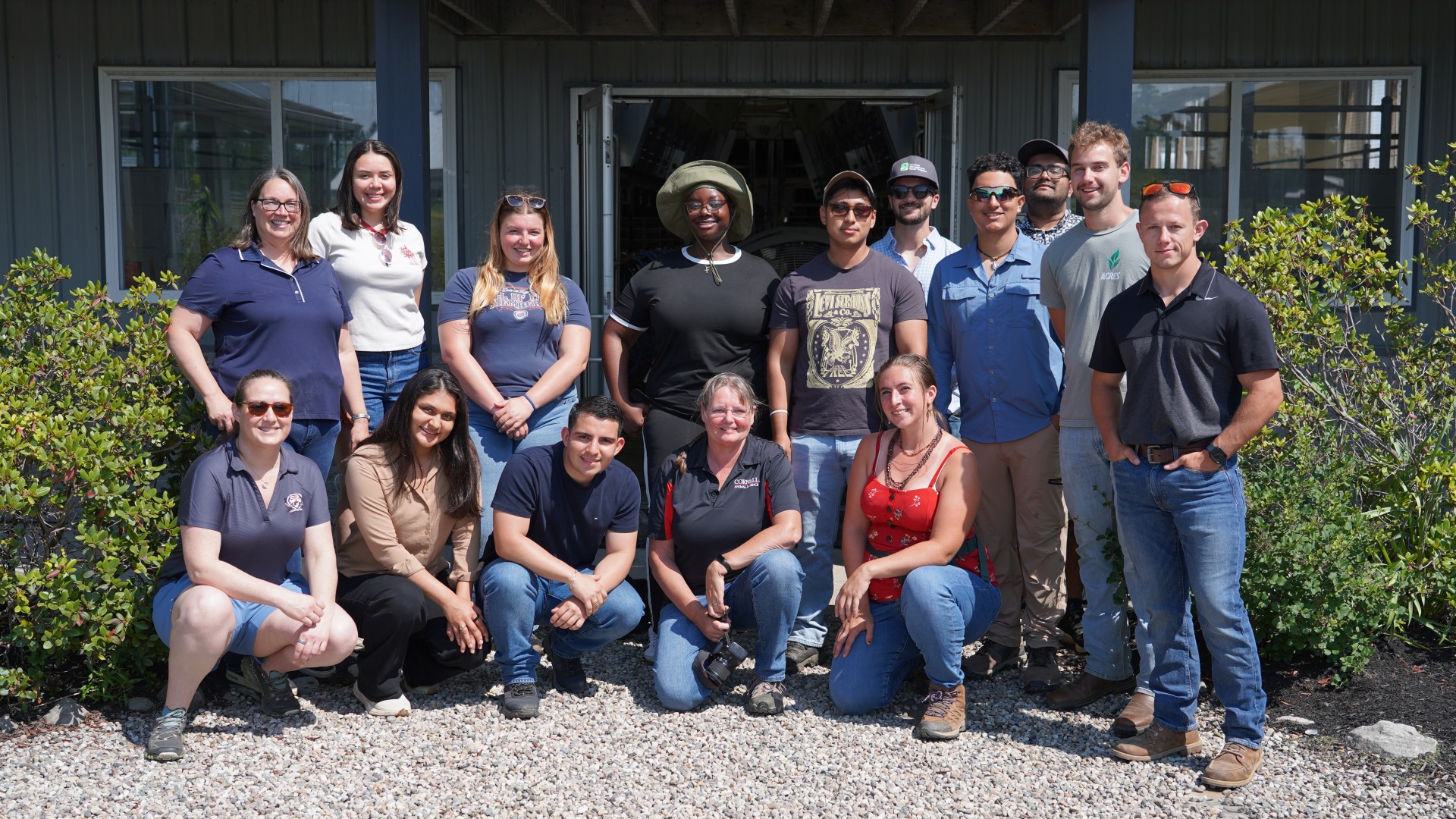
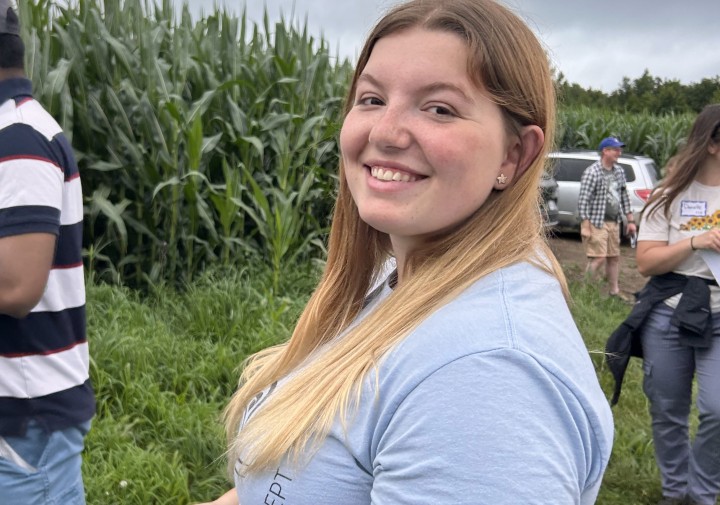
Abby White, Agricultural Sciences, Cornell CALS ‘29 and Candyce Lee, Agricultural Engineering, University of Arkansas Pine Bluff ‘27, joined the Nutrient Management Spear Program (NMSP) as interns this summer. We sat down with Abby and Candyce to see what they learned and hear the highlights of their summer experiences.

Why did you decide to apply for an internship with NMSP? What drew you to the program?

Abby: Growing up on a dairy farm in New York, I was already familiar with the extension side of NMSP, especially the dairy sustainability team. I decided to apply to be an intern because I wanted to learn more about how the team creates the reports that farms receive and gain insight about what happens behind the scenes.

Candyce: I’ve previously had the opportunity to be a part of multiple programs as a scholar, such as the STEM Academy at my university, Farm Credit Mid-America, The Society of MANRRS and the Bayer University Mentoring Program. Aside from briefly shadowing in a plant pathology labI had not interned with any other lab or company before joining NMSP, so this was my first time getting the full experience. I really wanted to gain more hands-on field experience, and NMSP had a lot of that to offer.
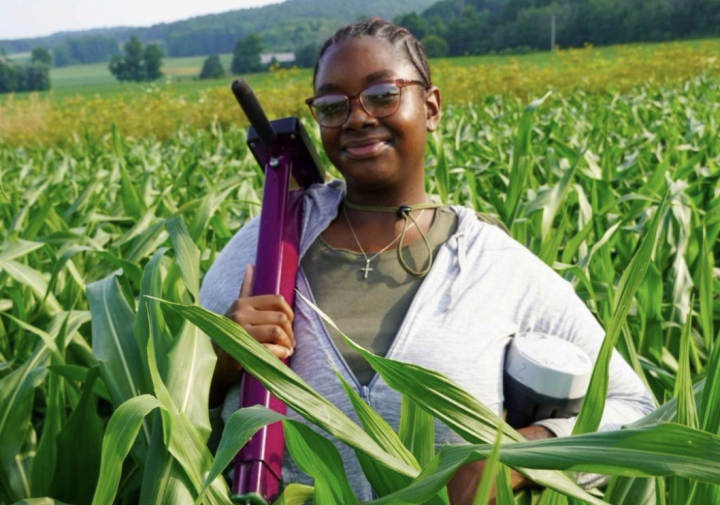
Neither of you have previously been interns. What were your expectations coming into your internships? How do those expectations compare to your experiences?

Abby: When I started with NMSP, I didn’t know what to expect. However, my overall experience was much better than I could have anticipated. I enjoyed the people I worked with and the work I was doing. There was never a dull moment in the office. 

Candyce: Coming into the internship, I expected to learn, work and pinpoint what I want to do in the agricultural industry. This summer, my expectations were greatly exceeded. I got what I wanted and more to bring home with me— for that I’m grateful!

What did you learn? 

Abby: I learned how to better use Excel and efficient data entry techniques. I also learned how to quickly communicate big ideas in ways anyone could understand, whether that be through formal presentations or day-to-day extension chats and emails. I feel like I gained a lot of skills that will help me both in my professional life and school.

Candyce: In the two months of my internship, I learned how to properly collect soil samples, use GPS technology, collect soil moisture data with a portable sensor, extract data in Excel, and conduct lab experiments using the NMSP lab manual and nationwide lab protocols.

I also got the chance to apply some of the soft skills I learned throughout my collegiate career, such as public speaking and presenting, team collaboration, formal communication and problem-solving— all in real-world scenarios. Having the opportunity to apply my skills in a practical and professional setting really helped me feel more prepared for my future career.

What experiences were a highlight for you this summer? 

Abby: I really enjoyed all the various field trips that allowed me to learn more about agriculture throughout New York State. The lunch discussions and debates were also among my favorite parts of this summer. With each day came a new topic that brought us all closer as a team. From childhood stories to inside jokes and which state is best, we were all comfortable sharing our opinions and ideas. 

Candyce: If a professor asks you to highlight the important parts in a textbook, and the textbook represented my summer— the entire text would be yellow because I would have highlighted everything! My summer was truly unforgettable. From the weekly industry visits to the long productive days in the field and the lab, everything about this internship was worthwhile.

Would you recommend this experience to other undergraduate students? Why or why not?

Abby: I would definitely recommend this experience to other undergraduate students. The atmosphere was really welcoming and supportive. I never felt like I had to know everything and was always encouraged to ask questions and learn new things. 

Candyce: 100% yes! This is an internship experience that is unique to NMSP. Dr. Ketterings has built a program that doesn’t feel like a robotic system of just getting work done, it feels like a group of people who have come together to do what they love— they just so happen to make up an entire productive research lab. 

You get the opportunity to explore so much in the lab, the field, and even the lunchroom, leaving you no choice but to be an absorbent sponge soaking up all the knowledge you’re surrounded by. You can feel the push to continuously learn, but it isn’t overwhelming. Through this internship, I finally figured out where I want to be and what I want to do, and for that, I am so grateful.

Madeline Hanscom '22 is the communications assistant for Cornell CALS’ Nutrient Management Spear Program (NMSP).

Keep Exploring

a man holds a vial of liquid and talks with another man in a white lab coat in a barn

News

Cows depend on microbes to live. Thousands of different species inhabit the rumen, the largest section of a cow’s four-section stomach. They ferment the grass that cow eats and extract nutrients, providing metabolites essential for the cow to...
  • PRO-DAIRY
  • Animal Science
  • Microbial biology
Corn field

News

Preliminary Cornell research on managing the dreaded seedcorn maggot is giving hope to growers across the state ahead of New York’s 2029 ban on neonicotinoid pesticides in field crops: Side-by-side farm trials of neonic-treated vs. untreated...
  • Cornell AgriTech
  • Cornell Integrated Pest Management
  • Agriculture