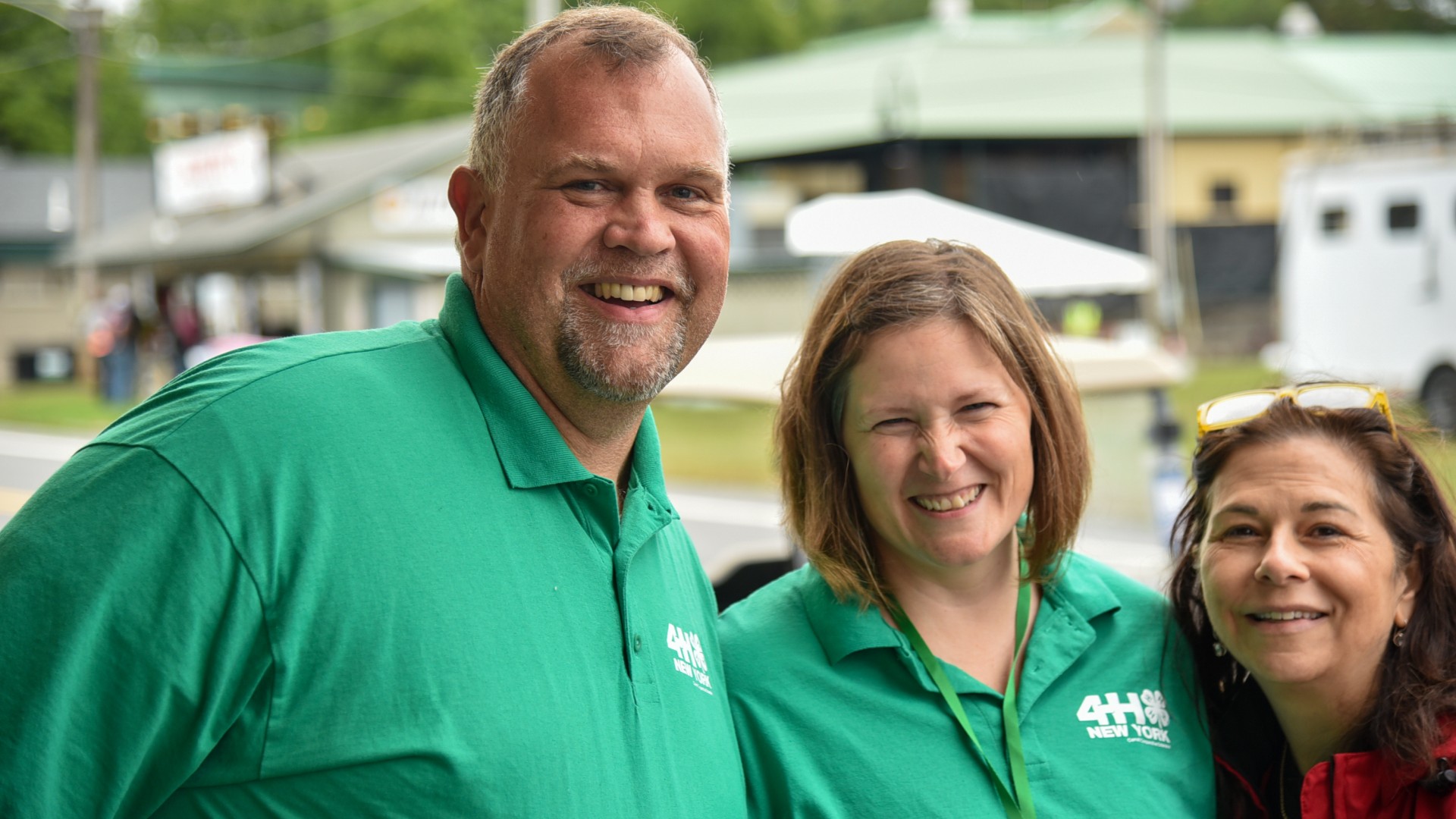
Raised on a small dairy farm near Binghamton, Brian Aukema’s path to Cornell was paved by 4-H and a seventh-grade spark that never dimmed. Today, as the New York State 4-H Livestock and Companion Animal Specialist, Aukema builds hands-on programs that open diverse animal science pathways for youth across the state.
New York State 4-H Livestock and Companion Animal Specialist
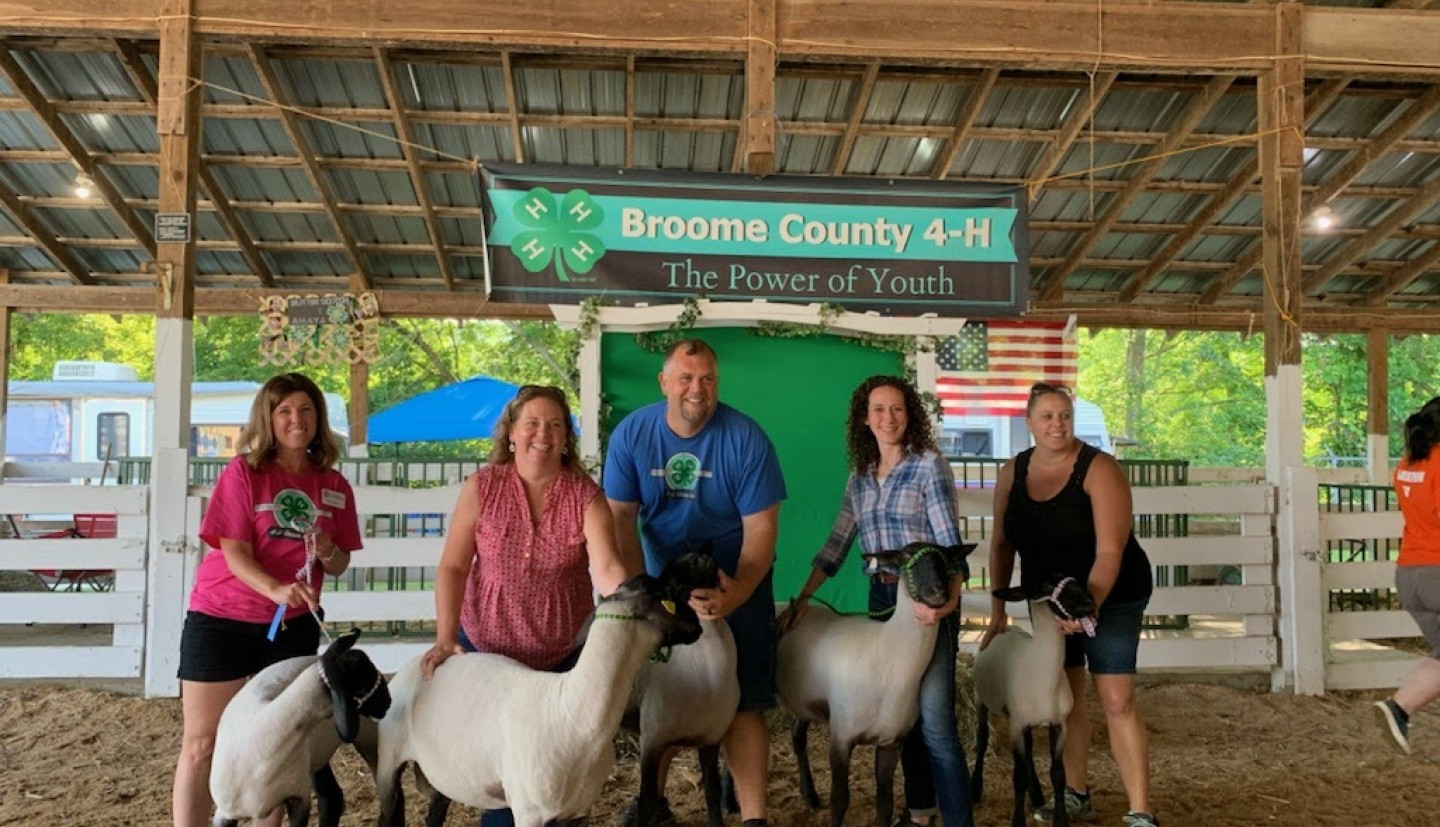
How did your early life on a dairy farm shape your career path?
I grew up on a small dairy farm outside Binghamton and spent most of my youth in 4-H. A seventh-grade career trip sparked my goal to attend Cornell and work in Extension—a dream reinforced by mentors like Ben Wood and Narola Rosenberg. I studied ag business at SUNY Morrisville and animal science at Cornell. Interning with Tom Dumas and Ann LaFave made Extension feel like home.
After three years in Extension, I tried classroom teaching for a year but realized I preferred non-formal education. I returned to Broome County CCE, and added vocational education coursework at SUNY Oswego, which resulted in earning my master's degree in vocational education.
How did your role evolve during your 24 years in Broome County before moving to the state level?
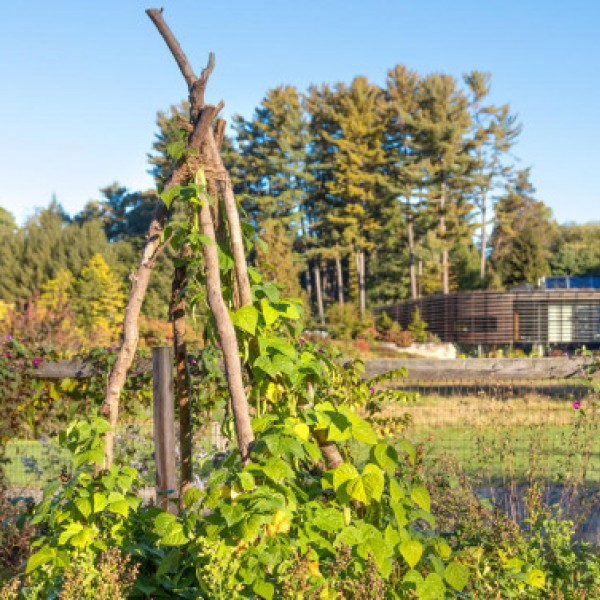
I served in many roles, eventually becoming Ag Program Lead and Assistant Director. During the 2008 budget cuts, I began leading the Master Gardener and horticulture program, managing a 5-acre botanical garden and 100 volunteers. I focused on building a clear leadership structure and stabilizing finances before helping hire a dedicated horticulture educator.
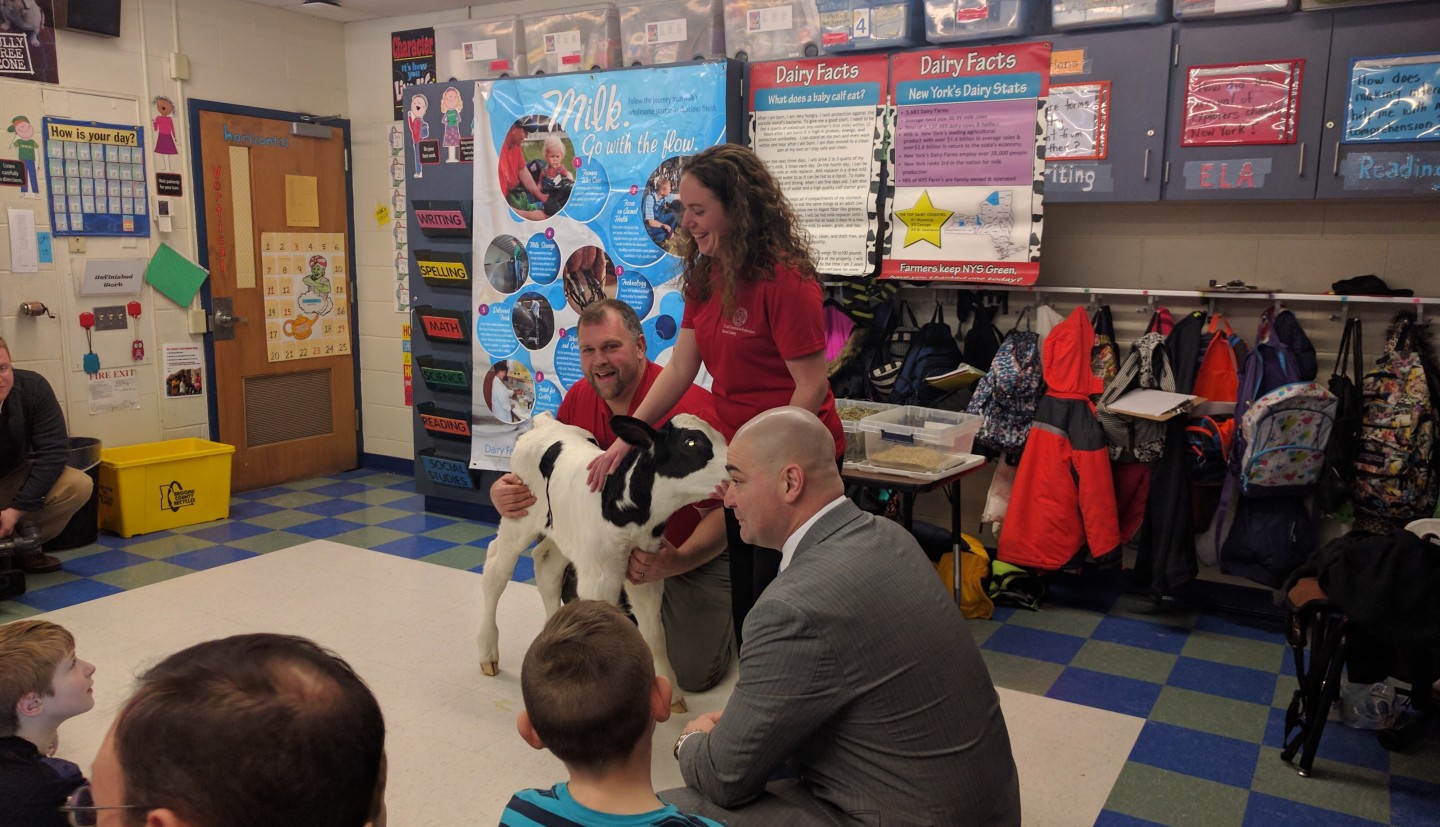
I also co-founded Ag in the Classroom with former CCE Broome County Executive Director Vicki Giarratano (now CCE’s assistant Director for agriculture and food systems) and Beth Roberts who currently serves as the CCE Broome County Executive Director, growing it into the largest program of its kind in New York. About four years ago, with encouragement from current Beth Roberts and Cornell colleagues, I accepted my current state specialist position.
Can you describe your current responsibilities as a state specialist?
I oversee statewide responsibilities within the Department of Animal Science for 4-H Youth Development Programs, providing leadership for 4-H animal science livestock (beef, sheep, swine, poultry and llama) and companion animal (dog, cat, rabbit and other pets) programming.
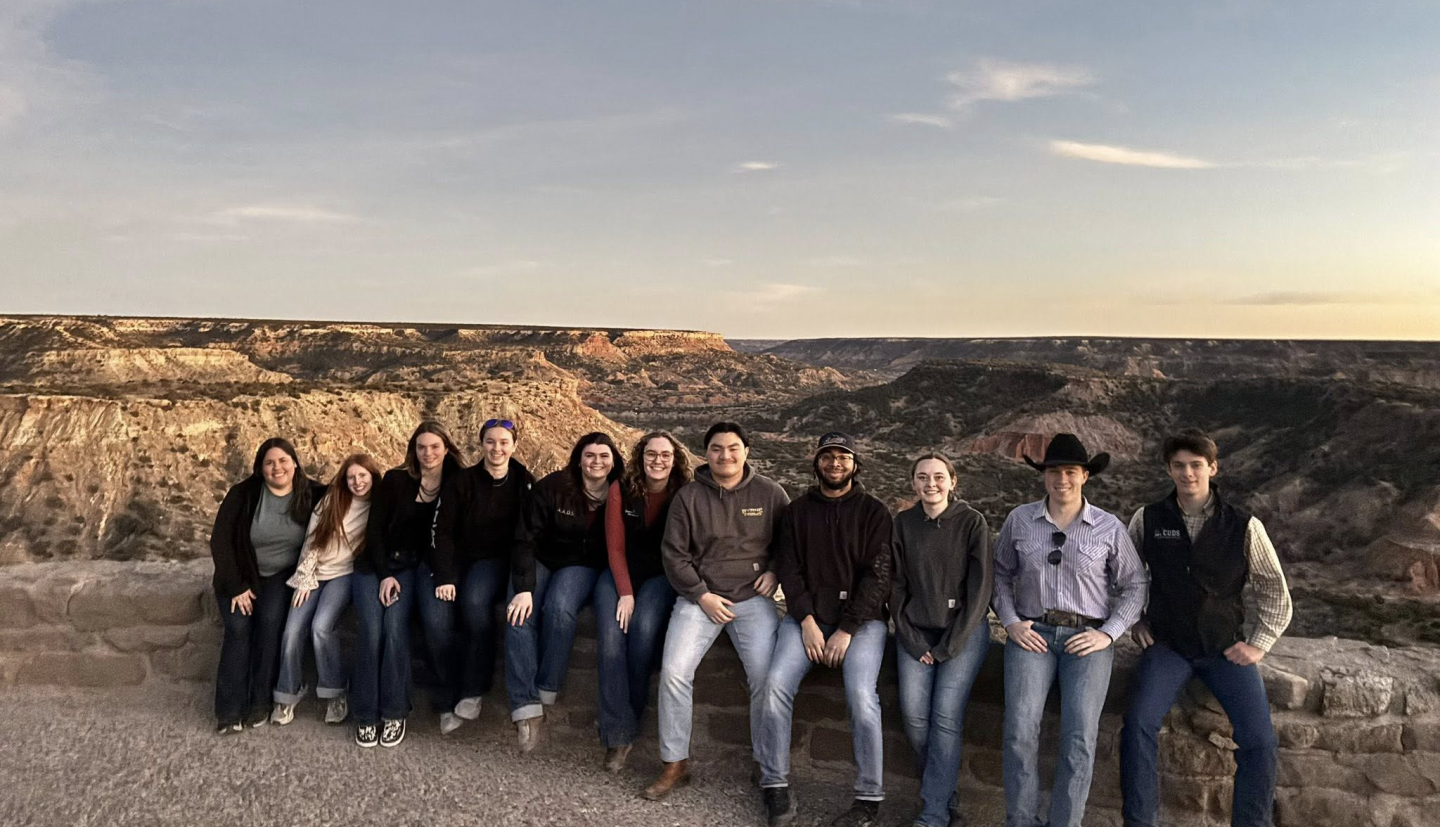
I also work with the Cornell Pro Livestock team to provide undergraduate opportunities in the Livestock industry such as advising the Cornell Block and Bridle club and undergraduate livestock educational trips which have included trips to Colorado and Texas.
It’s rewarding to see former 4-H members join these experiences as Cornell undergraduates and beyond.
You’ve launched several career exploration programs. What is the goal of these initiatives?
We started the Animal and Agriculture Leadership Program and the New York State Livestock Ambassador Program to show youth the breadth of animal science beyond owning a farm. In the Animal and Agricultural Leadership program we partner with Cornell and SUNY schools—including Alfred, Cobleskill and Morrisville—to highlight diverse pathways and opportunities for careers in Animal Science.
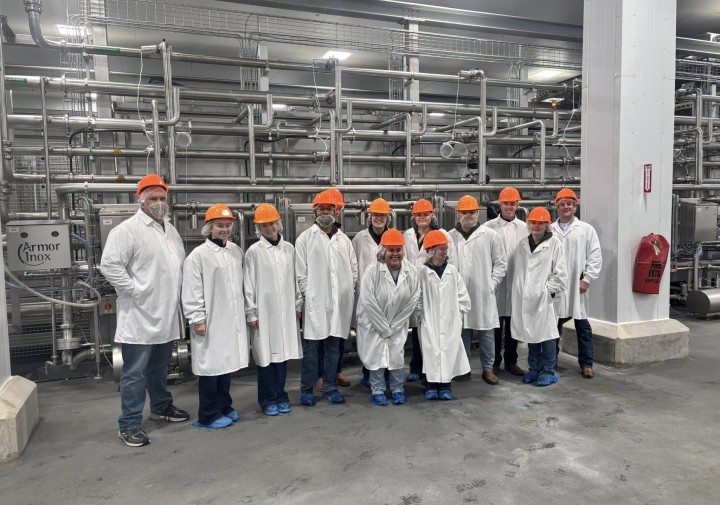
The NYS Livestock Ambassador Program focuses on career opportunities specifically in livestock production. The programs emphasize hands-on learning, from breaking down a carcass at a slaughter facility to exploring the wool supply chain at Battenkill Fiber. Upcoming sessions include visits to feed mills, on-farm nutrition work with a nutritionist, and the largest sheep producer in New York. We want to reveal vet and non-vet pathways to address the workforce gap in agriculture.
Is there a specific moment that stands out as an example of the impact of this hands-on approach?
During a Livestock Ambassador session, a pre-vet high school senior was assigned to perform a castration on a boar piglet. The student was terrified, but with coaching, she did it. That moment flipped a switch. She realized she could handle the realities of veterinary work and left more confident in her path. Those "aha" moments are why we create these experiences for youth who may be generations removed from farming.
How has technology changed the way Extension operates?
The change has been dramatic. When I started, three or four of us shared one computer. Now, drones enable targeted spraying—in fact, my son is training as a drone pilot—and ultrasound lets us evaluate carcass traits on live animals. It has also changed our delivery, people Google answers at night instead of calling in the morning. Our role now is to be the provider of trusted, high-quality information in a sea of data. We are also able to reach youth in a different capacity such as the Livestock Summit where I host a 5-week online program for youth across the state to learn about nutrition, breeding, marketing, and more in a virtual setting. These are opportunities that weren’t there when I started.
Keep Exploring
Field Note
Kaitlin is on a mission to make melon growing more sustainable. Growing a melon is not as simple as planting a seed and waiting for a sweet summer harvest. From tiny seedlings to the fruit on your picnic table, melons face nonstop pressure from...
- Cornell AgriTech
- School of Integrative Plant Science
News
- Ashley School of Global Development and the Environment
- Global Development Section
- Natural Resources and the Environment Section
We openly share valuable knowledge.
Sign up for more insights, discoveries and solutions.