Response
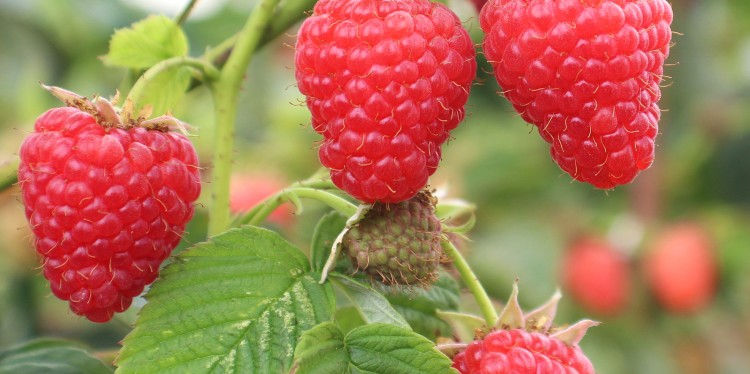
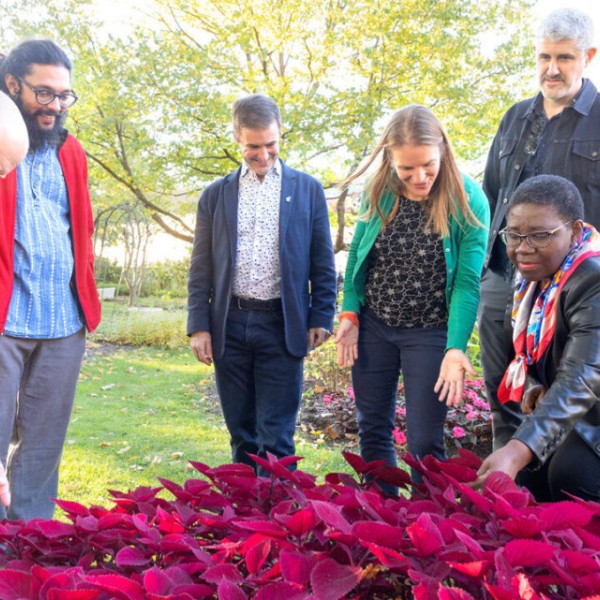
Cornell Cooperative Extension and Cornell University’s Berry Breeding Program combined research, on-farm trials, and grower education to address these needs. Over three years, researchers evaluated 18,480 berry seedlings, including strawberry, red raspberry, black and purple raspberry, and blackberry, for yield, fruit quality, disease resistance, and production timing. Selections were tested at Cornell AgriTech and through on-farm trials in New York and multistate locations. A total of 120 advanced genotypes were selected for further evaluation and propagation. In 2025, five strawberry and raspberry selections were propagated for commercial trials at three New York farms. Previous work led to the development of 2 primocane red raspberry varieties, ‘Crimson Beauty’ and ‘Crimson Blush,’ which were released, licensed to nurseries, and made available for 2025 spring planting. Extension outreach included field tours, grower consultations, and industry presentations, providing performance data and management guidance.
Results
‘Crimson Beauty’ begins harvest in late July to early August, while ‘Crimson Blush’ extends production from September into November, increasing the marketing window for NY growers. Licensed nurseries reported strong sales, expanding availability across the United States and Canada. Growers gained access to new cultivars and research-based data to support variety selection and protected production practices, improving production efficiency and market timing.
Public Value
This work strengthens the competitiveness of New York’s berry industry by expanding local production and extending seasonal availability. Increased farm profitability supports regional supply chains and improves consumer access to fresh, high-quality fruit.