Back

Discover CALS

See how our current work and research is bringing new thinking and new solutions to some of today's biggest challenges.

Share
  • Agriculture
  • Field Crops
  • Crops
  • Soil

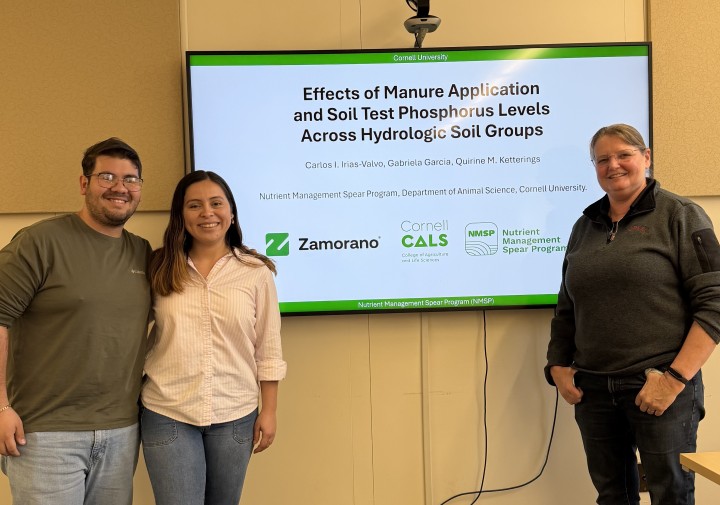
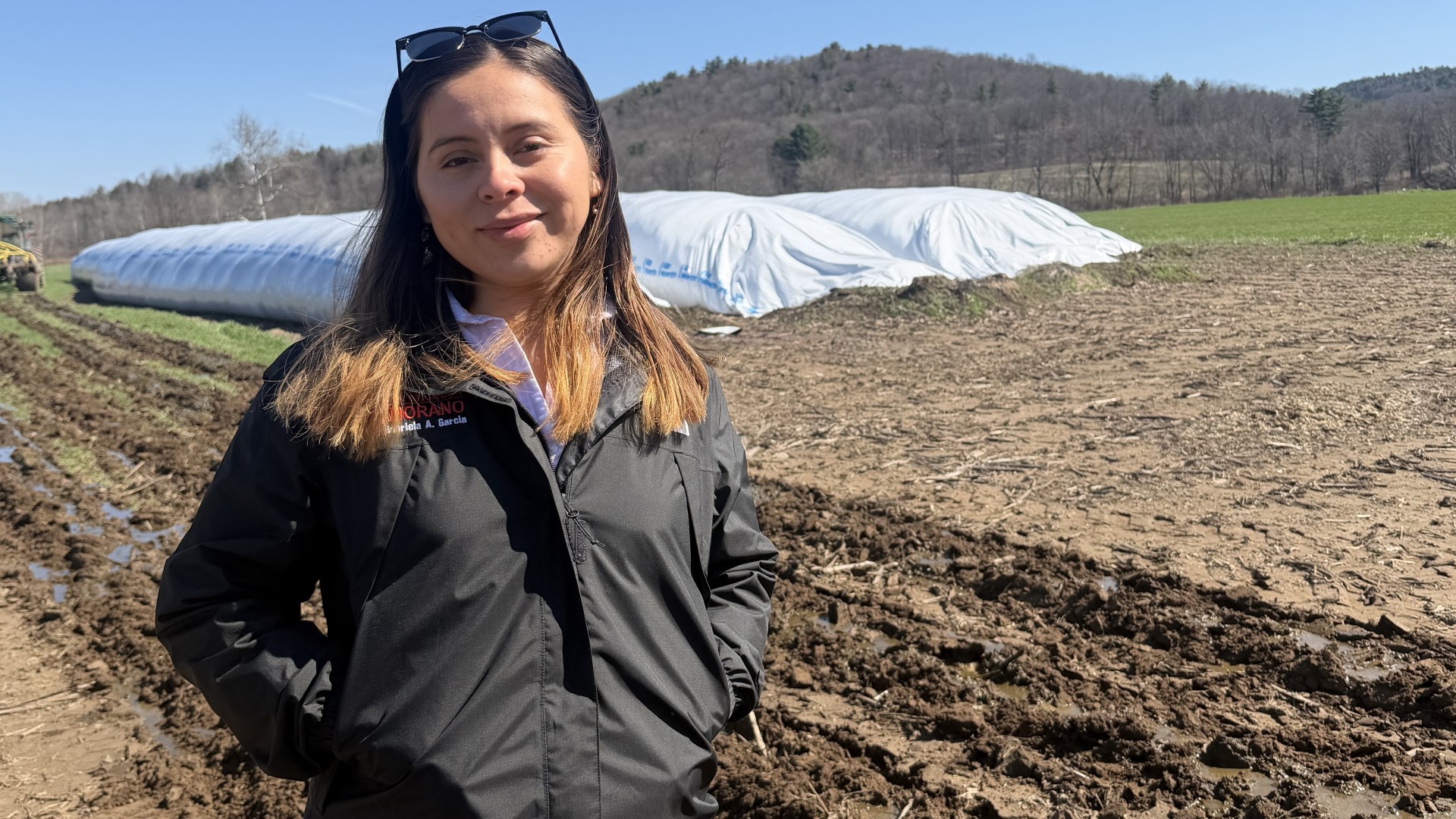
Gabby Garcia joined Cornell CALS’ Nutrient Management Spear Program (NMSP) as an intern from Zamorano University hoping to expand upon her knowledge of agriculture. During her time at Cornell, she worked on the rainfall simulation project alongside Carlos Irias. Now, with more experience under her belt, she is excited to dive into an agricultural science focused master’s program and bring her newfound insight back to her home country, Belize.

What did you learn from working on the rainfall simulation project?

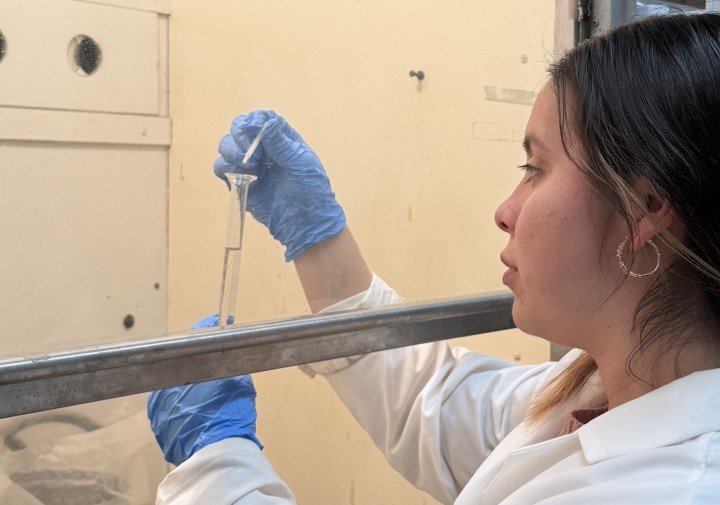
Working with the rainfall simulator was a unique experience. The first thing that I learned from this project was that reading about the work and seeing it in action is not the same. 

Sometimes it had issues and we had to wait, be patient, or look for other strategies, which I think was a very beneficial experience. Plus, it was so great working with Carlos, we learned many new things together.
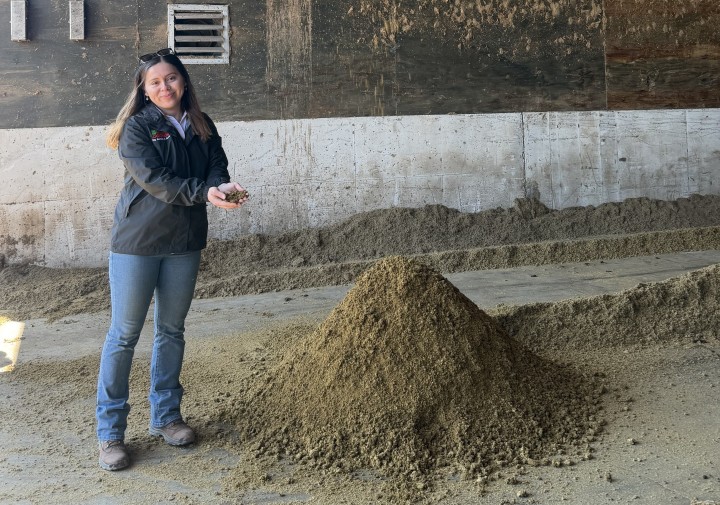
Something that I came to realize though, is that sometimes the results of the experiment are not what you would expect– but it’s an experiment, by nature, that’s going to happen sometimes. 

I was very new to a lot of the specific topics when I first came here, and I wanted to know exactly why we were doing each step in the research project, the reasons behind our methods. After reading many research articles in detail, I was able to catch on and learn a lot about specific nutrients and how they behave.

Overall, I learned a lot from this experience and I can’t believe how fast the four weeks of running rainfall simulations flew by.

What were the biggest challenges you faced, and how did you overcome them? 

When I first came here, I was new to a lot of things. I’ve worked in a laboratory before, but this one was completely different– the equipment, the methods, all of it was new, but in a good way. I’m really glad that I got the opportunity to immerse myself in this environment and learn so much. Also, in several of our weekly project meetings we discussed papers and that helped me better understand literature. It was not as easy as I thought it would be to read and understand publications but it was a great exercise.

How was your experience with NMSP overall?

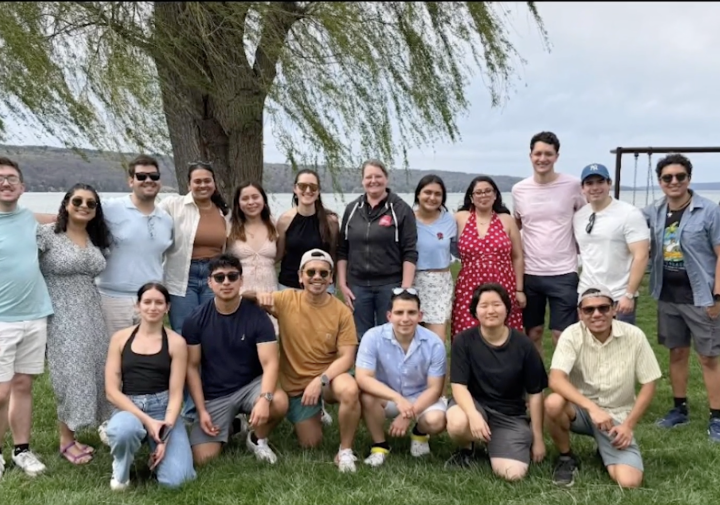
Very good, I think that the whole team supports each other and communicates well, and that’s the key for a group to be successful. I felt so welcome when I first came here. I really appreciated that my mentor Carlos always had my back, he supported me in every way. 

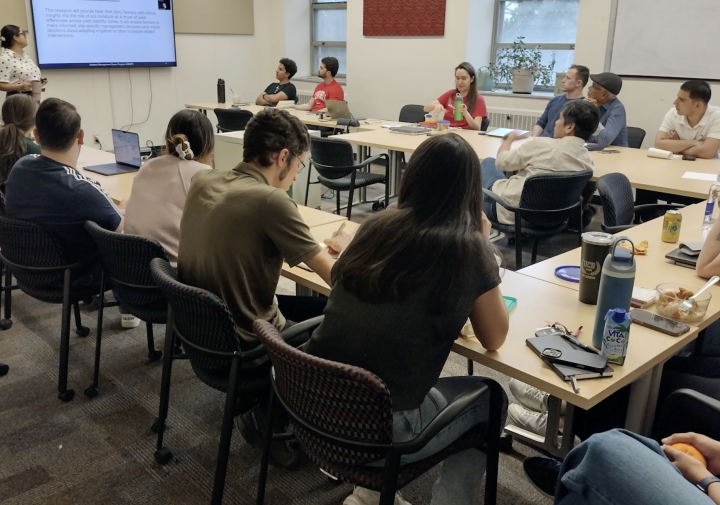
It was a great experience overall, I would recommend it to anyone who thinks they might be interested in academia or research. I didn’t just learn about my own work and the research that I was doing, I learned about different perspectives, other team members’ projects, how to manage my work, more ways of interacting with others. I got a little bit of everything, and that helped me grow a lot as a person.

What are your plans going forward and how did your time here at Cornell prepare you for what’s to come?

I am sure now that I really want to do a master’s degree in agriculture, something in crop sciences or soil– there’s a big need for that in my country and I would love to study something that I can apply there. When I first came here, it was on my mind, but now I have decided for sure.

After that, I hope to go back to Belize and bring my knowledge with me to help support farmers there. I really want to help my country grow. 

Sometimes you think you already know a lot of things but it’s not like that– you will never stop learning! I need to know so much more, why not continue getting more knowledge? Seeing everybody here completely immersed in their topics, changing the world, applying their knowledge– I want this, I want to continue growing so I can get to this point. I am grateful for my time here and now feel much more confident in my direction going forward.

Madeline Hanscom ‘22 is the science communications assistant for Cornell CALS' Nutrient Management Spear Program.

Keep Exploring

hand holding grape cluster with rot

Field Note

Sour rot is a potentially devastating, late-season bunch rot of particular concern on tight clustered grapevine varieties in warm, wet years. This causes the disease to have sporadic effects on grape harvests, with some years showing only small...
  • Cornell Integrated Pest Management
  • Plant Pathology and Plant-Microbe Biology Section
  • Viticulture and Enology
Illustration of woman touching cow with a background of a building schematic

News

One of the newest additions to Cornell’s Living Lab, the anaerobic digester will generate electricity and provide a real-world testbed for researchers across campus.

  • Cornell Cooperative Extension
  • PRO-DAIRY
  • Agriculture