Back

Discover CALS

See how our current work and research is bringing new thinking and new solutions to some of today's biggest challenges.

|
By Krisy Gashler
Share
  • Cornell Cooperative Extension
  • Cornell University Agricultural Experiment Station
  • Willsboro Research Farm

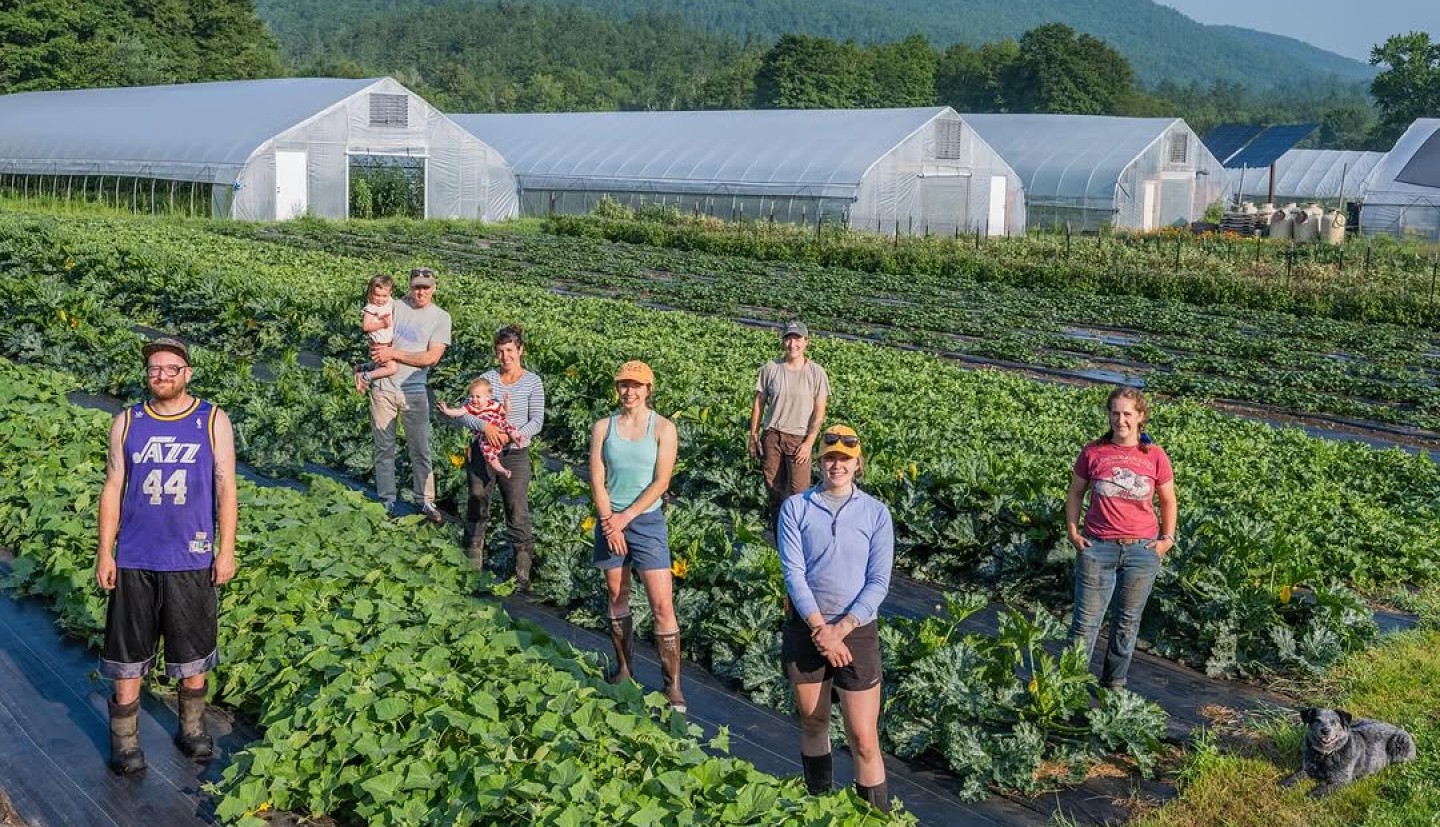
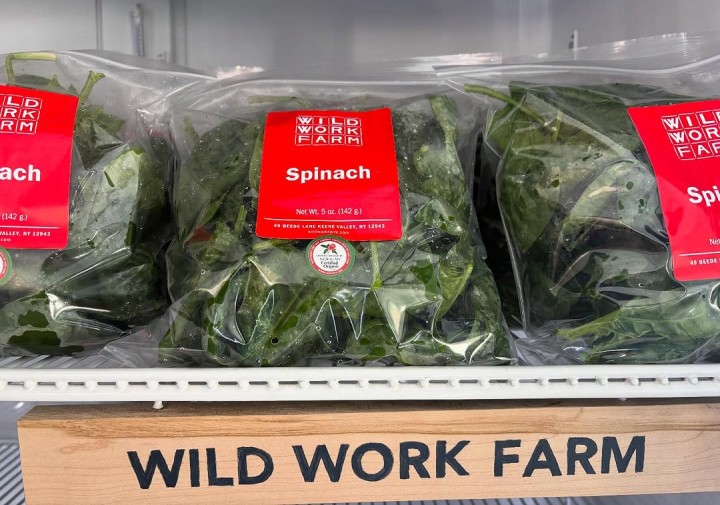
At Wild Work Farm in the North Country’s Keene Valley, the last frost can come as late as mid-June, and the first frost usually hits in September, said owner and operator Lissa Goldstein. Coping with that very short growing season is one of Goldstein’s primary challenges. 

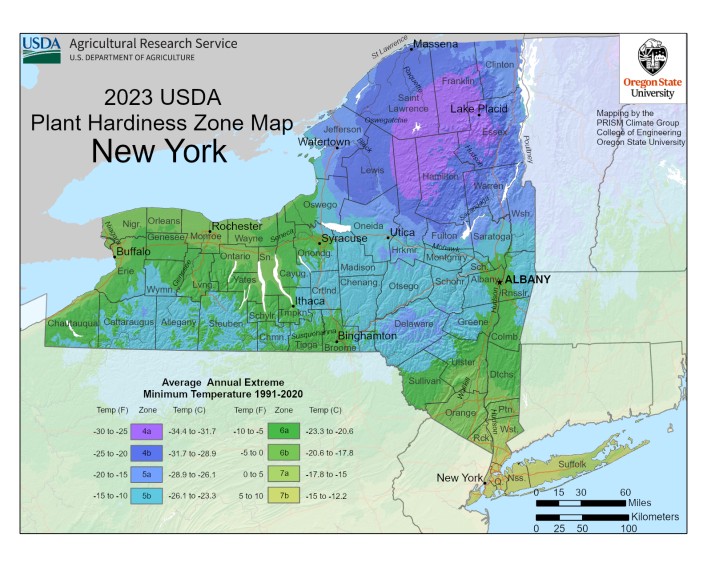
For decades, Cornell’s Willsboro Research Farm on the edge of Lake Champlain has been conducting research to help North Country growers like Goldstein make the most of short growing seasons. The U.S. Department of Agriculture maps regions based on temperatures to identify hardiness zones, which help growers know which crops and varieties they can plant – lower numbers are colder, and higher warmer. The Hudson Valley, Long Island and much of the Finger Lakes growing regions fall into hardiness zones 6-7. In the Adirondacks and northward, that hardiness falls to 4 or 5. 

“Any research that’s specific to this region, to our growing season, is really helpful, because we’re very different from the rest of New York State,” Goldstein said. “The people that work at Willsboro, they are very intimately aware of what the farmers in the area are doing and what we’re focused on. So they’re able to tailor the research so that it is relevant to us.”

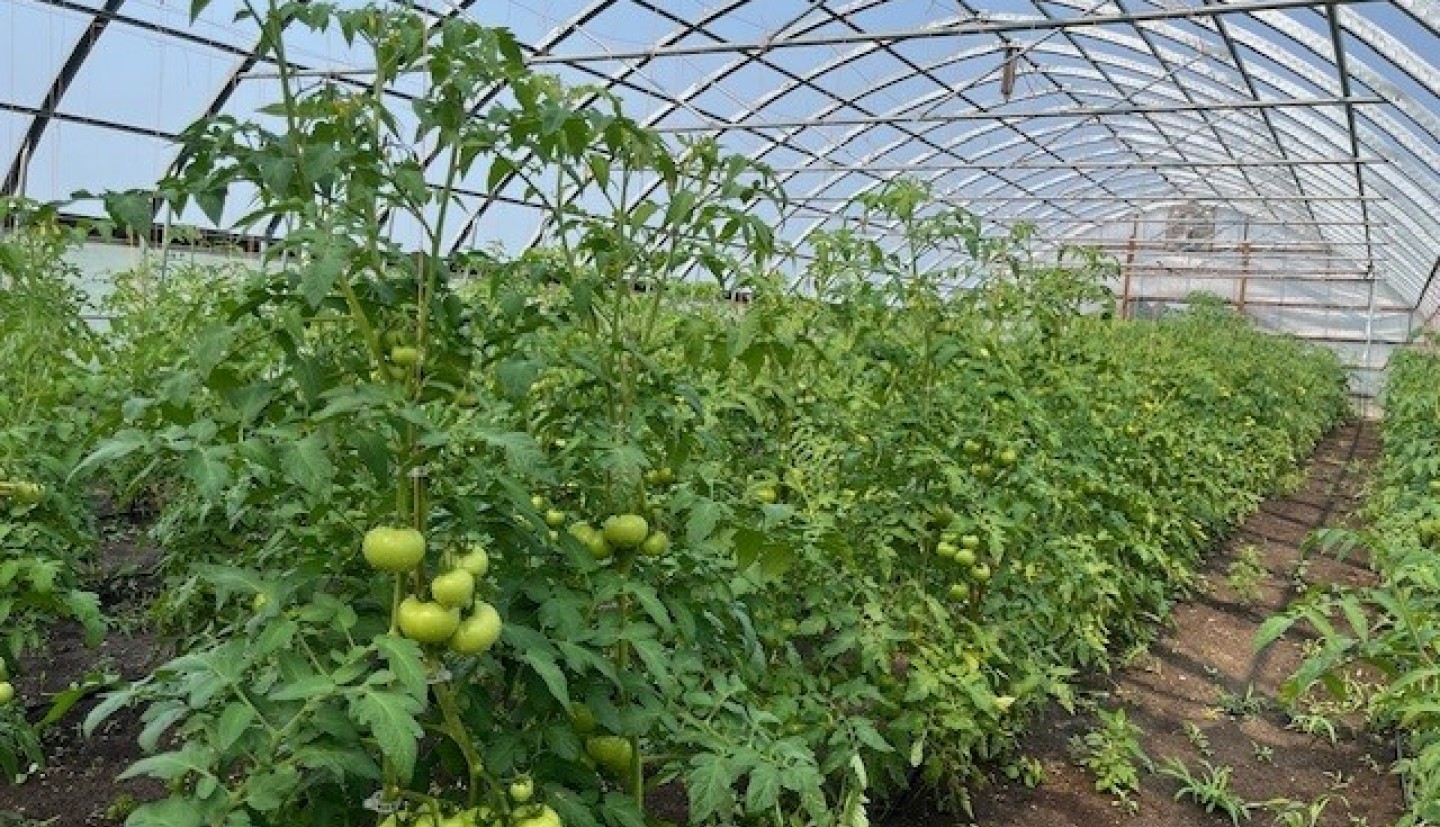
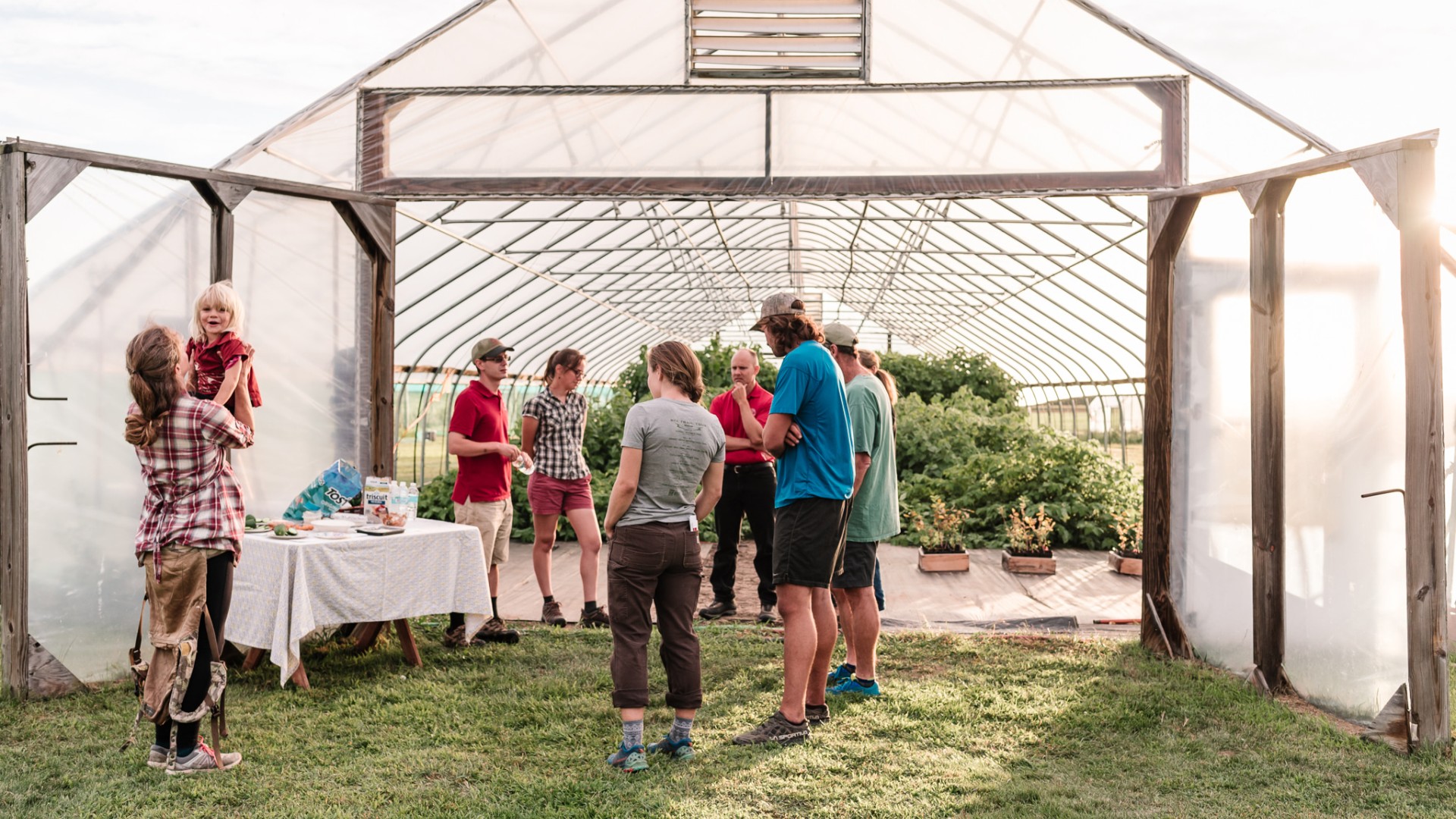
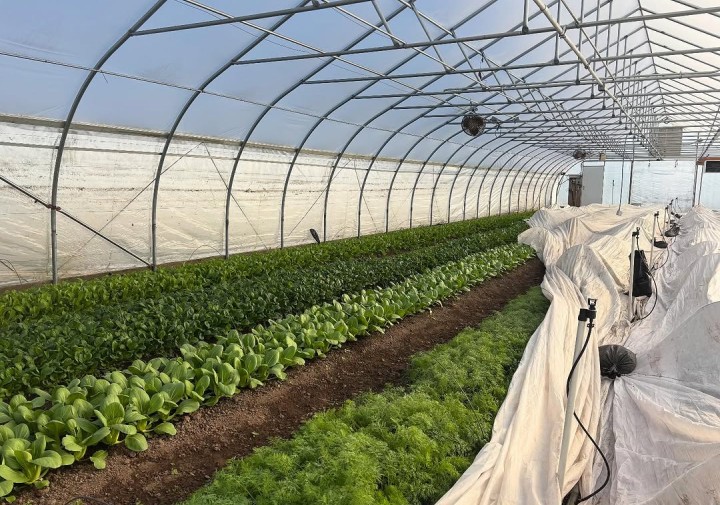
That research includes testing which crops, varieties and management practices can perform well in high tunnels – unheated, metal-framed, plastic-covered structures that provide protection and some warmth for crops grown in the soil. Over the past 20 years, their use has skyrocketed among vegetable, fruit and flower growers, increasing yields and profits in cold climates. 

 “We have these research farms in different regions across the state because conditions are different, farmers’ needs and interests are different, and we’re trying to support the farming communities as best we can to succeed and be profitable,” said Mike Davis, manager of Willsboro Research Farm, one of eight research farms across New York state managed by the Cornell University Agricultural Experiment Station (Cornell AES).
Helping growers succeed

High-tunnels create a growing environment that is 1-2 USDA hardiness zones warmer than outdoors, said Elisabeth Hodgdon, North Country vegetable specialist with Cornell Cooperative Extension (CCE), who leads Willsboro’s high-tunnel research. 

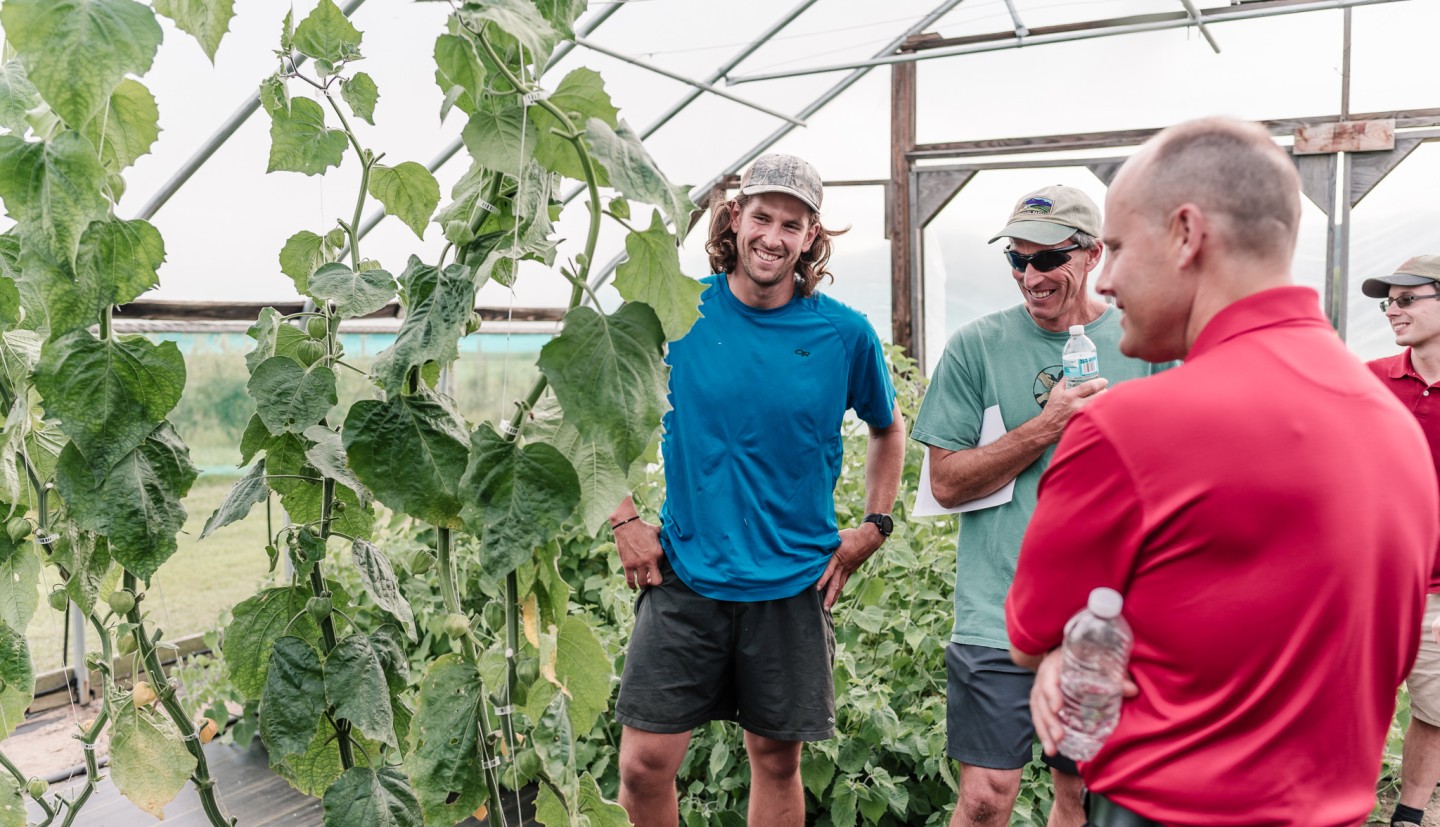
Willsboro began running experiments with high tunnels 20 years ago and found that yields inside tunnels were up to four-times higher inside than outside, Davis said. Since then, researchers have tested things like growing tomatoes, cucumbers, melons and berries along vertical trellises to save space; overwintering spinach, lettuce and onions to enable later and earlier crops; and testing unique and native fruits, like ground cherries and golden berries, inside high tunnels. The benefits of high tunnels are so clear, the U.S. Department of Agriculture’s Natural Resources Conservation Service (NRCS) offers grants to help farmers install them, and most Northern New York vegetable growers now have at least one, Davis said. 

“There’s a ton of questions about how to run and manage these high tunnels. Because so many growers are getting NRCS money to put them up, they need help understanding how to manage them, what to plant and when, because it is such a different environment than what they’ve been used to,” Davis said. “But it’s really promising, and I think we are helping growers to succeed with extending their seasons.”

Goldstein agreed, saying high-tunnels are critical to the success of her three-acre, mixed-veggie and berry operation

“When we started our own farm in 2017, the very first thing we did was build a high tunnel,” Goldstein said. “We need the growing space for starts, but also, I wasn’t really willing to gamble on putting warm-season crops outside. And I wanted to extend the season.”

Jenna Mulbury, co-owner and operator of Northern Orchard farm in Peru, NY has three large high tunnels as part of her 15 acres of veggies and berries. The farm’s primary income comes from its 500-acre apple orchard, but the veggies enable the farm to offer fresh produce to their community – and keep their employees on staff – year-round, she said. 

“The season extension that the high tunnels give us is really important, but the tunnels are also very important in protecting the plants from bad weather and disease,” Mulbury said. “The tunnels help avoid damage from hail, 50-mile-per-hour winds, heavy rainfalls and other extreme weather. Just having the roof over their heads does so much to protect the plants and reduce diseases that can creep in when plants have been traumatized. They are invaluable, especially to our tomato production.”

Managing problems in high tunnels

With all the benefits high tunnels offer, there are downsides that growers need to watch and manage, Hodgdon said. 

“The same warm, dry conditions that allow plants to thrive in tunnels also allow pests to thrive,” she said. “High tunnels have pests from the outdoor field environment plus greenhouse pests.” 

For worker safety and food safety, New York limits pesticides that can be sprayed in high tunnels to the same chemicals allowed in greenhouses. Cornell researchers recommend holistic pest management strategies: using pesticides if needed, but also installing insect netting on the sides of high tunnels (which can be rolled up in warmer temperatures to increase airflow), and releasing predatory wasps and other beneficial insects to prey on the smaller insects that damage crops. 

Farmers may also encounter problems managing soil health after years of having a high tunnel in one place, said Judson Reid, senior extension associate with CCE. For example, salt and nutrients can accumulate from fertilizers in tunnels, because there’s no rain to wash them away, and irrigation water can frequently be higher pH than rainwater, causing high tunnel soils to become too alkaline. Reid leads statewide research on high-tunnel vegetables, and is currently working with farmers and Cornell research farms to study cover crop strategies in high tunnels to mitigate those problems and preserve soil health. 

For all of the researchers and growers, the goal is the same: to support New York’s people and food systems, in every region of the state. 

“Up in the Champlain Valley, we can sometimes feel forgotten, because we are in our own little isolated zone,” said Mulbury, whose third-generation family farm has been collaborating with Willsboro researchers for decades. “Research coming from downstate doesn’t necessarily echo what’s going on here. So to have a research station here is very important for our operation. We feel strongly that you don’t get anywhere without collaborators, so we’re happy to help work with the researchers and improve ag for all of us.”

Many funders have supported North Country season extension work over the past 20 years. Key, long-term funders include the Northern New York Agricultural Development Program and USDA Federal Capacity Funds managed by Cornell AES.


Krisy Gashler is a freelance writer for the Cornell University Agricultural Experiment Station.

USDA Hardiness Zone Map for New York State

Hardiness Zone Map for NY

Keep Exploring

Panel discussion at 2026 Herd Health and Nutrition Conference

News

Nearly 150 dairy industry professionals gathered in East Syracuse, NY last week to hear from industry experts about the latest trends and research related to dairy herd health and nutrition at the 2026 Herd Health and Nutrition Conference. For...
  • Cornell Cooperative Extension
  • PRO-DAIRY
  • Animal Science
Melanie Forstrom speaking to an audience

News

  • Cornell Cooperative Extension