Cornell PRO-LIVESTOCK and the Department of Animal Science hit the ground running in 2026 with two separate undergraduate experiential learning events spotlighting the livestock production industry.
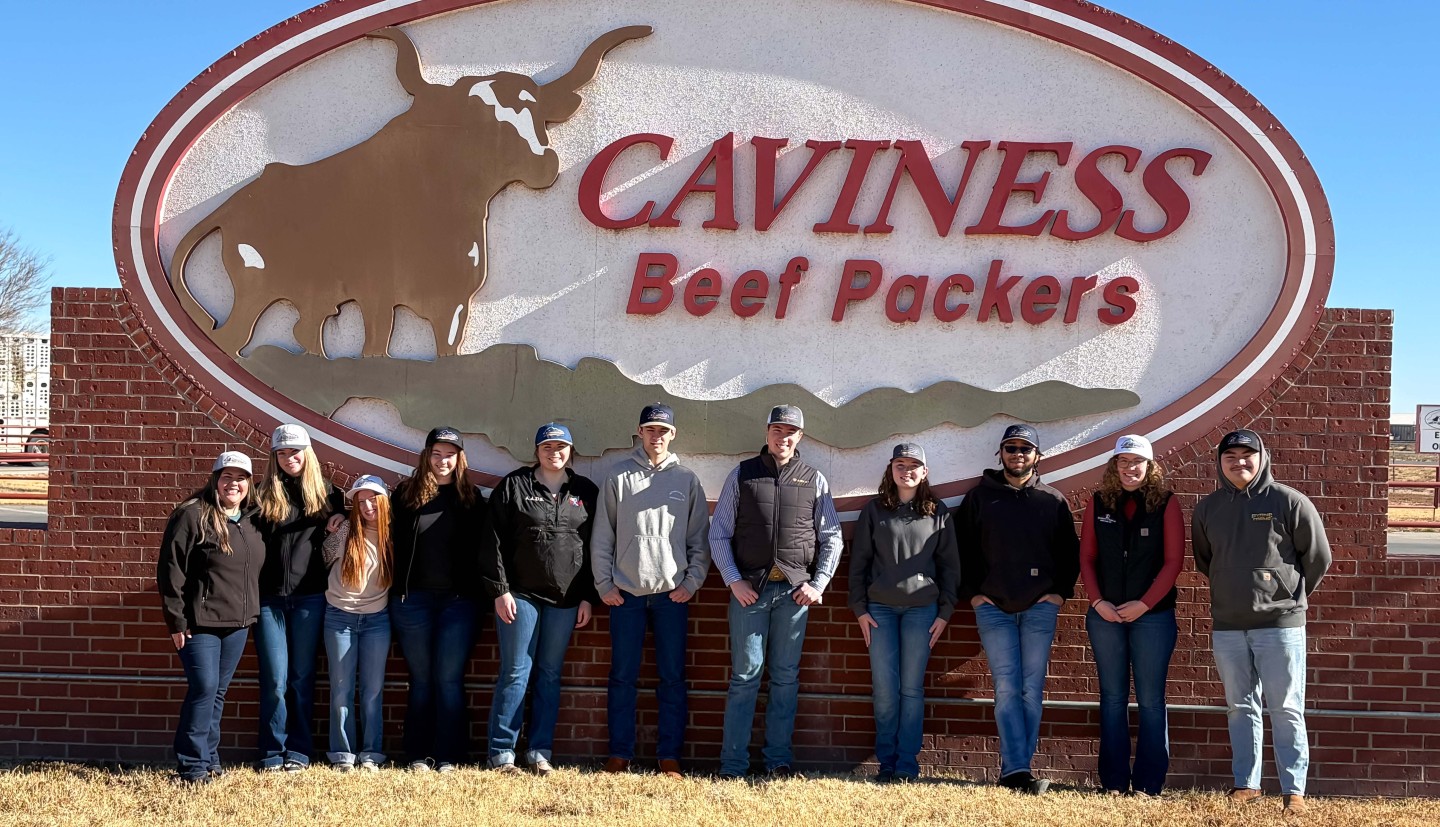
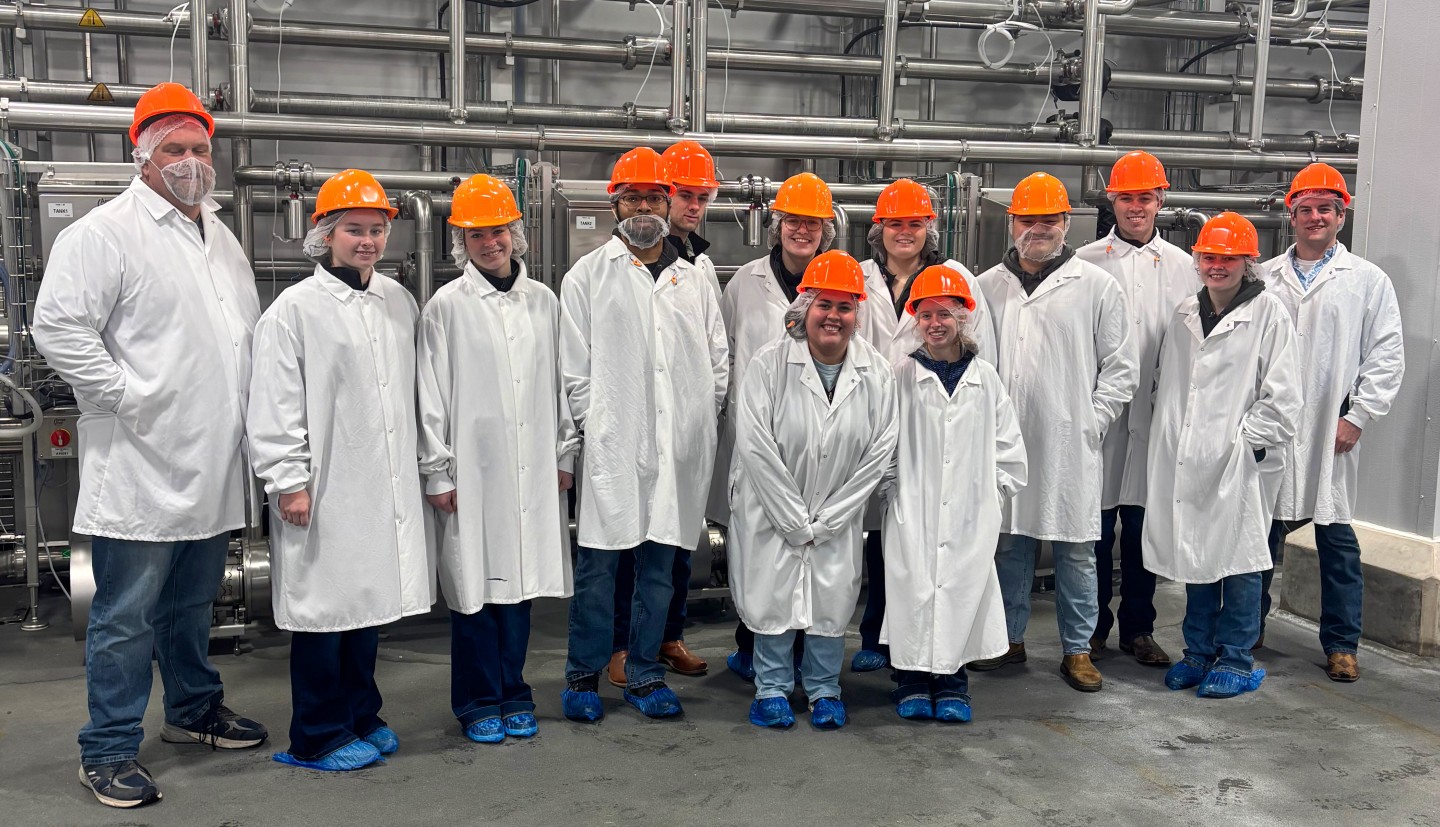
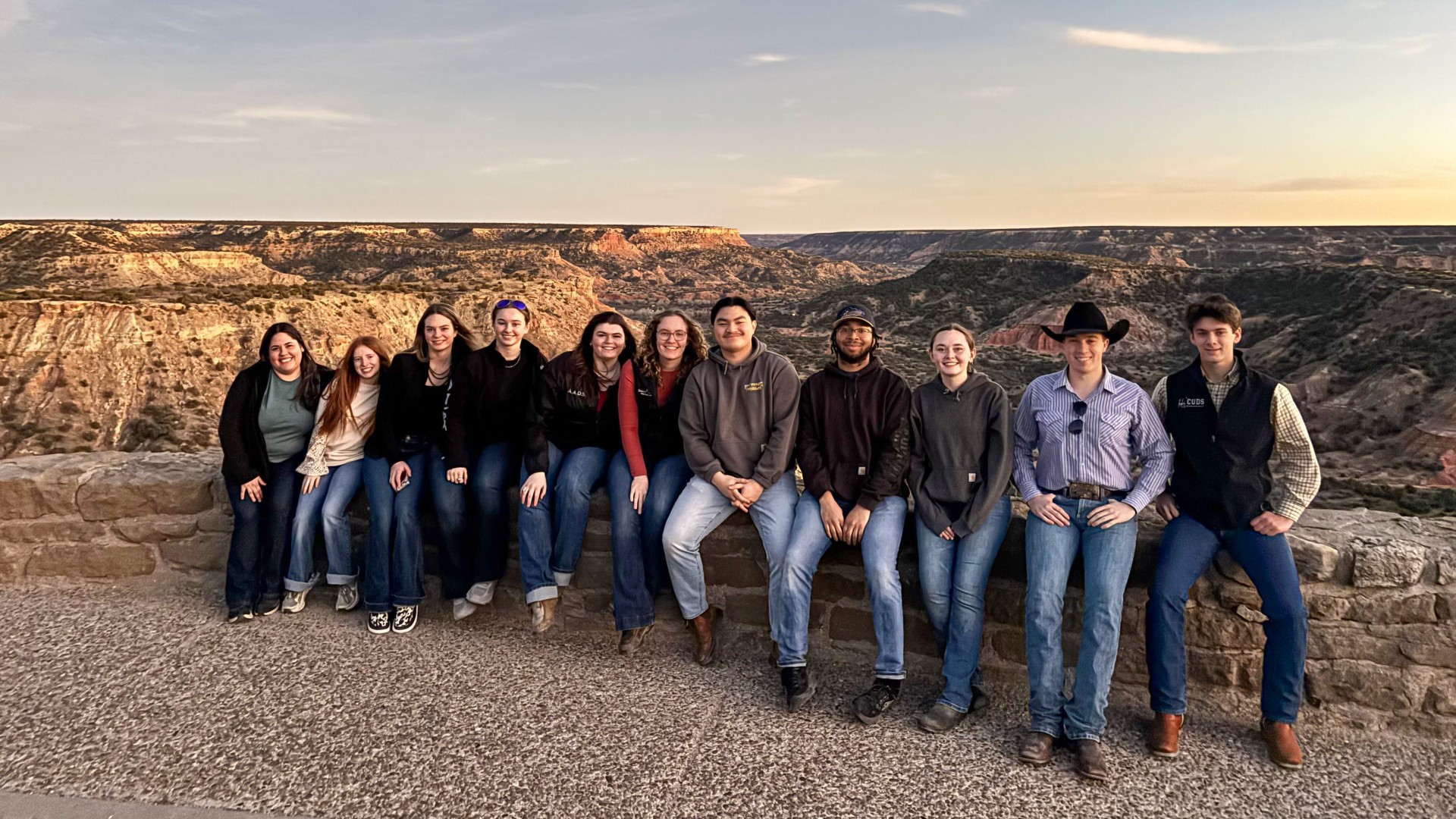
In January, a group of 11 Cornell undergraduates took an immersive trip through Texas to explore the U.S. beef industry. Led by Adam Murray, Cornell PRO-LIVESTOCK beef cattle extension specialist; Jessica Waltemyer, Cornell PRO-LIVESTOCK small ruminant extension specialist; and Brian Aukema, New York State 4-H livestock and companion animal specialist, the trip provided students a practical, real-world context to complement classroom teachings. Student travel costs for the trip were offset by a generous donation from Henry O'Connor '88 and Allison O’Connor. The O'Connors were introduced to the Cornell College of Agriculture and Life Sciences (CALS) while attending educational extension programs led by Waltemeyer to support their own sheep flock, and they continue to strengthen ties with the university through their children in the classes of '25, '28, and '29.
Murray, Waltemyer and Aukema structured the trip so that students could understand how various factors like environmental conditions, feed resources, skilled labor availability and scale of production all interact and weigh into livestock management decisions, Murray explained.
“A trip like this, to the heart of beef cattle country, gives our students a scale of reference and experiences they can’t get anywhere else.”
New York and the greater Northeast have many beneficial traits for beef cattle production, such as temperate summers, consistent annual precipitation and favorable soil types that create abundant and cost-effective forage resources for half the year. However, the other half of the year, New York producers also deal with extreme temperatures of an extended winter, and constant struggles with land prices well above the national average and a tight labor pool that has limited livestock experience.
“New York-raised cattle still feed into the greater U.S. beef system, though, so understanding the subsequent stages of production can help students grasp where profits are realized and lost within the beef cattle industry,” Murray said. “A trip like this, to the heart of beef cattle country, gives our students a scale of reference and experiences they can’t get anywhere else.”