Response
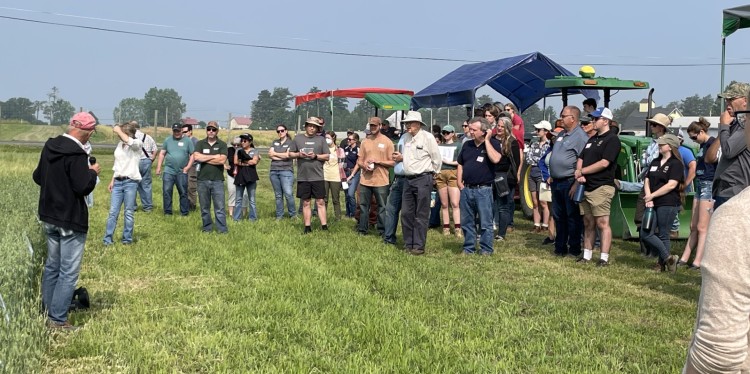
The audience for this project includes the various users of new crop varieties: seed companies, seed growers, farmers, gardeners, chefs, and consumers. This project facilitates the interactions among crop breeders and these various audiences to ensure that newly developed varieties meet critical needs and that seed of these reaches the farmers and gardeners who want to grow them. To achieve that end, the project worked to evaluate varieties and seek user input on them, showcase new varieties at field days and in publications, enable seed increase from the initial handful of breeder’s seed of a new variety to the many pounds/tons needed for use by farmers and gardeners, and provide educational presentations about new varieties and quality seed. Efforts this year reached over 350 people with this type of information.
Results
Farmers and seed companies received data on performance of varieties at relevant, New York locations and based on replicated evaluation plots. Seed growers and seed companies had access to sources of Foundation seed and services allowing them to produce Certified seed of new crop varieties adapted to New York. Farmers and gardeners had access to new varieties of 32 different crop types that were developed and/or evaluated by Cornell breeding programs and shown to be productive and well adapted. All audiences learned about the importance of quality seed for agricultural productivity and sustainability. Project results have been disseminated to communities of interest via publications, presentations, field demonstrations, web sites, and variety trial reports.
Public Value
The Novel Crop Varieties and Quality Seed for New York Growers project aims to enhance public well-being by promoting access to nutritious foods. Through the development of new, productive, and nutritious varieties of 32 different types of crops, including grains, vegetables, and animal feed, the project directly benefits consumers, farmers, and gardeners alike. By supporting Cornell's plant breeders in their efforts to bring these varieties from the research stage to commercial availability, the project ensures that the broader public can enjoy the nutritional benefits of these crops.