In addition to the world-class education it offers, Cornell is a renowned research university, so it should come as no surprise that the most read Cornell Chronicle stories of 2019 dealt with the university’s quest to answer some of science’s most pressing questions.
Research stories about air pollution, engineering and genetics were the Cornell Chronicle’s four most-read stories of the past 12 months, according to Google Analytics.
The most-read story, “Industrial methane emissions are underreported, study finds,” has racked up more than 65,000 page views since it was published June 6. Using a Google Street View car equipped with a high-precision methane sensor, the researchers discovered that methane emissions from ammonia fertilizer plants were 100 times higher than the fertilizer industry’s self-reported estimate, and substantially higher than the Environmental Protection Agency’s estimate for all industrial processes in the U.S.
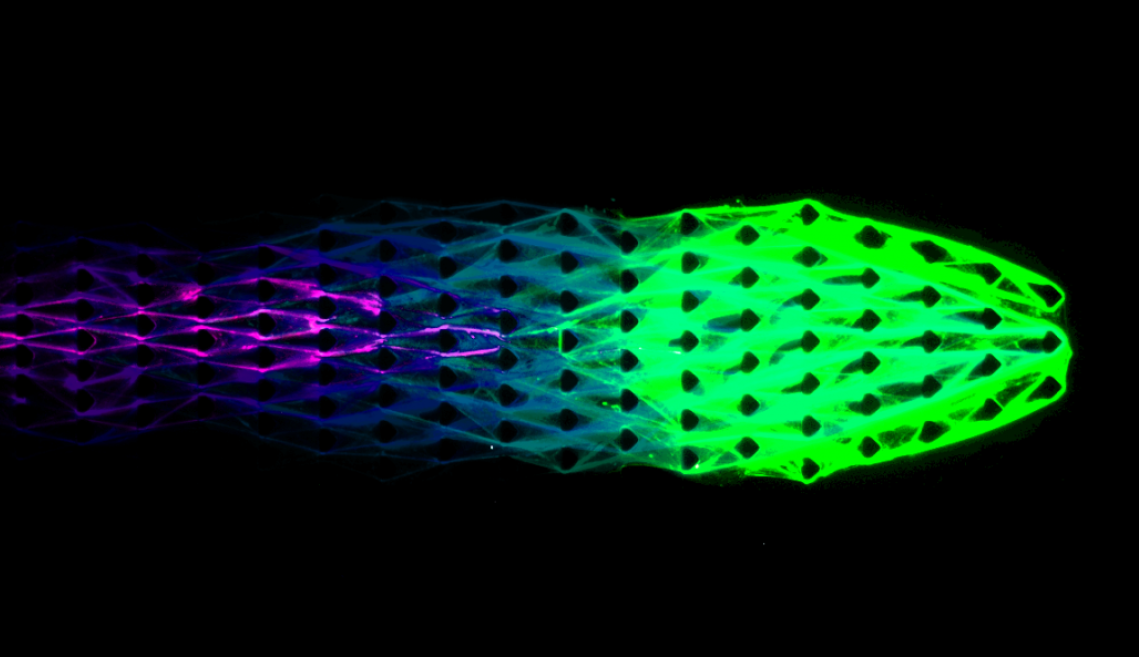
The second most-read Chronicle story, “Engineers create ‘lifelike’ material with artificial metabolism,” garnered more than 50,000 page views. Published April 10, the article reported on how Cornell engineers constructed a DNA-like material with capabilities of metabolism, in addition to self-assembly and organization – three key traits of life.
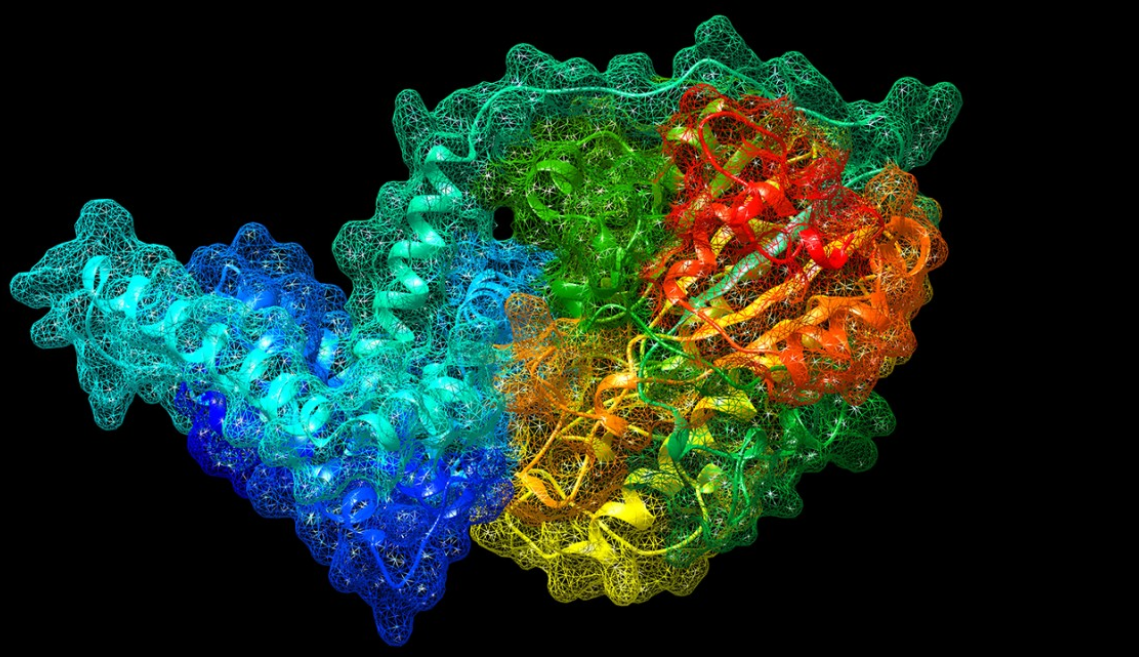
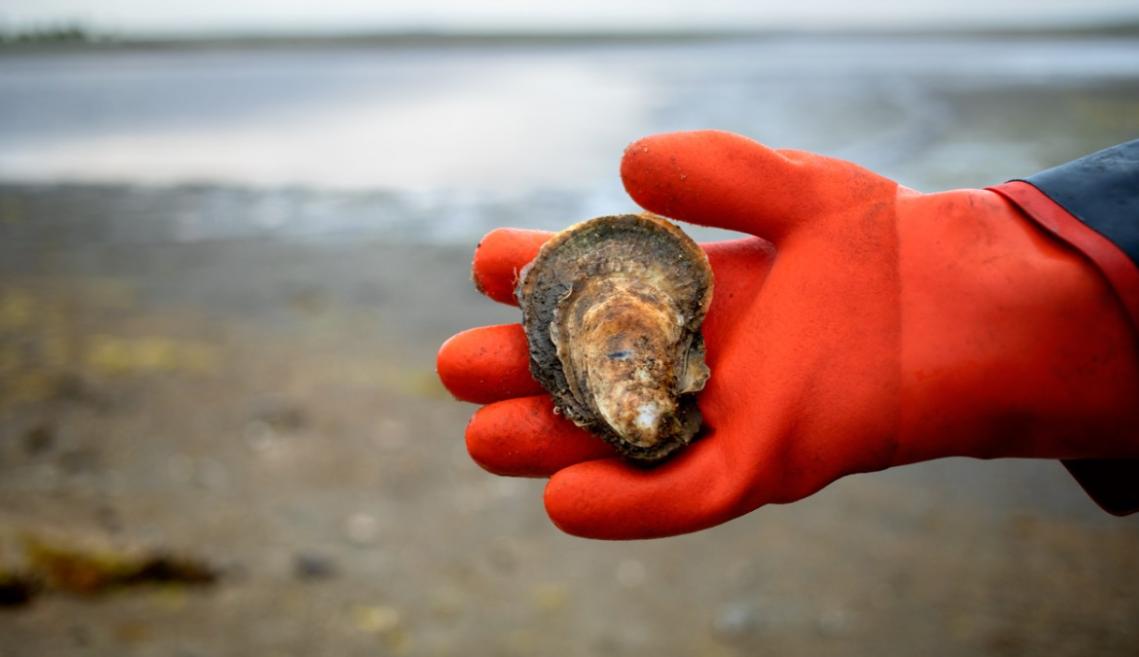
Other well-read cutting-edge research stories: Crispr-cas3 innovation holds promise for disease cures (nearly 41,000 views); and Cornell scientists discover new antibiotic resistance gene (more than 27,000).
The No. 5 Chronicle story in terms of hits, and the top non-research story of the year, came in mid-September with good news for many future doctors: Weill Cornell Medicine announces debt-free medical education, collecting more than 21,000 clicks.